
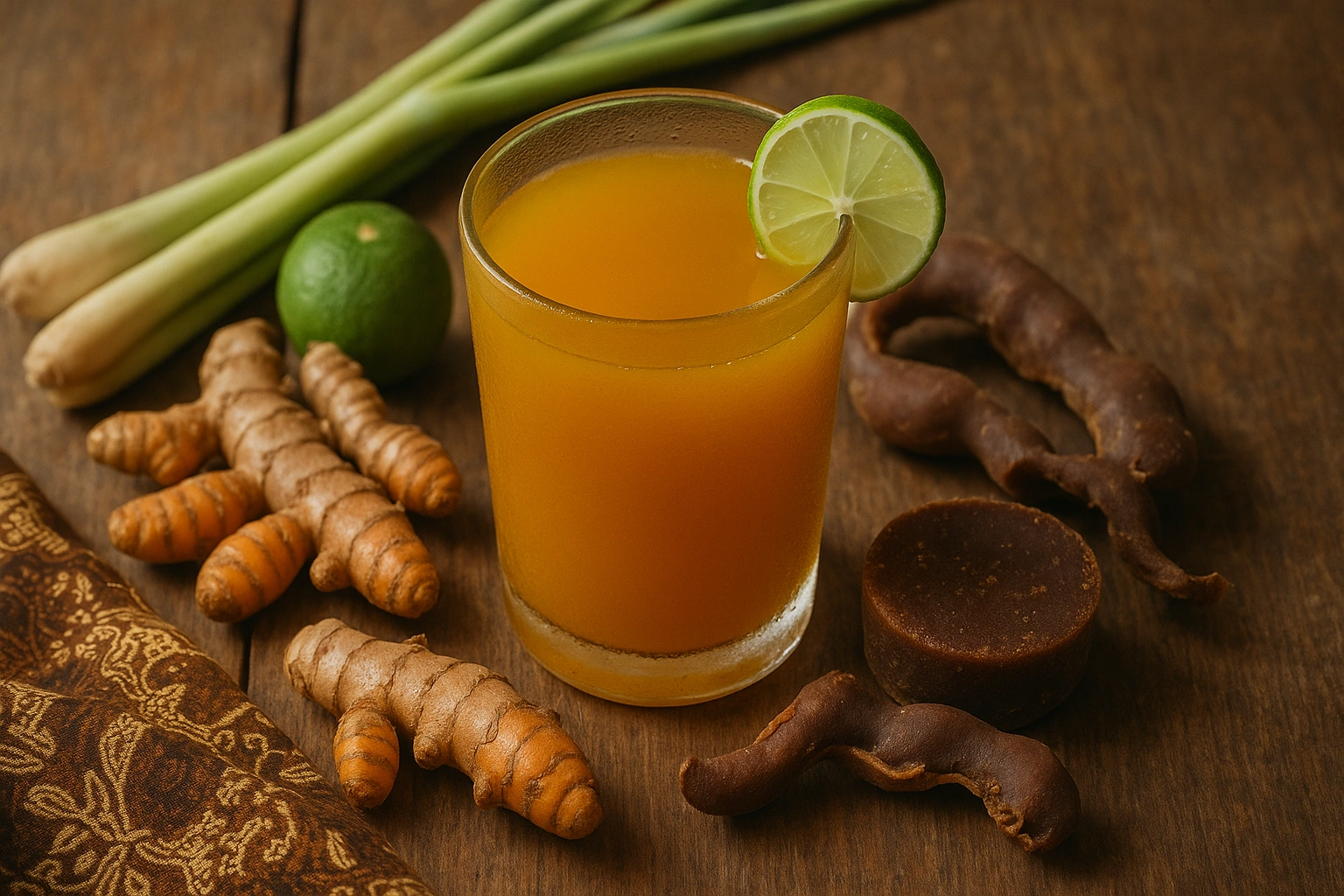
But what exactly is it? Jamu is far more than just a healthy beverage; it’s a living piece of Javanese culture, a philosophy of balance, and a testament to the profound wisdom of traditional herbal medicine. This guide will take you on a deep dive into the world of Jamu, exploring its royal history, its powerful ingredients like **turmeric**, and the simple, timeless recipes that have nurtured the Javanese people for over a millennium.
The Roots of Wellness: A Tradition Forged in Royal Courts
The story of Jamu is over 1,300 years old, with its deepest roots in the royal courts (*kraton*) of the Mataram Kingdom in Central Java. The word itself is believed to derive from the ancient Javanese words *jawa* (referring to Java) and *ngramu* (to mix ingredients). This was not peasant medicine; initially, Jamu was a sophisticated science reserved for kings, queens, and nobles. The palace physicians, known as *abdi dalem bedhaya*, meticulously documented recipes on palm-leaf manuscripts, creating complex tonics to enhance vitality, beauty, and spiritual clarity for the royal family.
Evidence of this ancient practice is literally carved in stone. Reliefs on the magnificent Borobudur Temple, dating back to the 8th century, depict scenes of people grinding herbs and preparing remedies, showcasing a sophisticated understanding of herbalism. This royal **tradition** was eventually democratized, spreading from the palace walls to the villages, where it was adapted and preserved by the common people. This legacy is most famously embodied by the *Mbok Jamu*, the iconic Jamu-selling lady who traditionally carries baskets of bottled remedies on her back, walking through neighborhoods and offering a personalized wellness consultation on the spot. She is not just a vendor; she is a community healer, a tradition keeper, and a living symbol of Javanese wellness.
The core philosophy of Jamu is prevention and balance (*keselarasan*), not just curing ailments. It’s based on a holistic belief that maintaining harmony between the body’s “hot” and “cold” elements is the key to a long, healthy life. This approach means there is a Jamu for almost everything, from improving digestion and enhancing beauty to boosting energy and relieving stress.
The Powerhouse Ingredients: Nature’s Pharmacy
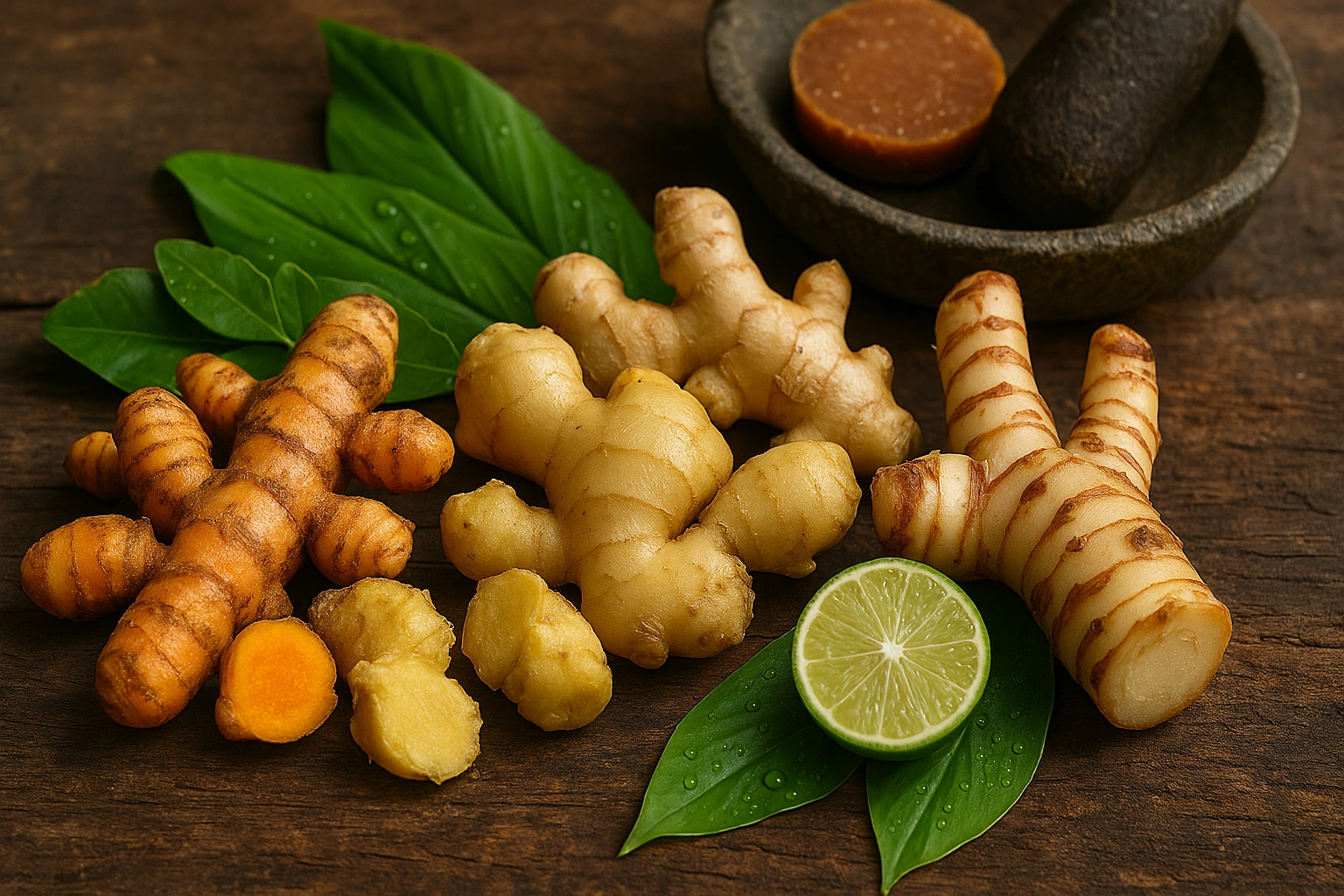
The magic of Jamu lies in its fresh, natural ingredients—a vibrant blend of rhizomes (rootstalks), herbs, spices, and flowers. While recipes vary, a few key players form the foundation of most Jamu **herbal drinks**.
Turmeric (Kunyit)
The undisputed star of the Jamu world. Known for its brilliant golden color, **turmeric** is celebrated for its powerful anti-inflammatory compound, curcumin. Studies from authoritative sources like the U.S. National Center for Complementary and Integrative Health have extensively documented curcumin’s potential health benefits, which align with centuries of traditional use for everything from soothing joint pain to aiding digestion and promoting radiant skin.
Ginger (Jahe)
Prized for its warming, pungent flavor, ginger is a global remedy for nausea and digestive issues. In Jamu, it provides a spicy kick and is believed to boost the immune system, improve circulation, and fight off colds. It’s the “hot” element that brings energy and warmth to the body.
Tamarind (Asam Jawa)
This fruit pulp provides a signature sweet-and-sour tang that balances the earthiness of the roots. Tamarind is rich in antioxidants and is often used in Jamu to aid digestion and cool the body, making it a refreshing “cold” element in the tropical climate.
Galangal (Lengkuas)
Often mistaken for ginger, galangal has a sharper, more peppery, and pine-like flavor. It’s a vital part of the spice blend in many Javanese dishes, including those found in a Rijsttafel. In Jamu, it’s used to treat respiratory issues and soothe stomach ailments.
Kaempferia Galanga (Kencur)
This lesser-known rhizome has a unique camphor-like, aromatic flavor. It’s the star ingredient in Beras Kencur and is traditionally used to increase appetite, relieve fatigue, and reduce muscular pain. It’s considered a potent energizer.
DIY Jamu: A Simple Recipe for Kunyit Asam
Experiencing Jamu is easiest when you make it yourself. Kunyit Asam is the perfect entry point. This recipe is simple, refreshing, and captures the essence of Jamu.
Homemade Kunyit Asam (Turmeric Tamarind Tonic)
Ingredients:
- 200g fresh turmeric, washed and roughly chopped (no need to peel if organic)
- 50g tamarind pulp
- 100g palm sugar (or to taste)
- 1.5 liters of water
- A pinch of salt
- Optional: 1-2 tbsp honey for extra sweetness
Instructions:
- Blend the Turmeric: Combine the chopped turmeric with about 500ml of water in a blender. Blend until smooth.
- Strain the Juice: Pour the mixture through a fine-mesh sieve or a cheesecloth into a pot. Squeeze out all the liquid. Discard the pulp.
- Dissolve Tamarind: In a separate bowl, mix the tamarind pulp with 200ml of warm water. Use your fingers to squeeze the pulp until it dissolves. Strain this liquid into the pot with the turmeric juice, discarding the seeds and fibers.
- Simmer: Add the remaining water, palm sugar, and a pinch of salt to the pot. Bring to a gentle simmer over medium heat, stirring until the sugar is completely dissolved. Do not boil vigorously.
- Cool and Serve: Let it simmer for about 15-20 minutes. Remove from heat and let it cool completely. Taste and add honey if desired. Serve chilled, over ice. It can be stored in the refrigerator for up to a week.
A Jamu for Every Occasion: Four More Classics to Know
1. Beras Kencur (Rice and Kaempferia Galanga)
The Energizing Refresher. With a milky appearance and a unique, slightly sweet, and aromatic flavor, this Jamu is made from rice and kencur.
Primary Benefits: A popular choice for boosting stamina and relieving fatigue. It’s also used to ease muscle aches and increase appetite, making it a favorite for both adults and children.
2. Wedang Jahe (Ginger Drink)
The Warming Soother. Perhaps the simplest Jamu, this is a warm, comforting brew of ginger, often sweetened with palm sugar and spiced with lemongrass or pandan leaves.
Primary Benefits: The ultimate remedy for a sore throat, a cold, or indigestion. It warms the body from the inside out, making it perfect for a rainy day or a cool evening.
3. Pahitan (The Bitter Tonic)
The Cleansing Purifier. Not for the faint of heart, this Jamu lives up to its name (*pahit* means bitter). It’s made from bitter herbs like sambiloto.
Primary Benefits: Considered a powerful detoxifier. It’s used for cleansing the blood, reducing blood sugar, and treating issues like body odor and acne. It’s often taken as a potent “health shot.”
4. Galian Singset (The Slimming Tonic)
The Beauty Secret. A traditional blend specifically for feminine health and beauty, often containing turmeric, tamarind, and other herbs like betel leaf.
Primary Benefits: Believed to help maintain a slender figure, tighten muscles, and promote overall feminine vitality and radiance. It’s a classic beauty Jamu.
Jamu in the 21st Century: An Ancient Tradition Goes Global
The Jamu tradition, recently recognized by UNESCO as an Intangible Cultural Heritage, is experiencing a remarkable global renaissance. Today, you don’t need to visit a Javanese village to experience its benefits. Jamu is being served in hip cafes, sold in modern packaging at health food stores, and even featured as a base for innovative cocktails at upscale bars. This modern revival respects the ancient recipes while making them accessible to a new generation worldwide.
This ancient practice of **herbal drinks** is a beautiful reminder that nature often holds the key to our well-being. It’s a tradition rooted in a deep understanding of the earth and the body, offering a holistic path to health that feels more relevant than ever. Whether you’re seeking a natural energy boost, an immune system supporter, or simply a delicious connection to a rich culture, there is a Jamu waiting for you.
Frequently Asked Questions
What does Jamu taste like?
The taste varies greatly by recipe. Kunyit Asam is refreshingly sweet and sour with an earthy turmeric undertone. Beras Kencur is creamy and aromatic. Pahitan is intensely bitter, as the name suggests. Generally, expect earthy, spicy, and natural flavors rather than overly sweet ones.
Is it safe to drink Jamu every day?
For most people, drinking mild Jamu like Kunyit Asam or Beras Kencur in moderation is considered safe and beneficial. However, potent blends like Pahitan should be consumed less frequently. As with any herbal supplement, it’s wise to listen to your body and consult a health professional if you have underlying conditions or are pregnant.
Can I use powdered spices instead of fresh roots?
You can, but the flavor and potency will be significantly different. The essence of Jamu lies in its fresh, raw ingredients. Using fresh turmeric and ginger will give you a much more vibrant and effective drink. Powdered spices are a last resort.