
The Sacred Power of Gunung Tidar
From “Tidar” to “Tida Mudhar”: The Calming Origin of a Name
The name Tidar is often linked to the old Javanese expression, “Tida mudhar,” which means “that which does not bring harm or disaster.” This meaning reflects Tidar’s position as a place that absorbs and neutralizes negative forces. The Javanese believe that a volatile land needs a neutralizer, and this mountain is the answer.
Another version suggests that “Tidar” comes from the word “tidur” (to sleep), because the unseen beings who once wreaked havoc upon Java were put to sleep (subdued) beneath its soil by the spiritual power of the ancestors. They were not destroyed, but forcibly “put to rest” through incantations and sacred diagrams (rajah) planted by holy figures.
A Symbol of Javanese Cosmology
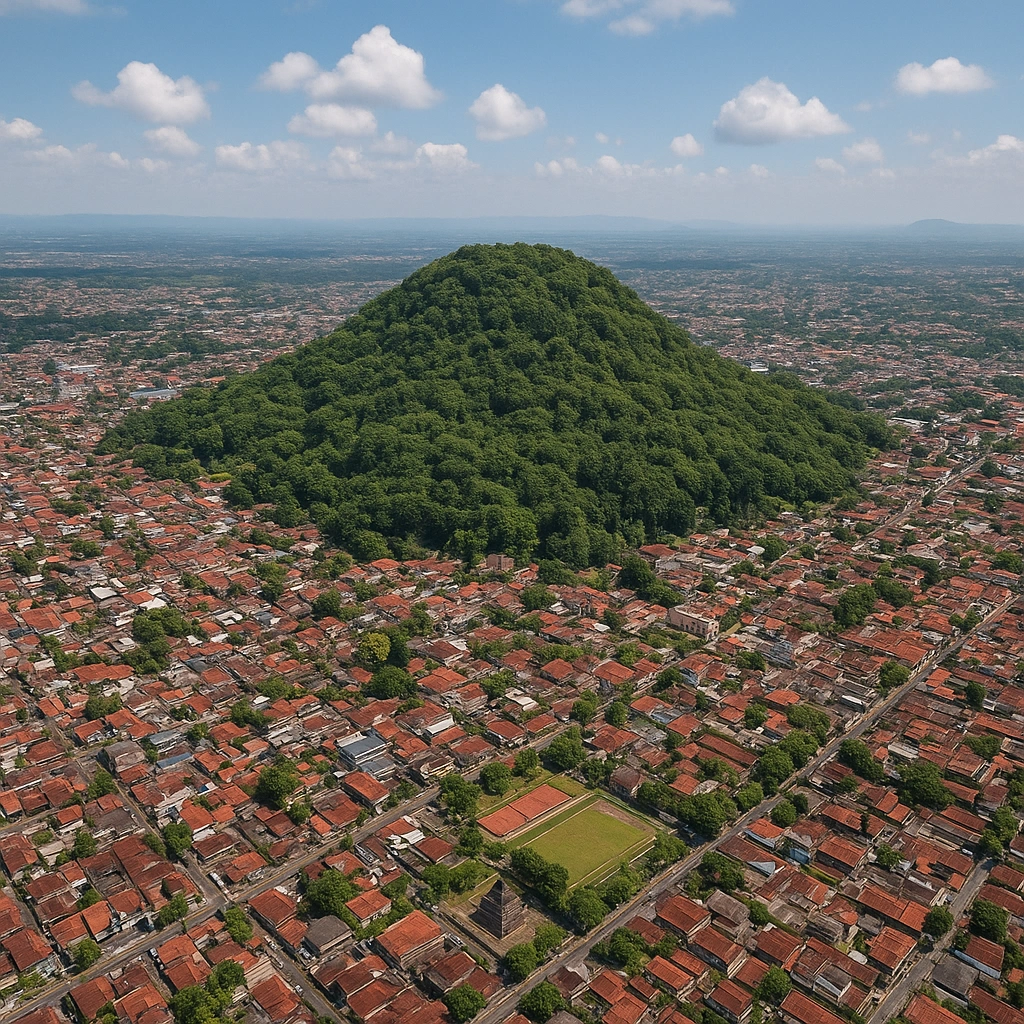
Geographically, Gunung Tidar is situated at a point nearly symmetrical between the north and south of Java, making it a symbol of balance. In Javanese cosmology, such a position is considered a “cakra manggilingan,” a spinning wheel of spiritual energy that connects three realms:
- The upper realm (the heavens)
- The middle realm (humanity)
- The lower realm (unseen beings)
This is why a place like Gunung Tidar is so revered: it is considered both a gateway and an anchor at the same time.
Syekh Subakir and the Unseen Battle at Tidar’s Peak
“I come not with a sword, but with sacred diagrams and incantations from the Middle East. Not to conquer men, but to subdue the unseen spirits.”
Such, it is said, was the intention of Syekh Subakir when he first set foot on the Land of Java.
Who was Syekh Subakir?
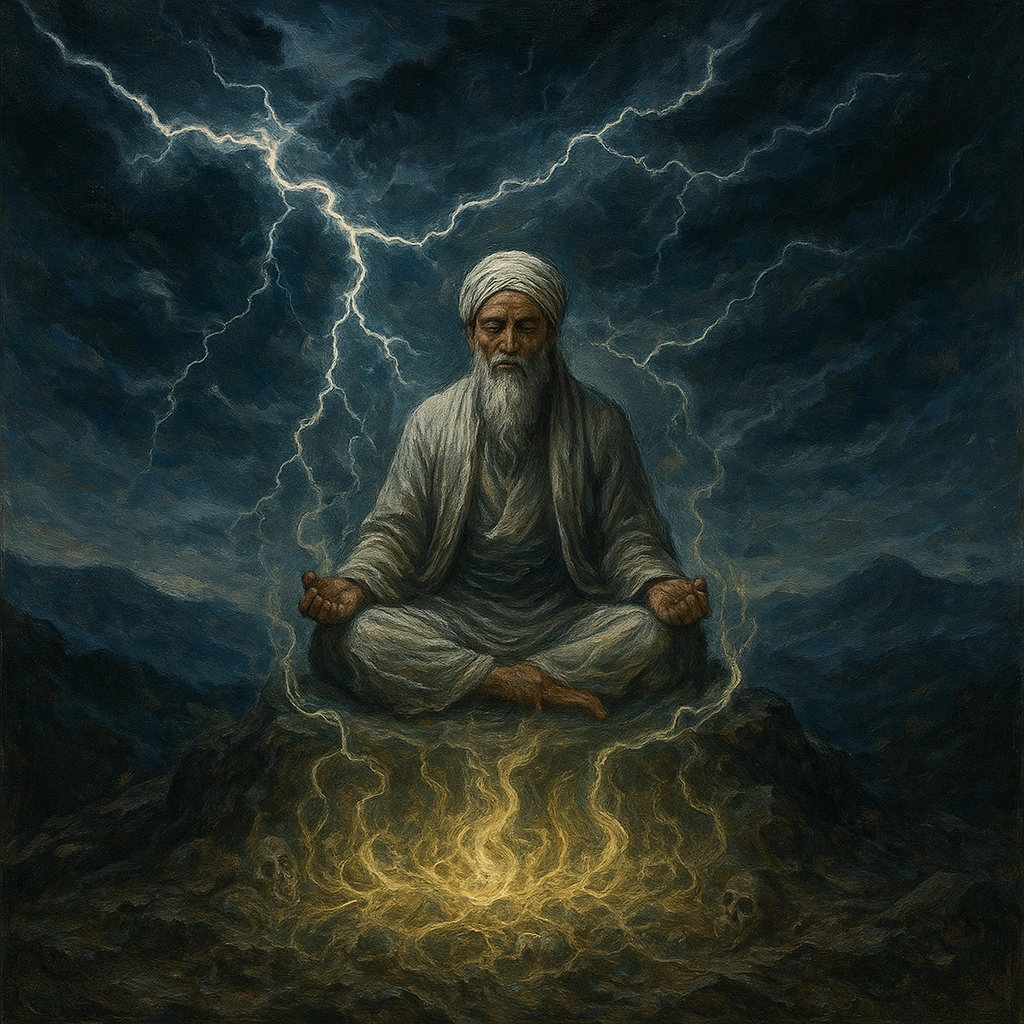
Syekh Subakir was a Sufi master believed to have come from Persia. In many chronicles (babad) and folk tales, he is known as an emissary who came before the great wave of Islam reached Java. His task was not to preach to humans, but to tame the energies and unseen beings that held dominion over the land.
The War Against the Spirits
According to oral traditions, the Land of Java was once inhabited by various unseen beings. Syekh Subakir arrived with the Ajian Kalacakra, a power to bind energy. He drew a great rajah on the ground of Tidar and recited verses for 40 consecutive nights. On the final night, a storm of lightning and thunder erupted from beneath the earth. The spirits were defeated and sealed within the belly of the earth.
Collaboration with Kyai Semar
In another version, Syekh Subakir did not act alone. He collaborated with the spiritual guardian of Java: Kyai Semar. It is said that Kyai Semar anchored the energy from within the earth, while Subakir anchored the energy from the heavens. This collaboration is seen as a symbol of the synergy between Java’s indigenous culture and the Islam that followed—not a clash, but a union.
Asceticism, Pilgrimage, and Ancestral Rites on Gunung Tidar
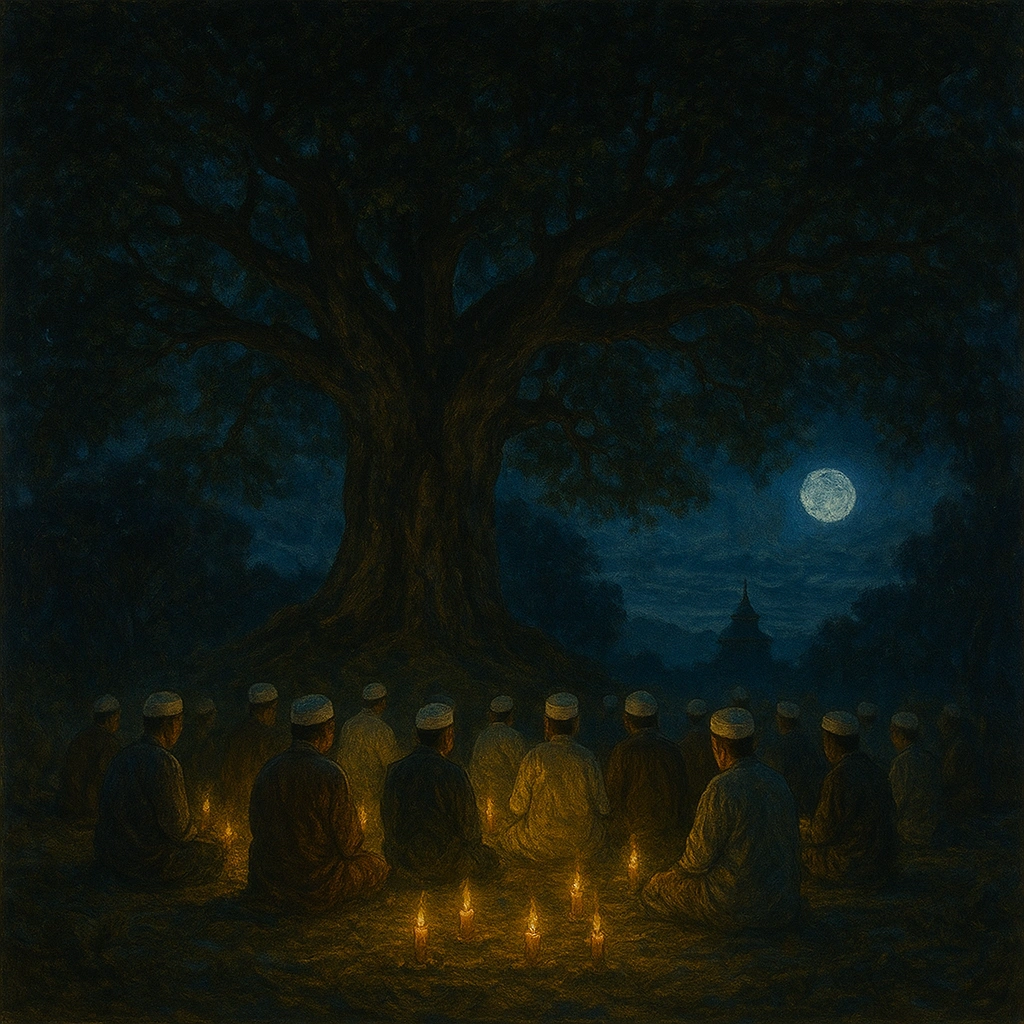
To outsiders, Gunung Tidar may be just a tourist spot. But for those who understand, every footstep on its soil is a mantra, every tree holds a spiritual practice, and every stone contains wisdom.
The Sacred Night of Jumat Kliwon
The night of Jumat Kliwon (a specific combination of the five-day Javanese week and the seven-day week) is sacred in Javanese spiritual culture, and Gunung Tidar is a point of heightened spiritual vibration. Many come not just to pray, but to “download feeling” (mengunduh rasa)—to align their inner selves with the energy of the cosmos.
Unseen Prohibitions on Gunung Tidar
Like other sacred places, Gunung Tidar has unwritten rules:
- Do not whistle near the peak, as it is believed to awaken sleeping spirits.
- Do not be arrogant or challenge the energy of the place.
- Do not speak profanities, for the land absorbs and reflects verbal energy.
- Do not take anything—leaves, stones, or soil—as a souvenir.
The Nail of the Land, The Anchor of the Soul
This mountain is small, but its heart is deep. It does not erupt, it shows no arrogance, yet it holds the anchoring power that binds the earth while calming the soul. Gunung Tidar is not only a stabilizer of the land but also a symbol of how a person can “nail down their own inner self” so as not to be swayed by worldly temptations.
In a world full of noise, perhaps Gunung Tidar is not a place to find answers… but a place to be silent and hear the real questions.
Frequently Asked Questions
Where is Gunung Tidar located?
Gunung Tidar is located in the heart of Magelang City, Central Java, Indonesia. Its strategic location makes it a symbol of spiritual balance in the Land of Java.
What does “Unseen Nail of Java” mean?
“Unseen Nail of Java” (Paku Gaib Tanah Jawa) is the mystical name for Gunung Tidar. According to legend, the mountain functions as a balancing “nail” driven by ancestors to keep the island of Java stable, both physically and spiritually.
Who was Syekh Subakir and what was his role on Gunung Tidar?
Syekh Subakir was a Sufi cleric from Persia sent to Java before the era of the Wali Songo. According to legend, his task was to “cleanse” Java of the negative energy of unseen beings. At the peak of Gunung Tidar, he planted an “unseen nail” in the form of a sacred diagram to subdue the spirits ruling the land.