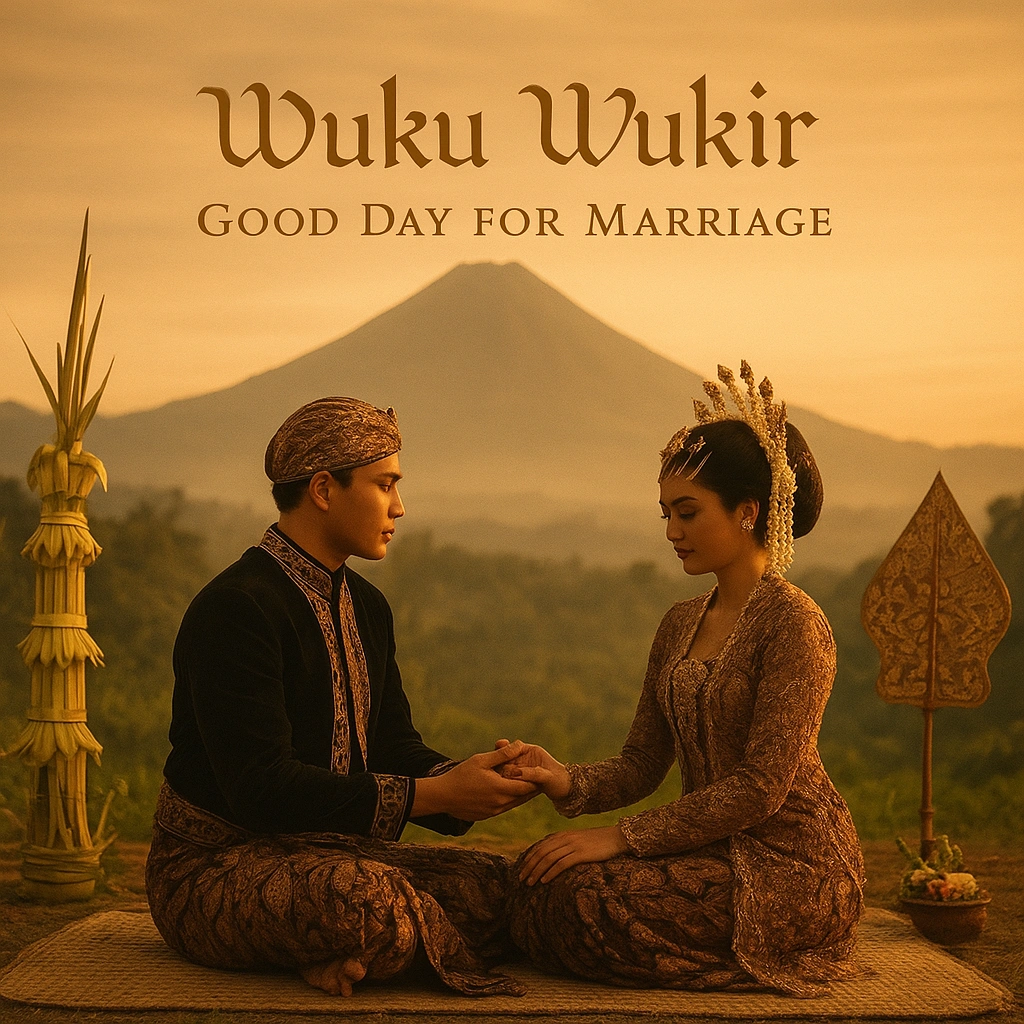
Wuku Wukir
The Meditative Strength of the Mountain
Bethara Mahayekti: The Guardian of the Peak of Serenity
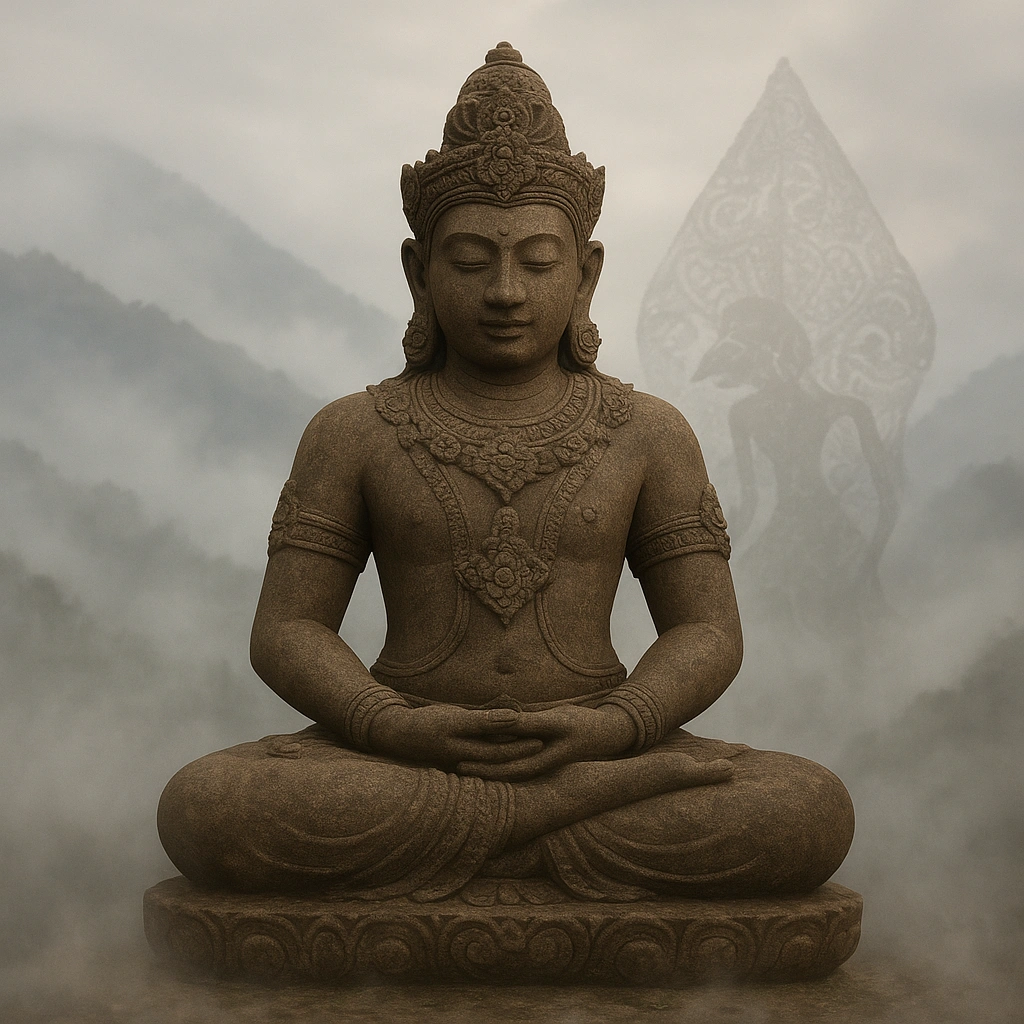
Each wuku is sheltered by a unique divine energy, or Betara. Wuku Wukir is under the protection of Bethara Mahayekti, which literally means “The Great Reality.” He is the Divine Guardian of the Mountain, an archetype of meditative power, passive yet absolute. His energy is not explosive but one of pure stability, infinite patience, and immense latent power.
This is the vibration that shapes the core character of Wukir individuals. They are endowed with an extraordinary strength of conviction. Their calmness is often mistaken for passivity, but it is a sign of immense inner strength. They are “old souls,” whose demeanor is wiser than their years, making them natural pillars of support for others.
A Thorough Analysis of the Wukir Birth Character
For Wuku Wukir, the symbols consistently deepen the “mountain” metaphor that is its essence, revealing various facets of this steadfast character.
Pohon Nagasari: Authority in Silence
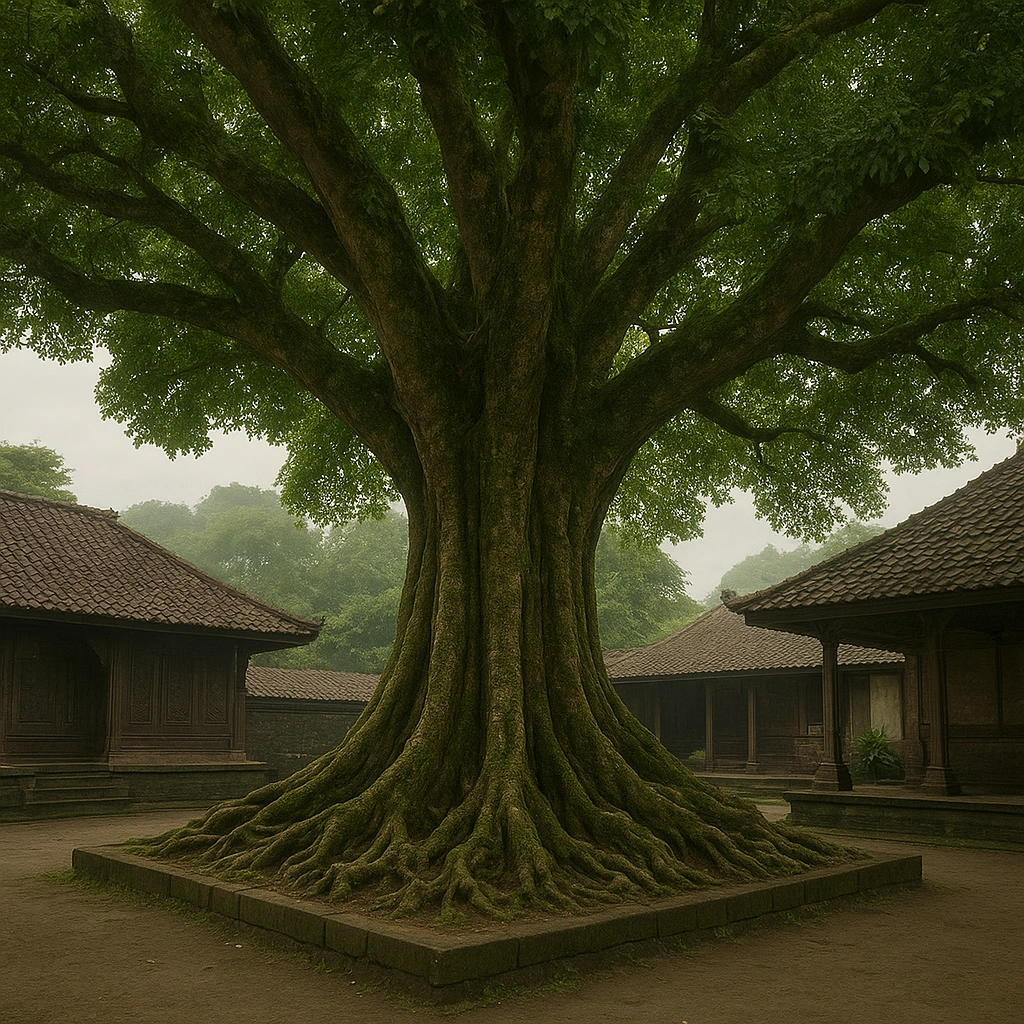
The Nagasari tree is considered sacred in Javanese tradition, possessing a natural authority. Wukir individuals have a natural charisma; their calm presence and serene demeanor are enough to command respect and provide a sense of security to those around them.
Burung Manyar (The Weaver Bird): The Meticulous Builder
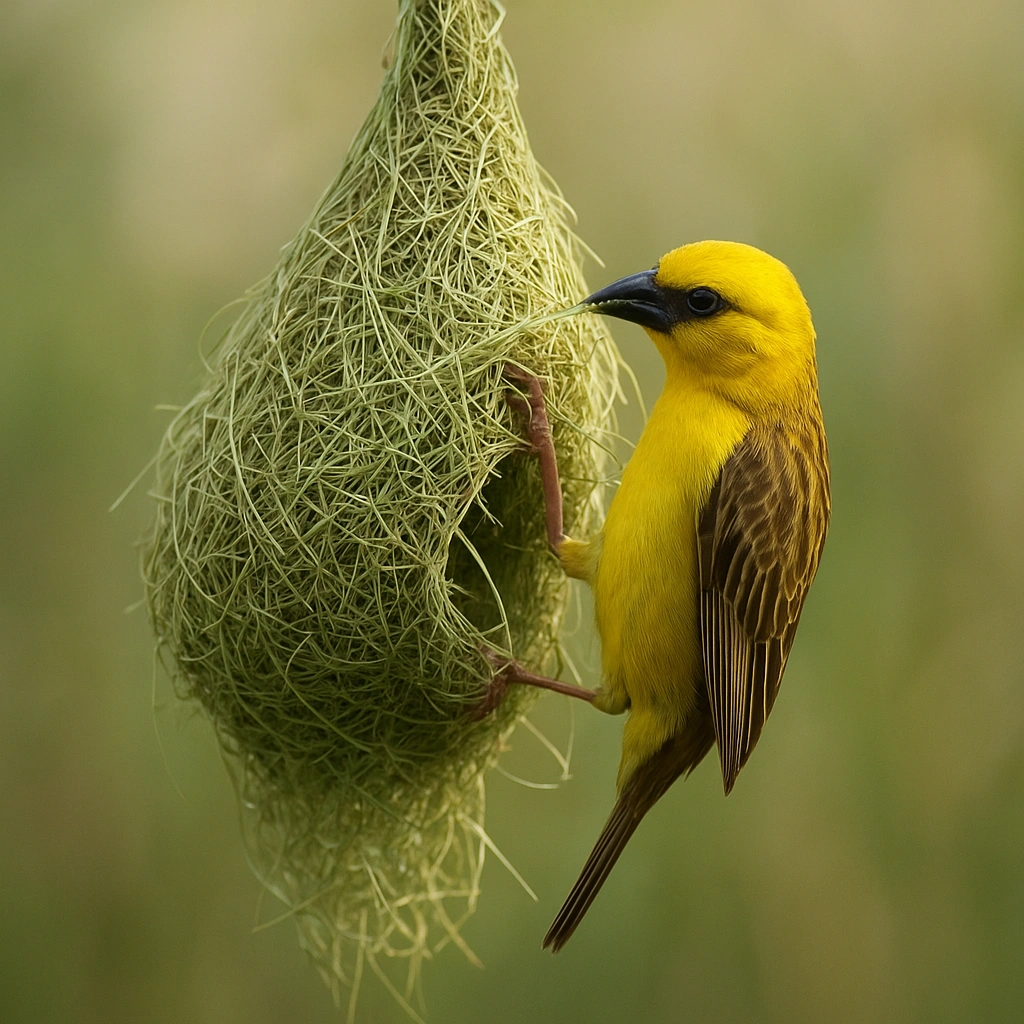
Behind their stoic exterior lies the soul of a meticulous and patient architect, like the Weaver Bird. Wukir people are master planners, building their lives brick by brick with patience and calculation. They believe in sound processes to achieve solid, lasting results.
Gedhong di Depan (Granary in Front): Open Goodness
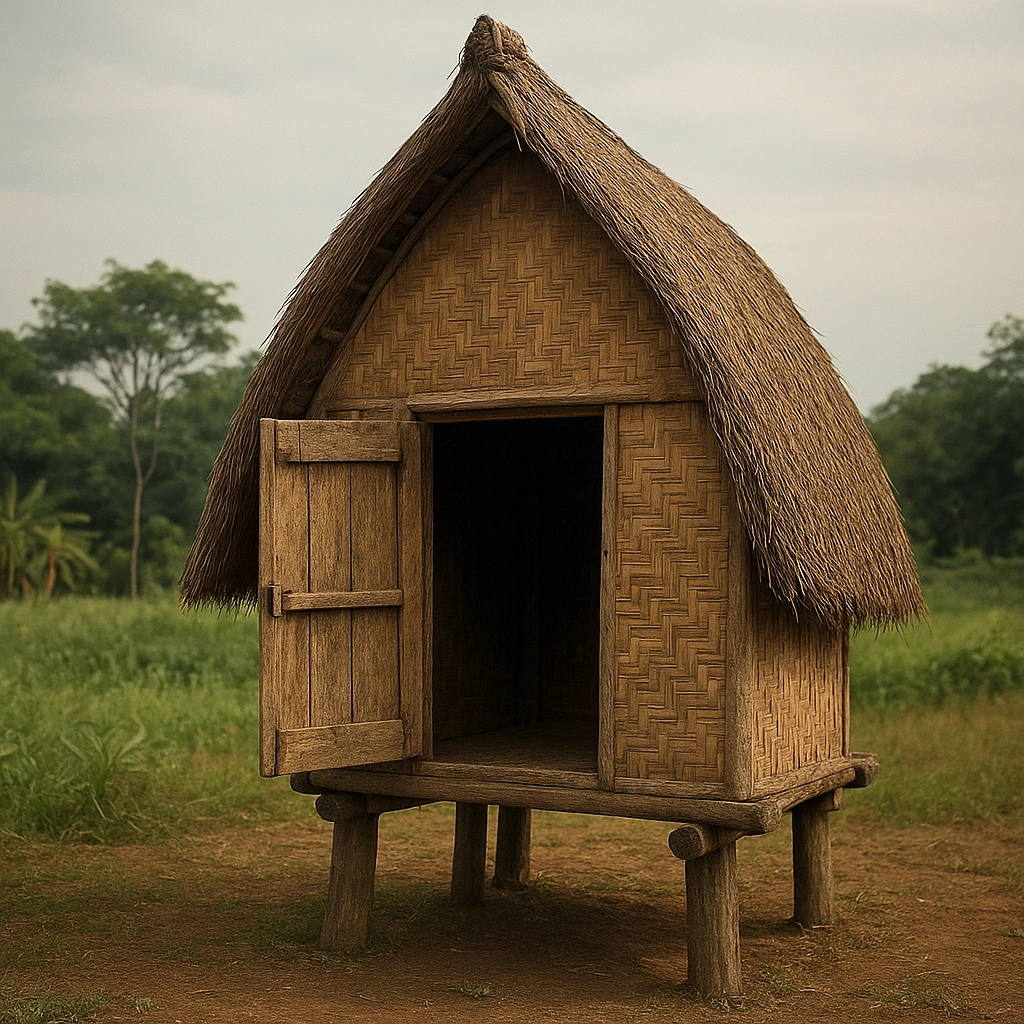
As with the previous wuku, the open granary indicates a fundamentally positive character. It symbolizes a good and honest heart. Though their thoughts may be deep, their intentions are often straightforward, reinforcing their image as a trustworthy protector.
Wukir Asri Saka Kadohan: Charm and a Warning
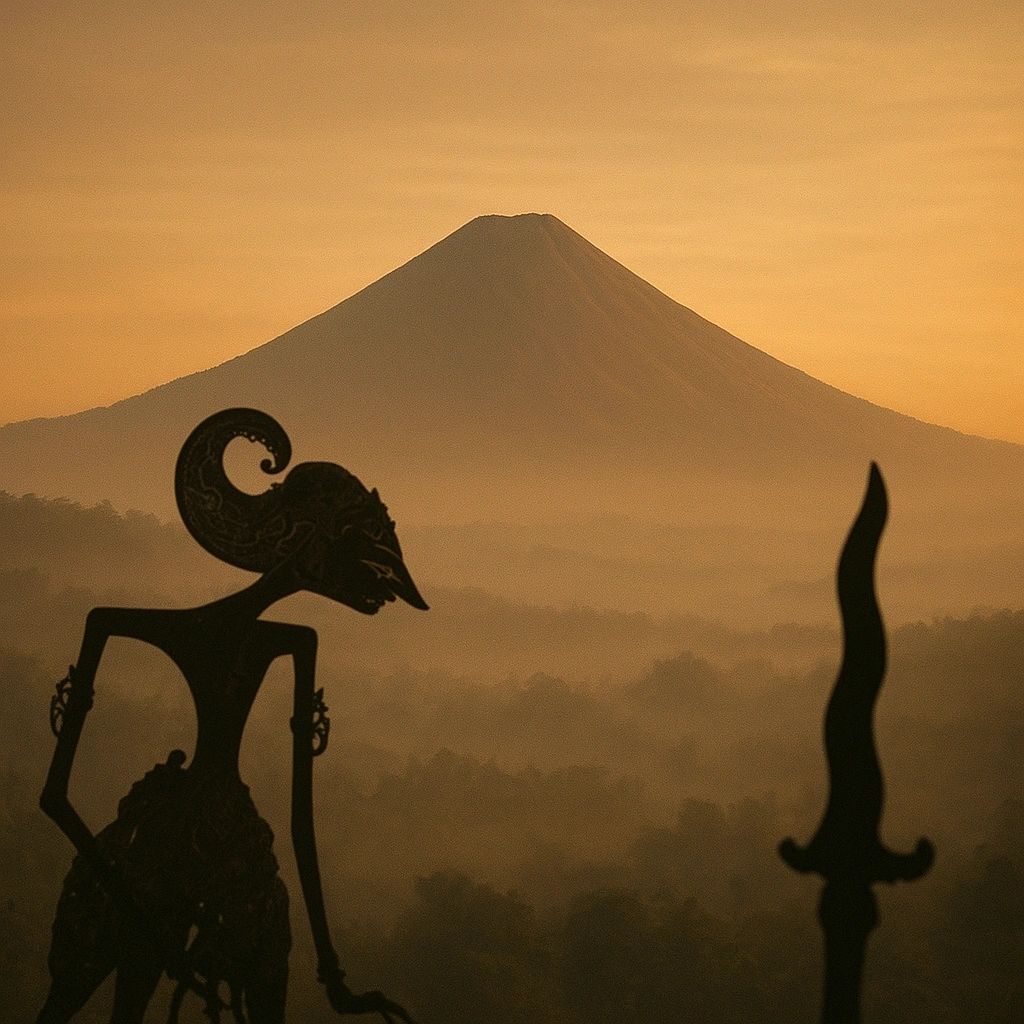
This phrase means “the mountain is beautiful (only) from a distance.” A Wukir person’s strength and wisdom are enchanting. However, approaching their personal “territory” without respect may reveal another side: their strong principles can become stubbornness, and their calmness an impenetrable emotional wall. If their patience is repeatedly violated, the calm “mountain” can “erupt” with surprising and powerful suppressed anger.
Auspicious Day for Marriage: Why Wukir Differs from Landep
The answer lies in the fundamental difference in their energies.
While Landep’s energy is “sharp” and “separating,” Wukir’s energy is that of a “foundation”—stable, nurturing, and supportive.
A mountain is the symbol of the earth’s most solid and eternal foundation.Therefore, our ancestors believed that starting a marriage under the auspices of Wukir’s energy is like building a house on the strongest stone foundation.
It supports the creation of stability, steadfastness, patience, and long-term protection in a relationship,
promising a union as solid and majestic as a mountain.
Obstacles, Charity, and Life Guidance for Wukir
Aral (Obstacle): The Threat of Slander and Injustice
The greatest potential obstacle for Wukir people is social. Because of their quiet, hardworking nature, they are vulnerable to provoking envy, which can manifest as gossip and slander. Their life’s challenge is to remain as steadfast as a mountain against the winds of slander and trust in their own truth.
Spiritual Practice for Inner Strength
The recommended spiritual practice (laku) to fortify against this obstacle is a charity of specific foods, including savory rice (nasi uduk) and a white chicken, symbolizing a pure heart and sincere intention. The accompanying prayer is a special plea for the strength and fortitude to face all forms of injustice.
Weton in the Wuku Wukir Cycle
The weton will add specific color to the steadfast Wukir character. Here is the 7-day cycle within Wuku Wukir:
Minggu Legi
Senin Pahing
Selasa Pon
Rabu Wage
Kamis Kliwon
Jumat Legi
Sabtu Pahing
FAQ About Wuku Wukir
Q: What is the meaning of Wuku Wukir in Javanese astrology?
A: Wuku Wukir is the third cycle in the Javanese pawukon calendar. It represents mountain energy—calm, stable, strong, and protective—under the guidance of Bethara Mahayekti.
Q: Why is Wuku Wukir considered auspicious for marriage?
A: Unlike the sharp and separating energy of Wuku Landep, Wuku Wukir embodies stability, patience, and steadfastness. It is believed to provide a strong foundation for a harmonious and lasting marriage.
Q: What are the main symbols of Wuku Wukir?
A: The key symbols are Pohon Nagasari (authority in silence), Burung Manyar (patience and meticulous building), Gedhong di Depan (open goodness), and the proverb Wukir Asri Saka Kadohan (beauty from a distance).
Q: What is the main obstacle for Wuku Wukir individuals?
A: The greatest obstacle is slander and injustice, as their calm and hardworking nature can invite envy from others.
Q: What spiritual practice is recommended for Wuku Wukir?
A: Charity with foods such as savory rice (nasi uduk) and a white chicken, combined with prayer, is believed to strengthen purity of heart and resilience against injustice.
Conclusion: The Foundation of a Solid Life
Wuku Wukir is a profound lesson in quiet strength, sincere reliability, and the importance of having a solid foundation in life. To understand the Wukir character is to understand that behind a quiet and sometimes rigid exterior can lie immense power, patience, and protection.