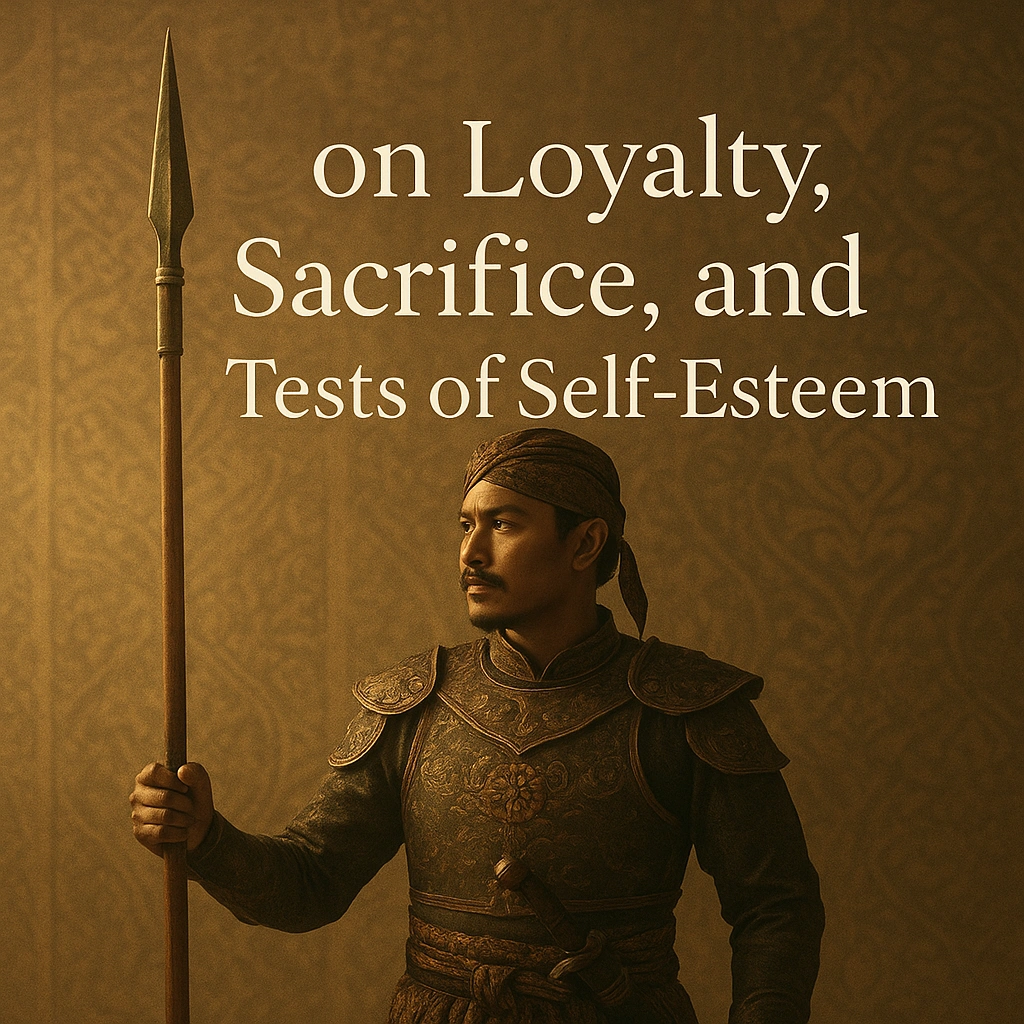
Wuku Prangbakat: The Energy of Loyalty and Sacrifice of the Knight
Angger, anakku (My child)…
In our journey tracing the 30 “climates of the soul” within the great pawukon jawa (the traditional Javanese calendar system, a 210-day cycle), we arrive at the twenty-fourth gateway. This is a realm guarded by the most noble, steadfast, and demanding energy of sacrifice: Wuku Prangbakat. This wuku (seven-day period) is under the protection of Bethara Bisma (a revered character in the Mahabharata epic, known for his unwavering vows, wisdom, and strength), the archetype of the foremost knight in the Mahabharata epic.
The energy of this wuku is one of mental strength, steadfastness of heart, boundless loyalty, and courage founded on sacred vows. However, beneath all that nobility, lies an aral (hindrance or obstacle) of “Climbing,” a symbol of difficulty in reaching the peak of one’s goals. This is a comprehensive wejangan (Javanese advice or spiritual teaching) on the essence of Wuku Prangbakat and how it influences one’s birth nature according to primbon jawa (Javanese divination manual or book of ancient wisdom, often used for interpreting omens and determining auspicious times).
Embracing Bethara Bisma, The Knight Guardian of Oaths
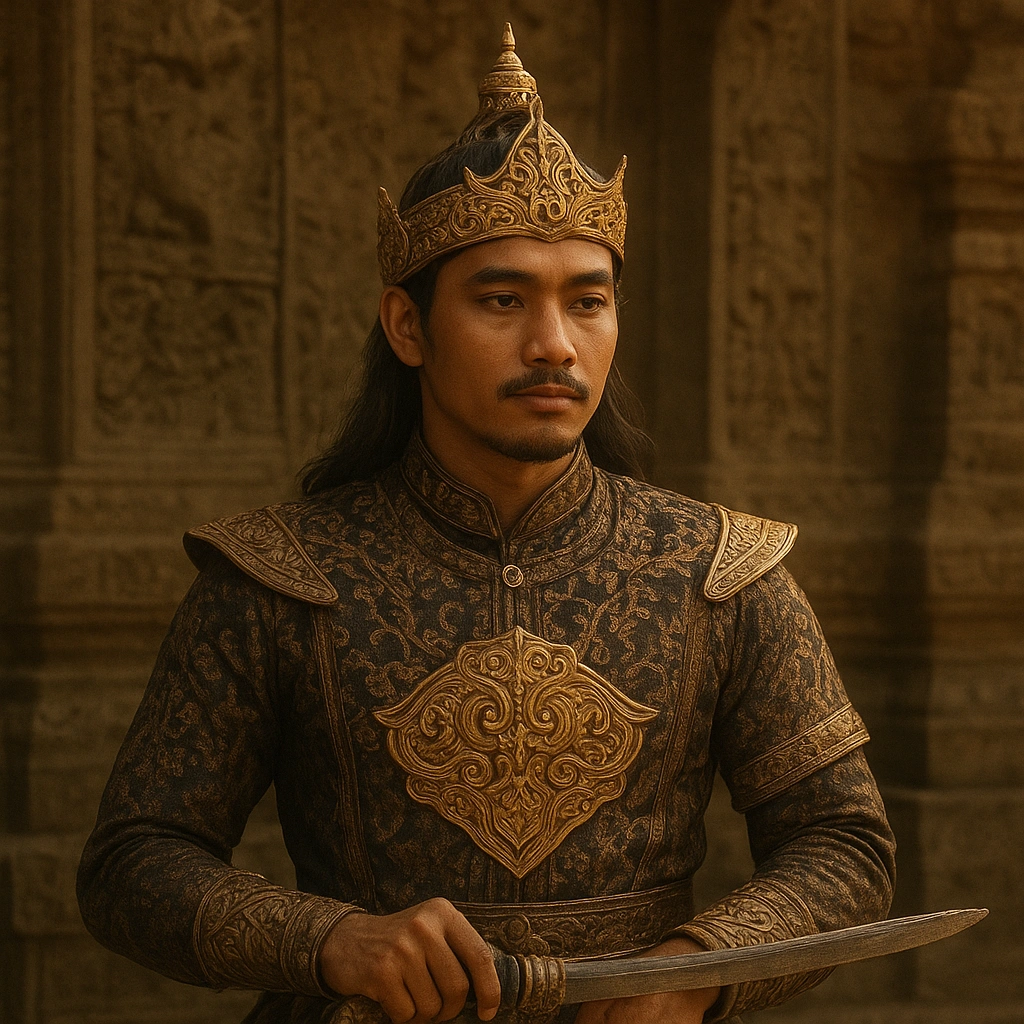
To truly grasp the spirit of Wuku Prangbakat, we must understand its guiding deity. Bethara Bisma is a highly revered figure. He symbolizes mental strength and steadfastness of heart that is not easily swayed by trials. Known as a symbol of courage and loyalty, he is seen as a protector for those who are obedient and faithful.
In Javanese mythology, Bethara Bisma is a powerful figure, capable of facing challenges and overcoming all obstacles. This very energy flows into those born under Prangbakat: they are blessed with steadfastness, loyalty, and the strength to protect what they believe is right, regardless of the risks.
Unveiling the Character of Those Born in Wuku Prangbakat
The ancient wuku and wewaran (Javanese calendrical calculations) systems paint a vivid portrait of the Prangbakat individual through four complex primary symbols:
Pohon Tirisan: Prosperity Accompanied by Arrogance
The Pohon Tirisan (Tirisan Tree, symbolizing longevity and assured sustenance) is a symbol of long life and guaranteed sustenance. However, behind it lies a warning: the trait of arrogance. This does not mean they are blindly arrogant, but rather they possess a very high pride in their principles and abilities, which can make it difficult for them to accept other viewpoints.
Burung Urang-urangan: Skill Accompanied by Heart’s Fragility
This Burung Urang-urangan (a type of bird known for its distinct call and sensitivity) symbolizes proficiency and skill in work. They are agile and reliable. However, they also tend to be shy and easily offended. Their hearts are soft and easily wounded by words, even though they appear very tough from the outside.
Kaki Depan Direndam Air: Gentle on the Outside, Hard Within
This is a symbol of the duality of their behavior. Outwardly, they can appear very gentle, friendly, and calming. However, when it comes to principles or what they believe in, they can become very firm and hard behind the scenes.
Prang Bakat Anggarakasih Wesi Katen Purasani: As Hard as Forged Steel
This symbol affirms their rigid and unyielding nature, like specially forged steel. They are very firm in their convictions, but as a result, they sometimes find it difficult to adapt to changing times or new environments.
The Dharma of Career & The Flow of Abundance for the Trust Keeper
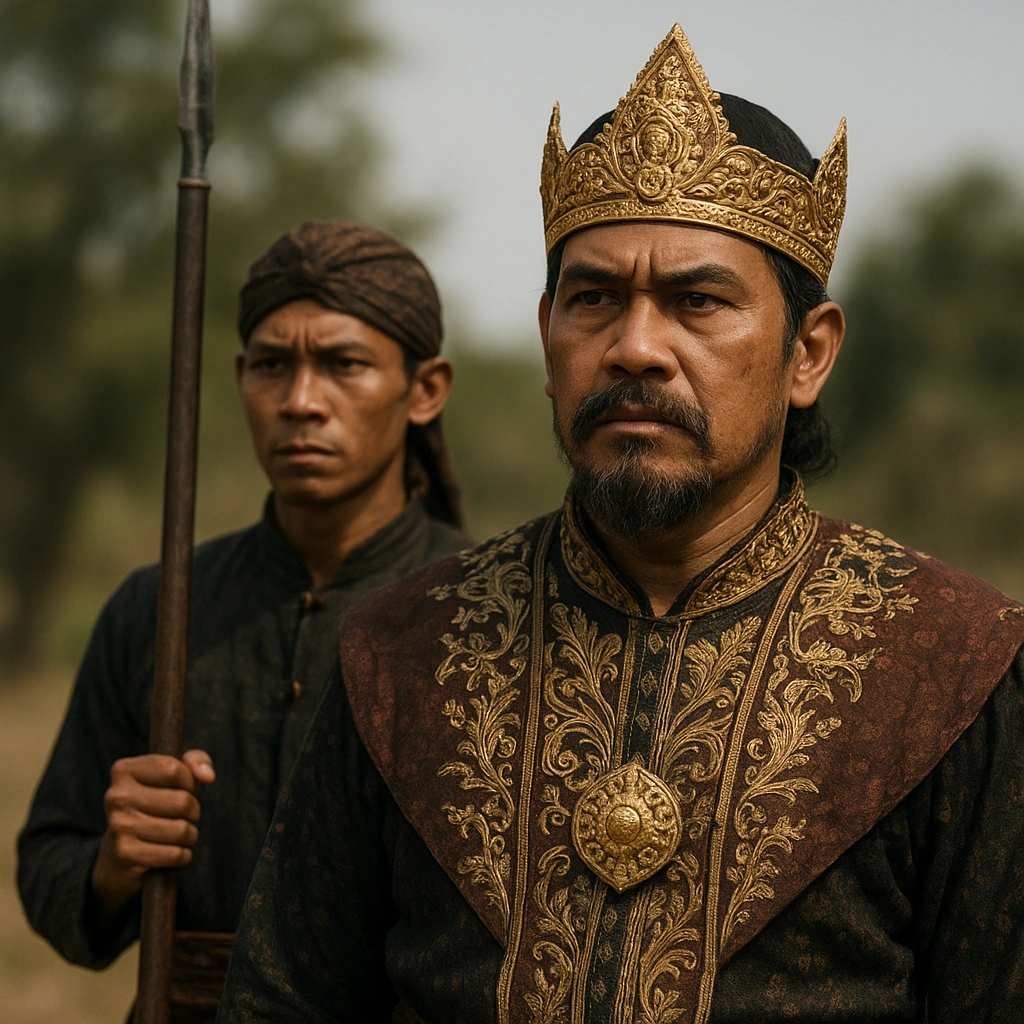
With the nature of a loyal and steadfast knight, Prangbakat individuals will find their “gates of fortune” wide open when embracing the Dharma Sang Penjaga (Duty of the Guardian).
They are highly suited for professions requiring high integrity, loyalty, and steadfastness. They will shine as: adjutants or right-hand persons to great leaders, supreme judges, state treasurers, heads of security, or senior managers who are extremely loyal to their company. Their prosperity flows abundantly not from creativity or commerce, but from the trust and great responsibility placed upon them.
The Love Life of the Loyal Knight
In the Javanese calculations for marriage, the loyal and protective nature of Prangbakat makes them ideal partners. However, they need a partner who understands that their loyalty to a “vow” or “principle” can sometimes supersede everything else. The ideal partner for them is someone who can respect their dedication, provide them space, and not demand that they break promises they have made.
Aral & Laku Spiritual – The Test of Reaching the Summit
Aral (Hindrance): “Memanjat” (Climbing)
Their greatest obstacle is “climbing.” This is a metaphor for the difficulty in reaching the peak of their goals or the highest position. Although they are very capable and loyal, there are often obstacles that make it difficult for them to achieve the number one position. This is a test of their sincerity in serving.
Laku Spiritual (Javanese spiritual practice or discipline) & Sedekah (charitable giving or offering):
To strengthen the soul and seek smooth progress, the recommended sedekah is nasi dang-dangan (rice cooked without coconut milk, emphasizing purity) with side dishes of beef cooked jajatah (a Javanese cooking method for beef, often in sweet and savory spices) and sweet seasoning. Beef symbolizes great strength, while sweet seasoning symbolizes the hope that this strength brings sweet results. The prayer offered is Slamet Pina (a prayer in Javanese tradition, seeking salvation from inner confusion), asking for salvation from all aral.
Marriage & Auspicious Days under the Knight
Wuku Prangbakat is an auspicious time for imposing punishment (enforcing rules) and acting as a trade intermediary.
However, this is not an ideal day for long journeys, planting garden crops, seeking new employment, or treating illnesses.
The 7 Faces of Prangbakat – A Blend with Weton
Of course, understanding one’s wuku of birth and its impact becomes complete when harmonized with their weton (Javanese birth calculation system based on the combination of seven days of the week with five Javanese market days). Utilize a weton checker to discover your specific combination. Here are 7 distinct “faces” of Wuku Prangbakat:
- Weton Minggu Pon: The loyalty of Prangbakat meets the authority and charm of Pon. Creates a very charismatic and respected right-hand person to a leader.
- Weton Senin Wage: The steadfastness of Prangbakat combines with the logical and hardworking nature of Wage. Results in a very reliable and meticulous administrator or manager.
- Weton Selasa Kliwon: The inner strength of Prangbakat meets the spiritual intuition of Kliwon. This is the combination for a highly respected spiritual advisor or guardian of tradition.
- Weton Rabu Legi: The protective nature of Prangbakat meets the sincerity of Legi. Results in the most sincere and loyal courtier or adjutant.
- Weton Kamis Pahing: The firmness of Prangbakat meets the fiery spirit of Pahing. Creates a very brave and uncompromising head of security or field commander.
- Weton Jumat Pon: The social skills of Prangbakat combine with the intelligence of Pon. Results in a very shrewd negotiator or ambassador.
- Weton Sabtu Wage: The mental strength of Prangbakat meets the independence of Wage. Creates the most trustworthy keeper of secrets or important financial matters.
Loyalty as the Highest Crown
Angger, anakku…
Wuku Prangbakat is a wejangan about loyalty. It teaches that the highest crown of a knight is not the throne, but faithfulness to their oath. To truly embody the Prangbakat spirit means learning to accept one’s destiny as a supporting pillar, as a keeper of trust whose strength shines brightest when working behind the scenes, ensuring the king’s throne remains firm and authoritative.
Understand Your Character and Inner Map More Deeply
Discover precisely which Wuku presides over you and how it intertwines with your Weton to form a complete Inner Map.
FAQ About Wuku Prangbakat
Q1: What is Wuku Prangbakat in the Javanese calendar?
Wuku Prangbakat is the 24th cycle in the Pawukon Jawa (210-day calendar), symbolizing loyalty, sacrifice, and mental strength. It is protected by Bethara Bisma, the knight known for his sacred vows in the Mahabharata.
Q2: What are the traits of people born in Wuku Prangbakat?
They are loyal, courageous, and principled. However, they may also struggle with arrogance, emotional sensitivity, and difficulty in reaching the highest peak of success.
Q3: What is the spiritual obstacle (aral) of Wuku Prangbakat?
The main obstacle is “Memanjat” (climbing), symbolizing the challenge of reaching top positions or ultimate goals despite their strength and loyalty.
Q4: What careers suit Wuku Prangbakat individuals?
They excel in roles requiring integrity and trust, such as judges, advisors, treasurers, security chiefs, or loyal assistants to leaders.
Q5: Is Wuku Prangbakat good for marriage?
Yes, they make loyal and protective partners, but they need spouses who respect their vows and principles above all else.
About the Author
This wejangan is presented by Ky Tutur—a symbolic figure embodying noble Javanese values such as wisdom, simplicity, and compassion. These writings are compiled by the KaweruhJawa.com team, comprising cultural researchers, academics, and spiritual practitioners dedicated to preserving and translating profound Javanese kaweruh (Javanese traditional knowledge or wisdom) into a language relevant for contemporary generations.
We believe that ancestral heritage is not merely a relic of the past, but also a living compass for life. Every article is crafted through meticulous research, intergenerational discussions, and deep contemplation, ensuring the accuracy and nobility of the values contained within.