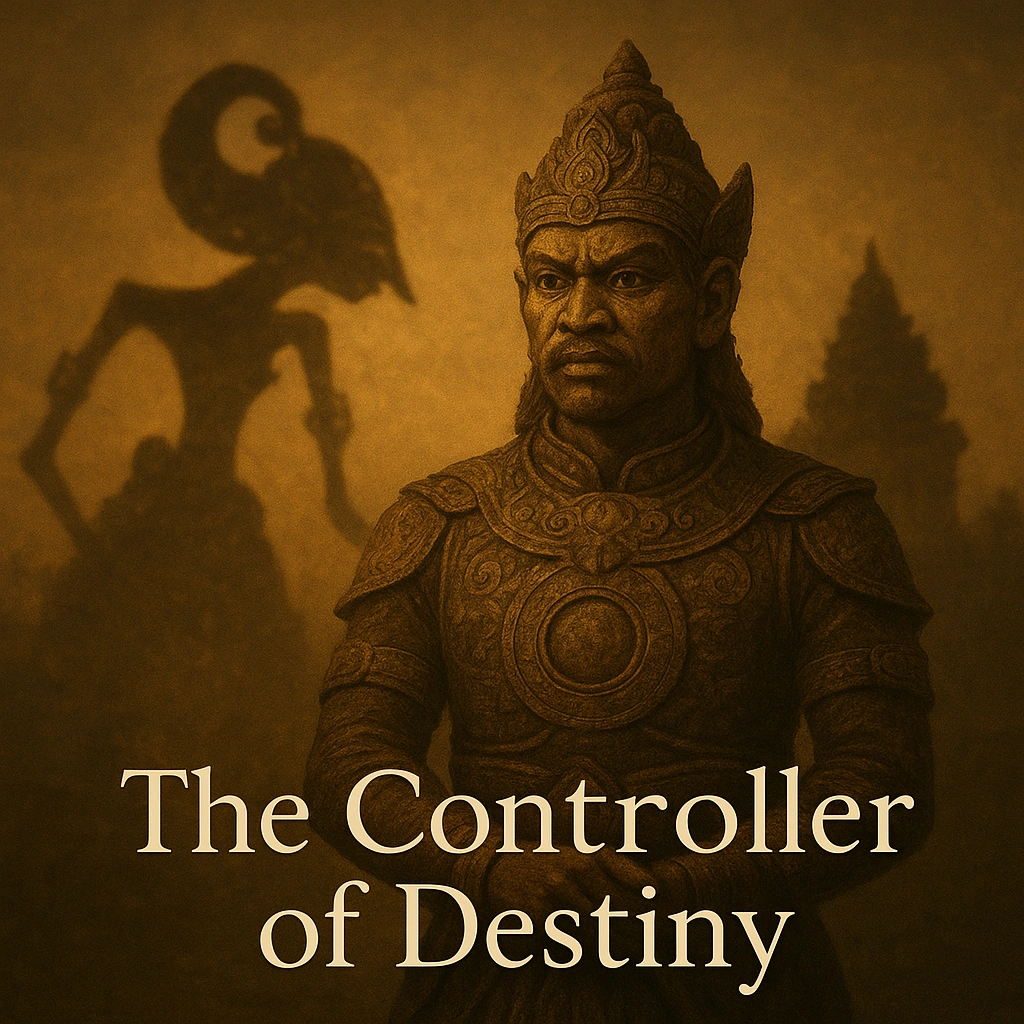
Wuku Wugu: The Energy of Change and Depth of Knowledge
Angger, anakku (My child)…
In our journey tracing the 30 “climates of the soul” within the great pawukon jawa (the traditional Javanese calendar system, a 210-day cycle), we arrive at the twenty-sixth gateway. This is a realm guarded by the energy of profound wisdom and the ability to embrace change: Wuku Wugu. This wuku (seven-day period) is under the benevolent gaze of Bethara Singajanma (a deity in Javanese mythology associated with cycles of life and transformation), the deity who governs the cycles of life and change itself.
The energy of this wuku is one of intelligence, broad insight, and the ability to adapt to various situations. However, behind all that potential for knowledge, lies an aral (hindrance or obstacle) in the form of “being affected by bisa (poison, metaphorically for negative influence or difficulty in relating to others),” a metaphor for difficulties in relating to others due to arrogance. This is a comprehensive wejangan (Javanese advice or spiritual teaching) on the essence of Wuku Wugu and how it influences one’s birth nature according to primbon jawa (Javanese divination manual or book of ancient wisdom, often used for interpreting omens and determining auspicious times).
Embracing Bethara Singajanma, The Guardian of the Gates of Change
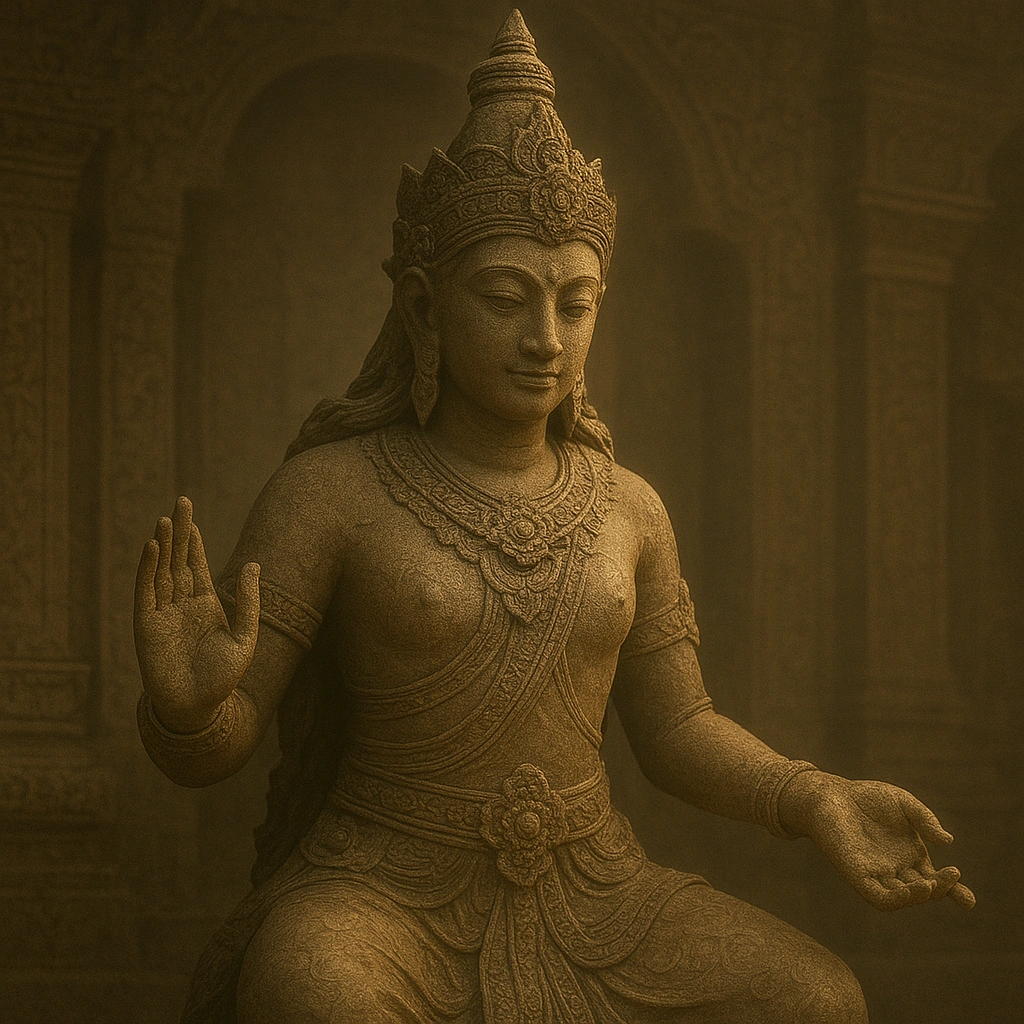
To truly grasp the spirit of Wuku Wugu, we must understand its guiding deity. Bethara Singajanma is the deity who governs the cycles of life and change. He teaches the importance of accepting every transition with a pure heart and an open mind. He embodies the principle that life is a constantly moving flow, and wisdom lies in our ability to adapt to that flow. The energy he radiates is one of deep understanding of the laws of nature and life.
Unveiling the Character of Those Born in Wuku Wugu
The ancient wuku and wewaran (Javanese calendrical calculations) systems paint a vivid portrait of the Wugu individual through four meaningful primary symbols:
Pohon Wuni: Wealth of Knowledge Attracting Attention
The Pohon Wuni (Wuni Tree, a fruit-bearing tree, symbolizing abundance and attraction) symbolizes someone rich in knowledge and understanding. Their presence attracts people who wish to pluck wisdom from them. However, ripe fruit also often gives rise to envy and jealousy from those who witness their conspicuous success and good fortune.
Burung Kepodhang: Sensitivity of Heart Choosing Solitude
The Burung Kepodhang (Oriole, a beautiful bird known for its distinct song and sometimes shy nature) symbolizes a nature that is easily offended and prefers to keep a distance from crowds. They possess high emotional sensitivity and tend to avoid situations that could lead to conflict. This trait can also indicate hidden jealousy, especially towards those perceived as more fortunate.
Angkasa Uwung-Uwung (Broad Insight): Mind Looking Far Ahead
The symbol of the vast sky (angkasa uwung-uwung) depicts deep understanding and the ability to think far ahead. Wugu individuals have the ability to see the big picture and plan steps with a clear vision. They enjoy learning and continuously developing themselves.
Cerdas dan Luas Wawasan: Potential for Success in Knowledge and Material Matters
The combination of intelligence (cerdas) and broad insight (luas wawasan) grants Wugu individuals great potential for success in the fields of science and finance. They are often able to see hidden opportunities and find innovative solutions to various problems.
The Dharma of Career & The Flow of Abundance for the True Learner
With an intelligent nature and high adaptability, Wugu individuals will find their “gates of fortune” wide open in the path of the Scientist (Dharma Sang Ilmuwan) or the Advisor (Dharma Sang Penasihat).
They are highly suited for professions requiring deep thought, analysis, and the ability to see opportunities. They will shine as: researchers, scientists, financial analysts, consultants, mentors, or teachers. Their prosperity flows from their ability to solve complex problems and provide valuable insights to others.
Aral & Laku Spiritual – Conquering Self-Arrogance
Aral (Hindrance): Afflicted by Bisa (Poison)
Their greatest obstacle is “being afflicted by bisa,” which is a metaphor for difficulties in relating to others or dangers arising from a tendency to isolate themselves. “Bisa” here can also symbolize the “poison” of negative thoughts such as envy or intellectual arrogance that can damage good relationships and hinder true progress.
Laku Spiritual (Javanese spiritual practice or discipline) & Sedekah (charitable giving or offering):
To maintain balance and cleanse oneself from the potential for negative “bisa,” the recommended sedekah is nasi dang-dangan (rice cooked without coconut milk, emphasizing purity) with side dishes of 2 plain white ducks (bebek putih 2 ekor di lembaran) and various market snacks (jajan pasar berbagai macam). White duck symbolizes purity and the release of ego, while market snacks symbolize diversity and the importance of sharing. The prayer offered is Selamet Kabulna (a prayer for safety and the fulfillment of hopes), seeking safety and the granting of wishes.
Marriage & Auspicious Days under the Deity of Change
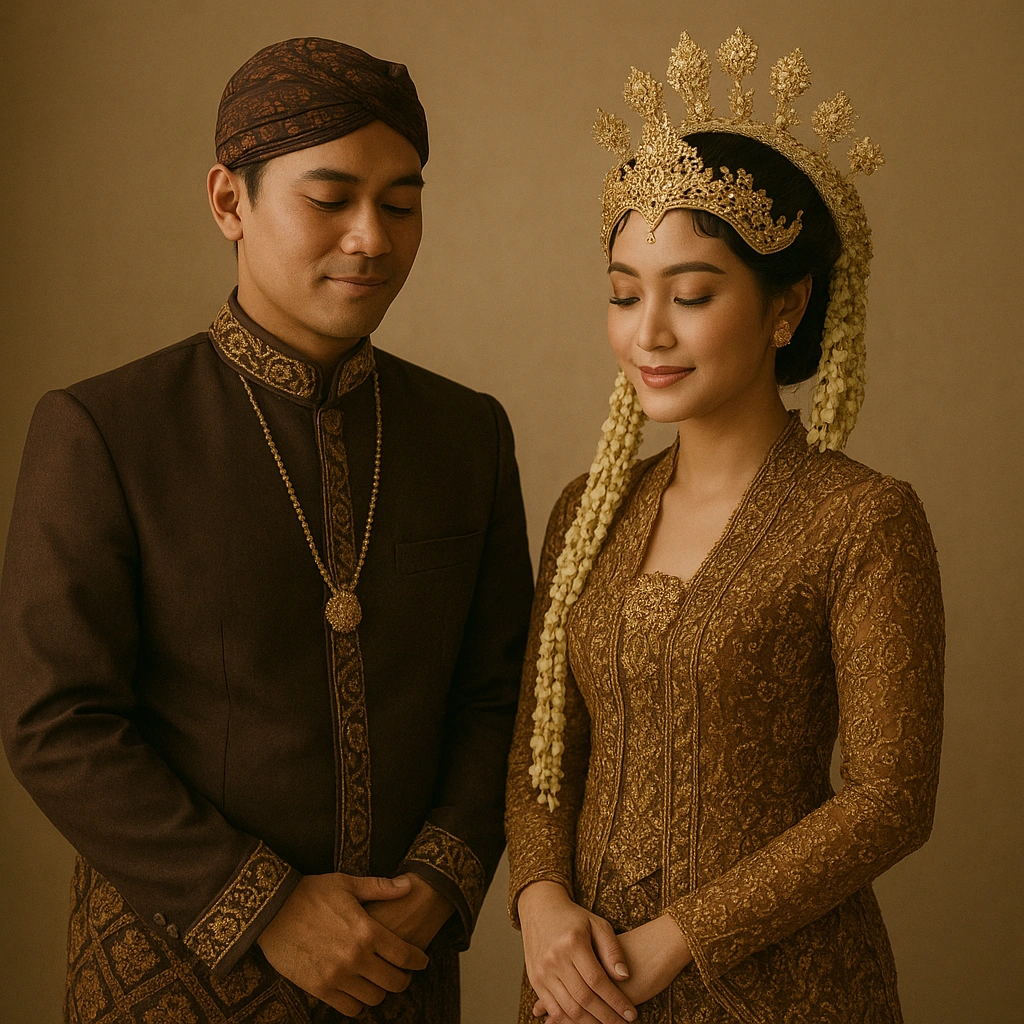
In the Javanese calculations for marriage, Wuku Wugu is an auspicious time for repairing homes, getting married, and traveling to seek fortune.
However, this is not ideal for building new friendships, quarreling with others, or seeking livelihood through dishonest means.
The 7 Faces of Wugu – A Blend with Weton
Of course, understanding one’s wuku of birth and its impact becomes complete when harmonized with their weton (Javanese birth calculation system based on the combination of seven days of the week with five Javanese market days). Utilize a weton checker to discover your specific combination. Here are 7 distinct “faces” of Wuku Wugu:
- Weton Minggu Pahing: The wisdom of Wugu meets the leadership spirit of Pahing. Results in a respected and highly influential teacher or mentor.
- Weton Senin Pon: The intelligence of Wugu combines with the tranquility of Pon. Creates a profound thinker capable of generating innovative ideas.
- Weton Selasa Wage: The adaptability of Wugu meets the meticulousness of Wage. Results in a very precise analyst or researcher.
- Weton Rabu Kliwon: The broad insight of Wugu meets the spiritual intuition of Kliwon. This is the combination for a highly respected philosopher or spiritual advisor.
- Weton Kamis Legi: The potential for knowledge of Wugu meets the sincerity of Legi. Results in an individual who enjoys sharing knowledge without expecting anything in return.
- Weton Jumat Pahing: The sensitivity of Wugu meets the social appeal of Pahing. Results in an effective communicator capable of conveying complex ideas in an easily understandable way.
- Weton Sabtu Pon: The independence of Wugu meets the strength of conviction of Pon. Creates an innovator who dares to take a different path.
Embracing Change with Humility
Angger, anakku…
Wuku Wugu is a wejangan about the importance of knowledge and the ability to adapt to life’s inevitable changes. It teaches that the richness of knowledge must be balanced with humility, and the ability to change must be founded on deep self-awareness. To truly embody the Wugu spirit means continuously learning and developing oneself, but also guarding the heart from falling into arrogance that can damage relationships with others and hinder true progress.
Understand Your Character and Inner Map More Deeply
Discover precisely which Wuku presides over you and how it intertwines with your Weton to form a complete Inner Map.
FAQ about Wuku Wugu
Q: What is Wuku Wugu in Javanese horoscope?
A: Wuku Wugu is the 26th cycle in the Javanese Pawukon calendar, symbolizing knowledge, adaptability, and the power of change, under the guidance of Bethara Singajanma.
Q: What are the traits of people born in Wuku Wugu?
A: Individuals born in Wuku Wugu are intelligent, insightful, and adaptable. However, they may also face challenges with arrogance, sensitivity, and difficulties in relationships.
Q: Which careers are suitable for Wuku Wugu individuals?
A: Wuku Wugu people thrive as researchers, scientists, consultants, financial analysts, mentors, and teachers—professions that require intelligence and broad vision.
Q: What spiritual practice is recommended for Wuku Wugu?
A: To balance their energy, they are advised to perform sedekah with nasi dang-dangan, 2 white ducks, and traditional market snacks, along with the Selamet Kabulna prayer for safety and fulfillment.
Q: Is Wuku Wugu good for marriage and life events?
A: Yes, Wuku Wugu is auspicious for repairing homes, getting married, and traveling for fortune, but not ideal for forming new friendships or dishonest ventures.
About the Author
This wejangan is presented by Ky Tutur—a symbolic figure embodying noble Javanese values such as wisdom, simplicity, and compassion. These writings are compiled by the KaweruhJawa.com team, comprising cultural researchers, academics, and spiritual practitioners dedicated to preserving and translating profound Javanese kaweruh (Javanese traditional knowledge or wisdom) into a language relevant for contemporary generations.
We believe that ancestral heritage is not merely a relic of the past, but also a living compass for life. Every article is crafted through meticulous research, intergenerational discussions, and deep contemplation, ensuring the accuracy and nobility of the values contained within.