
It’s a common scene at airports and in tour groups across Java: a traveler squints at a sign, takes a deep breath, and ventures a guess: “Yo-GHEE-uh-KAR-tuh?” or maybe “JOG-ja-kar-ta?” The locals smile politely, understanding the effort, but the traveler feels a familiar pang of uncertainty, often because Javanese pronunciation is unfamiliar at first.
Javanese city names, with their beautiful clusters of consonants and vowels, can be intimidating for English speakers, yet once you recognize the patterns of Javanese pronunciation, the sounds become much easier to follow.
But here’s the secret: Javanese pronunciation is actually far more consistent and logical than English, which makes it a joy to learn. With just a little practice, Javanese pronunciation can quickly feel natural and rewarding for any traveler.
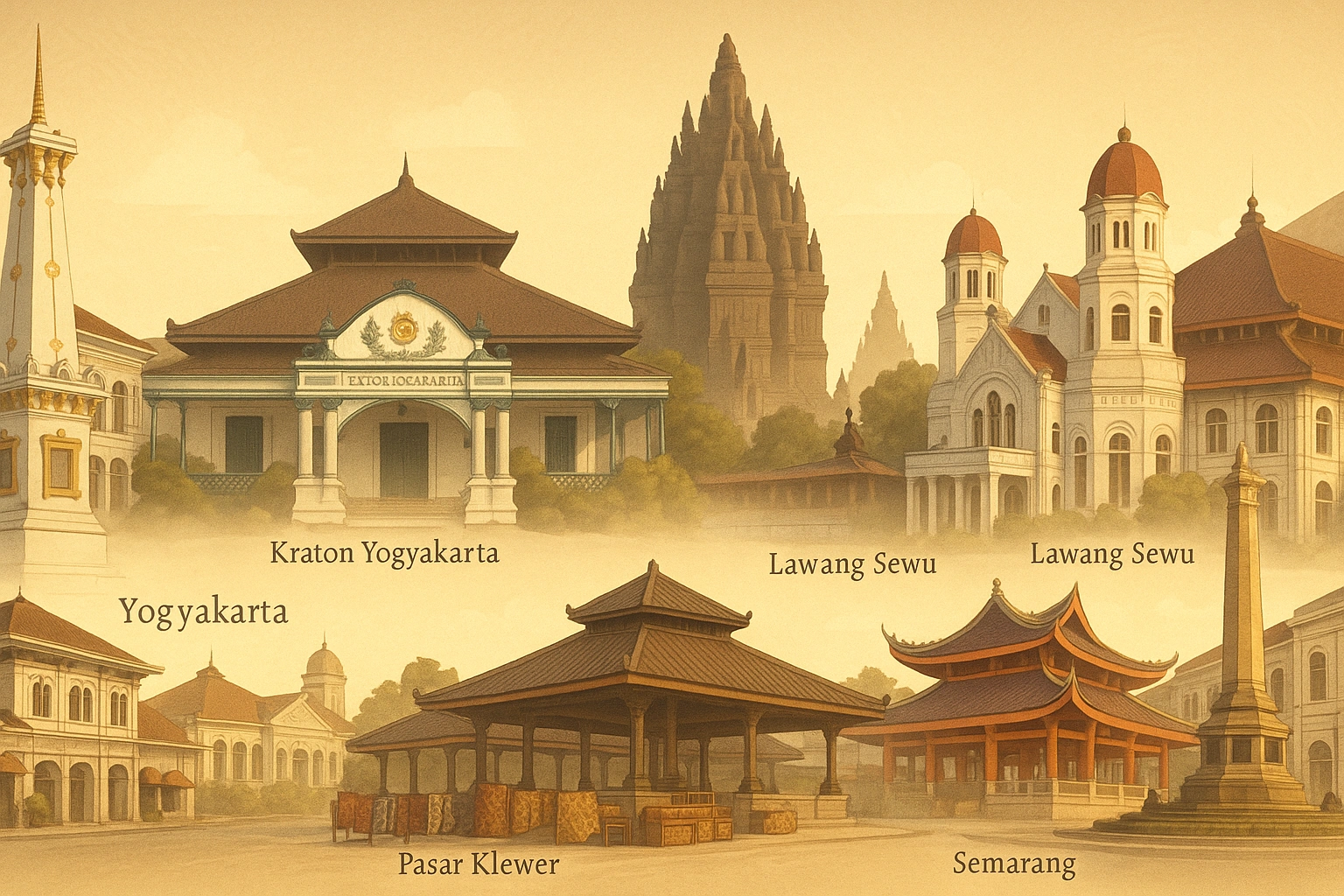
This guide is your key to unlocking Javanese pronunciation. We will demystify the correct pronunciation for Central Java’s most important cities: Yogyakarta (and its famous nickname, Jogja), Surakarta, and Semarang.
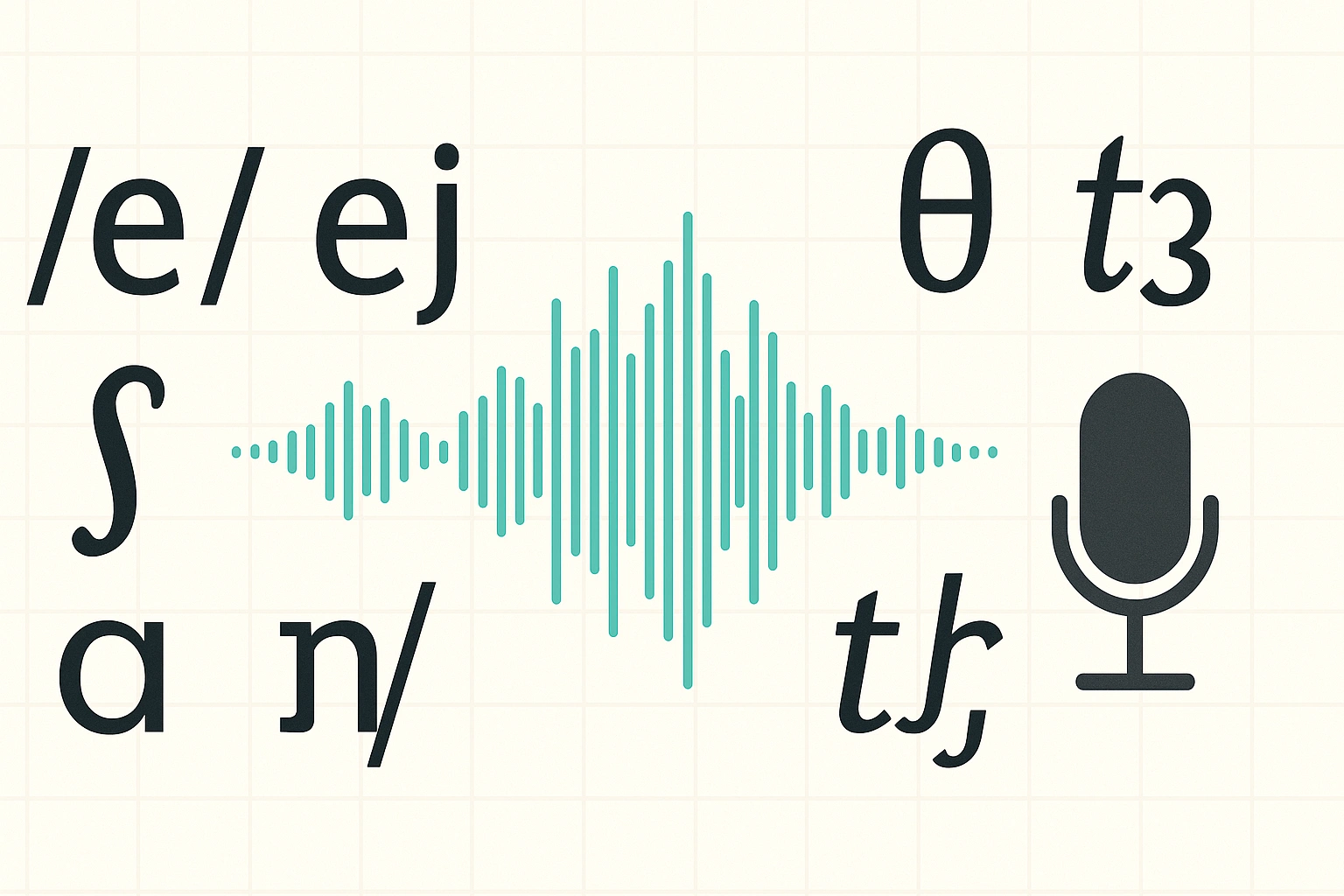
Using the International Phonetic Alphabet (IPA), simple phonetic breakdowns, and a clickable (mock) audio guide, you’ll see how Javanese pronunciation can be learned step by step, making the process clear and approachable.
You’ll learn not just what to say, but how to say it with the correct rhythm and emphasis, since Javanese pronunciation follows rules that are far more consistent than English.
Learning how to say these names is the first step in showing respect for a rich and beautiful culture, and practicing Javanese pronunciation helps travelers connect more deeply with local people.
The Golden Rules of Javanese Pronunciation
Before we tackle the cities, let’s first understand how Javanese pronunciation works through a few simple rules. Unlike English, where “a” can sound like five different things (compare “cat,” “father,” “late,” “ago,” “all”), the system here is far more consistent.
Javanese vowels are refreshingly pure, and once you grasp them, Javanese pronunciation quickly becomes easier to follow in everyday words.
Internalizing these sounds is the key to pronouncing almost any Javanese word correctly, and it gives you the confidence to handle Javanese pronunciation naturally when traveling.
With just a little practice, Javanese pronunciation feels logical, helping you avoid the confusion that often comes with English spelling rules.
The Five Pure Vowels
- A is always “ah” as in “father” or “spa.” It is never the ‘a’ in “cat” or “late.” Think of the word nama (name); it’s pronounced “nah-mah.”
- I is always “ee” as in “see” or “machine.” It is never the ‘i’ in “sit” or “ice.” The word siji (one) is “see-jee.”
- U is always “oo” as in “moon” or “flute.” It is never the ‘u’ in “cut” or “use.” The word tugu (monument) is “too-goo.”
- E has two main sounds:
- The “eh” sound (IPA: /e/ or /ɛ/), like in “bed” or “say.” This is called taling. Example: sate is pronounced “sah-tay.”
- The schwa “ə” sound, like the ‘a’ in “about” or the ‘u’ in “sofa.” This is a soft, unstressed vowel sound. This is called pepet. Example: sega (rice) is pronounced “suh-goh.” We’ll cover this vital difference more later.
- O is always “oh” as in “go” or “boat.” It’s a pure, round vowel. The word loro (two) is “loh-roh.”
Key Consonant Sounds
- C is always “ch” as in “chair.” Never ‘s’ or ‘k’. The word candi (temple) is “chan-dee.”
- G is always a hard “g” as in “gate” or “go.” Never a soft ‘j’ sound like in “gym.” The word gunung (mountain) is “goo-noong.”
- Y is always a consonant “y” as in “yes” or “yellow.” It is never used as a vowel.
- DH vs. D and TH vs. T: Javanese has retroflex consonants that don’t exist in English.
- D (dental): Pronounced with the tongue tip touching the back of the front teeth, like a standard English ‘d’.
- DH (retroflex): Pronounced with the tongue curled back slightly, touching the roof of the mouth. It’s a softer, deeper sound.
- For a beginner, pronouncing them both as a standard ‘d’ is acceptable, but being aware of the difference is the first step to a more authentic accent. The same applies to ‘T’ and ‘TH’.
Mastering these five vowel sounds is 80% of the battle. For a deeper dive into the language, you can explore our guide on Javanese romanization.
Pronunciation Guide: The Big Three
Let’s break down the most important cities, one by one, applying the rules we’ve just learned.
1. Yogyakarta
The Cultural Heart of Java
How to Say It Step-by-Step:
- Yog (yohg): Start with a clear “y” sound as in “yes.” The “og” is like the “ogue” in “vogue.” It’s one smooth syllable.
- ya (yah): A quick, soft “yah.” This syllable is very short.
- kar (KAR): This is the stressed syllable. It sounds exactly like the English word “car.” Emphasize this part.
- ta (tah): A soft “t” sound followed by a pure “ah” vowel.
How to Say the Nickname: Jogja
Locals almost exclusively call it Jogja. This is the key to sounding like you know the place! Note the ‘j’ sounds.
2. Surakarta
The Spirit of Java
How to Say It Step-by-Step:
- Su (soo): Like the name “Sue.”
- ra (rah): A quick “rah” sound.
- kar (KAR): The stressed syllable, again like “car.”
- ta (toh): In Javanese, a final ‘a’ is often pronounced with a soft ‘o’ sound, like “oh”. So, it’s “toh,” not “tah.” This is a key detail noted by linguists at institutions like the Max Planck Institute for Psycholinguistics.
How to Say the Nickname: Solo
The city is almost universally known by its nickname, Solo. It’s simple and much more common in daily conversation.
3. Semarang
The Port of Java
How to Say It Step-by-Step:
- Se (suh): The ‘e’ here is the schwa sound (ə), like the ‘a’ in “about.” It’s a very soft, unstressed “suh.”
- ma (MAH): This is the stressed syllable, with a clear “ah” sound.
- rang (rahng): The “-ng” at the end is a single sound, as in the English word “sing.” Do not pronounce it with a hard ‘g’ at the end.
Beyond the Big Three: Other Important Place Names
Let’s apply our knowledge to other famous Javanese locations.
| Place Name | Phonetic Spelling | Notes |
|---|---|---|
| Borobudur | boh-roh-boo-DOOR | The stress is on the final syllable. |
| Prambanan | prahm-bah-NAHN | Stress on the second-to-last syllable. All ‘a’s are “ah.” |
| Dieng | DEE-eng | A two-syllable name with stress on the first. The ‘ng’ is one sound. |
| Malang | MAH-lahng | Stress on the first syllable. |
| Gunung Merapi | GOO-noong Muh-RAH-pee | Gunung (mountain) + Merapi. Note the soft ‘e’ (schwa) in Merapi. |
Conclusion: Speak with Confidence and Respect
Mastering Javanese pronunciation of Yogyakarta, Surakarta, and Semarang is a small step that makes a huge difference in your travels and interactions. Learning the rhythm of Javanese pronunciation shows respect, builds rapport, and makes your journeys smoother and more enjoyable.
Remember the golden rules—especially the pure, consistent vowels—because Javanese pronunciation is refreshingly logical compared to English. Don’t be afraid to practice out loud; hearing yourself say the words with the right Javanese pronunciation is the best way to build confidence.
Now that you can say these names, why not learn to write them or understand the titles of the people who live there?