
At the heart of Indonesia’s most populous island lies a trio of cities that form the soul of Javanese civilization: Yogyakarta, Surakarta (Solo), and Semarang. Known as “Joglosemar,” this cultural triangle is the epicenter of Javanese art, history, and cuisine. For any traveler wanting to experience the authentic essence of Java, Yogyakarta is often the first stop, but exploring Solo and Semarang is equally rewarding.
Though geographically close, Yogyakarta and its neighboring cities have distinct personalities, shaped by centuries of royal rivalries and trade. Yogyakarta shines with its vibrant cultural energy, Solo preserves refined traditions, and Semarang reflects a rich blend of history. Choosing where to spend your time—whether in Yogyakarta’s bustling streets, Solo’s calm heritage, or Semarang’s colonial charm—can be a delightful challenge for any traveler.
Are you a first-time visitor looking for world-class temples and a vibrant arts scene? Are you a culture connoisseur seeking a more refined, traditional, and less-touristy experience? Or are you a history buff fascinated by colonial architecture and multicultural fusion? The Yogyakarta vs Solo vs Semarang debate doesn’t have a single right answer; it depends entirely on your travel style. This guide will act as your personal travel consultant. We will provide an in-depth comparison of each city’s unique culture, must-try food, and a sample itinerary to help you build the perfect Javanese adventure.
Yogyakarta (Jogja): The Soul of Java
Often called the “cultural capital” of Indonesia, Yogyakarta (universally known as Jogja) is the most popular, accessible, and energetic of the three. It’s a city of contradictions: an ancient sultanate teeming with youthful student energy, where centuries-old traditions coexist with a thriving contemporary art scene.
The Vibe: Artsy, Youthful, and Majestic
Jogja is the main tourist hub for a reason. It’s the gateway to the world-famous Borobudur and Prambanan temples. The city itself is a buzzing center of education and creativity. Streets are alive with art galleries, cafes, and music venues, all existing in the shadow of the still-powerful Sultan’s Palace (*Kraton*), which remains the spiritual and cultural heart of the city.
Go to Yogyakarta if:
- You are a first-time visitor to Java.
- Your main goal is to visit Borobudur and Prambanan.
- You love both ancient history and a vibrant, modern art scene.
- You want a wide variety of tourist infrastructure, from hostels to luxury hotels.
The Food: A Celebration of Sweetness
Jogja’s cuisine is famously sweet. The signature dish is *Gudeg*, a stew of young jackfruit cooked for hours in palm sugar and coconut milk. It’s a must-try, but be sure to explore the city’s other culinary delights like *Ayam Goreng* (crispy fried chicken, often from the Suharti dynasty) and *Bakpia*, small, sweet pastries filled with mung bean paste.
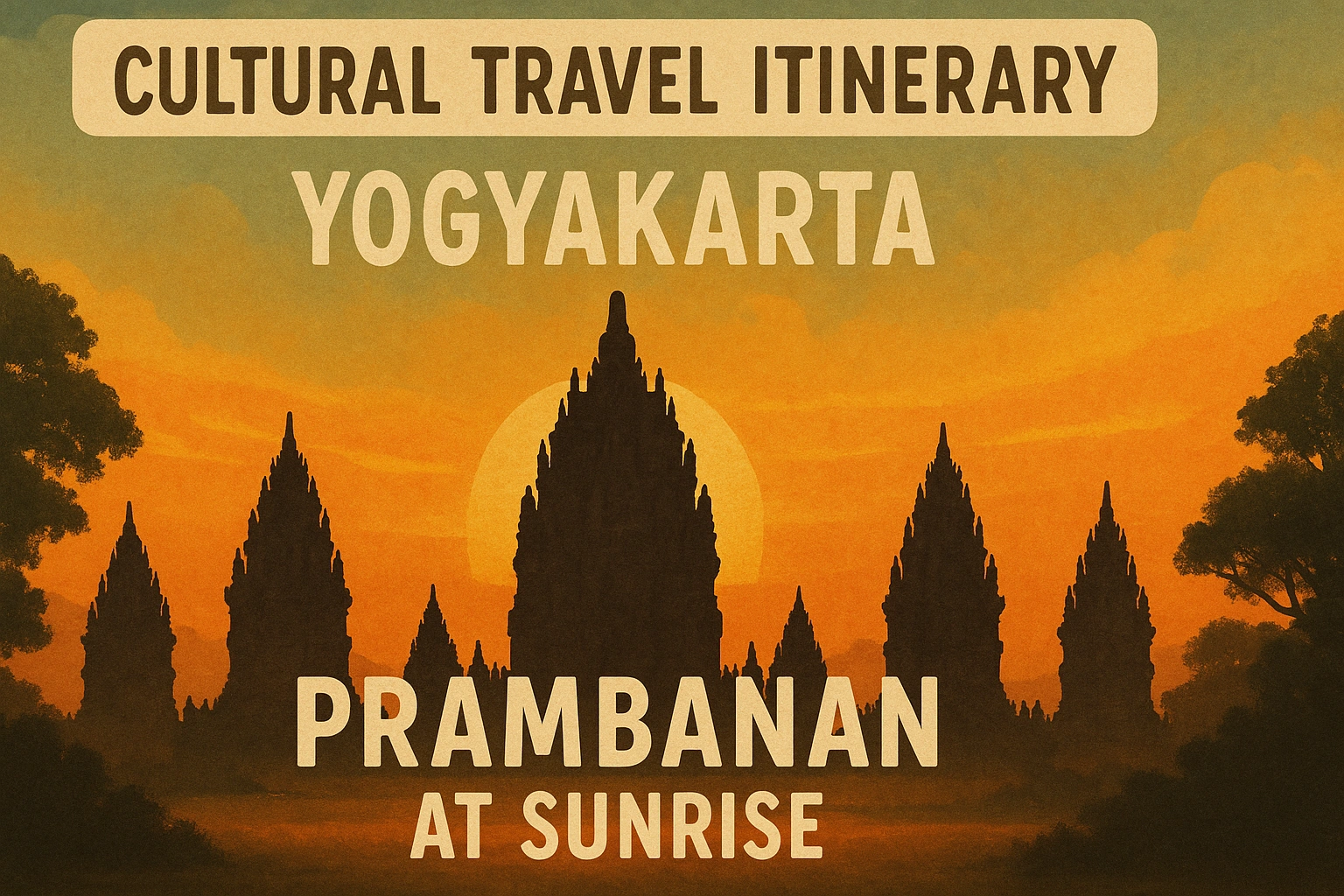
Sample 3-Day Yogyakarta Itinerary:
- Day 1: Sunrise at Borobudur, followed by a visit to the nearby Pawon and Mendut temples. Afternoon exploring the Kraton (Sultan’s Palace) and the adjacent Taman Sari water castle. Evening walk down the bustling Malioboro Street.
- Day 2: Morning exploring the magnificent Prambanan temple complex. Afternoon dedicated to the contemporary art scene in areas like Prawirotaman, visiting galleries and batik workshops.
- Day 3: A more relaxed day exploring the silversmiths of Kotagede, trying your hand at making batik, and enjoying the city’s cafe culture before departure.
Surakarta (Solo): The Spirit of Java
Just a short train ride from Jogja lies its historical rival and sister city, Surakarta, almost always called Solo. While it shares a royal heritage, Solo has a completely different feel. It is calmer, more refined, and many argue, more “authentically” Javanese, having been less influenced by mass tourism.
The Vibe: Traditional, Refined, and Laid-Back
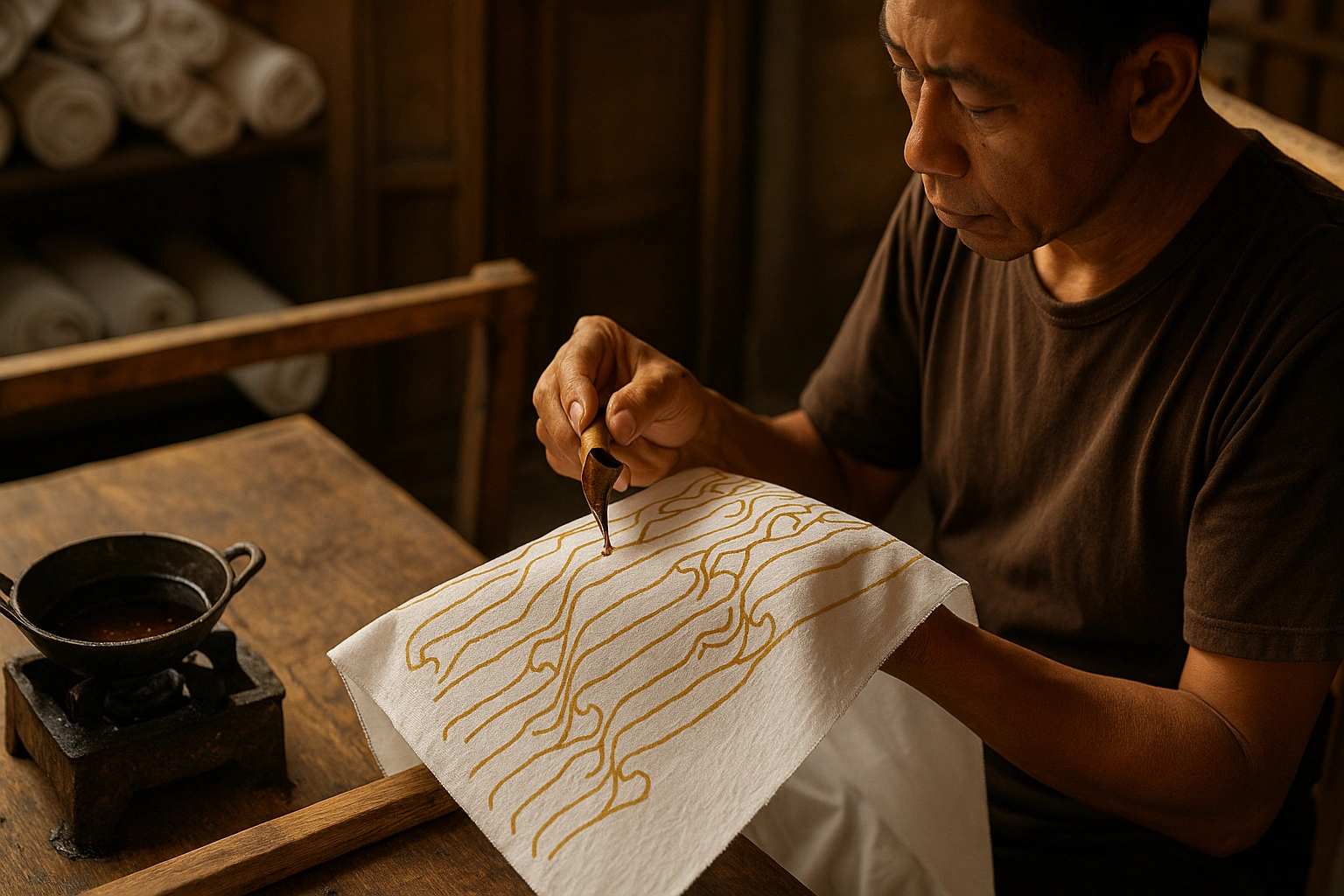
If Jogja is the vibrant soul, Solo is the introspective spirit. It is the city you visit to experience a purer, more preserved form of Javanese high culture. Solo is the undisputed capital of batik, where the art form is both a massive industry and a deeply respected craft. The city moves at a slower pace, inviting you to wander through its grand palaces and ancient markets.
Go to Solo if:
- You are a connoisseur of culture looking for a deeper, less-touristy experience.
- You are passionate about textiles and want to explore the world of authentic batik.
- You prefer a more relaxed, gentle pace of travel.
- You have already visited Jogja and want to see the other side of the royal coin.
The Food: Savory and Soulful
Solo’s cuisine is a delicious contrast to Jogja’s sweetness. It’s generally more savory and subtle. The signature dish is *Nasi Liwet*, a fragrant rice cooked in coconut milk and chicken broth, served with shredded chicken, a boiled egg, and a vegetable stew. Other must-tries include *Timlo Solo* (a clear, refreshing soup) and *Serabi Notosuman* (a famous coconut pancake).
Semarang: The Port of Java
The northern point of the triangle is Semarang, the bustling capital of Central Java. Unlike the royal cities of Jogja and Solo, Semarang’s identity was forged by trade and multiculturalism. It is a port city where Javanese, Chinese, and Dutch cultures have mingled for centuries, creating a unique and fascinating urban landscape.
The Vibe: Historic, Multicultural, and Dynamic
Semarang is a city of contrasts. In one part of town, you have the Kota Lama, or “Old Town,” a remarkably well-preserved district of Dutch colonial architecture that feels like a step back in time. In another, you have the vibrant Chinatown and the magnificent Sam Poo Kong temple, a testament to the city’s deep Chinese heritage. It is less about traditional Javanese arts and more about the fascinating story of colonial trade and cultural fusion.
Go to Semarang if:
- You are a history buff fascinated by colonial architecture and multicultural history.
- You are a foodie who loves unique, fusion cuisines.
- You’re looking for an off-the-beaten-path urban experience away from the main tourist trail.
The Food: A Fusion Feast
Semarang’s food is a direct reflection of its multicultural history. The most famous dish is *Lumpia Semarang*, a delicious spring roll filled with bamboo shoots, egg, and shrimp or chicken, a clear fusion of Chinese and Javanese flavors. Other iconic dishes include *Bandeng Presto* (pressure-cooked milkfish) and *Tahu Gimbal* (a tofu and shrimp fritter salad).
A Practical Comparison: Yogyakarta vs Solo vs Semarang
| Feature | Yogyakarta (Jogja) | Surakarta (Solo) | Semarang |
|---|---|---|---|
| Vibe | Youthful, artsy, energetic | Traditional, refined, calm | Bustling, multicultural, historic |
| Best For | First-timers, temple lovers | Culture connoisseurs, batik lovers | History buffs, foodies |
| Main Attractions | Borobudur, Prambanan, Kraton | Kraton, Mangkunegaran, Batik Markets | Kota Lama (Old Town), Sam Poo Kong |
| Signature Food | Gudeg (sweet jackfruit) | Nasi Liwet (savory rice) | Lumpia (savory spring roll) |
Conclusion: Which City Will You Choose?
The beauty of the Joglosemar triangle is that you don’t necessarily have to choose. Yogyakarta, Solo, and Semarang are well-connected by an efficient and comfortable train system, with the journey between Yogyakarta and Solo taking only about an hour. Travelers can start from Yogyakarta to explore temples, continue to Solo for tradition, and head to Semarang for history. It is entirely possible to create an itinerary that highlights the unique character of all three, with Yogyakarta often serving as the perfect gateway.
However, if your time is limited, the choice comes down to your personal travel philosophy. For a spectacular introduction to Java’s greatest hits, Yogyakarta is unbeatable. For a quieter, deeper immersion into the high arts of Javanese culture, Solo is the answer. And for a fascinating journey into a multicultural, colonial past, Semarang offers a unique and unforgettable experience. Whichever you choose, you will be rewarded with a profound glimpse into the heart and soul of Java.