By Kyai Tutur, Javanese Culturalist •
Ever felt like your Western zodiac sign only tells half the story? You’re not alone. While many of us know our sun sign, ancient cultures often used far more intricate systems to map human personality and destiny. Deep within the heart of Javanese mysticism lies one such system: the Pawukon calendar, and its cornerstone, the Javanese Wuku.
This isn’t just another astrology list. The Javanese Wuku cycle is a 210-day spiritual roadmap that has guided Javanese life for centuries, influencing everything from marriage dates to rice harvests. It’s a layer of cosmic identity that works in tandem with your weton to create a uniquely detailed profile of your character, strengths, and potential challenges.
In this guide, we will dive deep into the complete list of all 30 Javanese Wuku. We’ll explore their unique meanings, the gods that protect them, and the characteristics they bestow. Ready to discover which of these ancient cycles truly defines you? Let’s begin your journey with Javanese Wuku wisdom.
What is Wuku, Really? The Backbone of Javanese Time
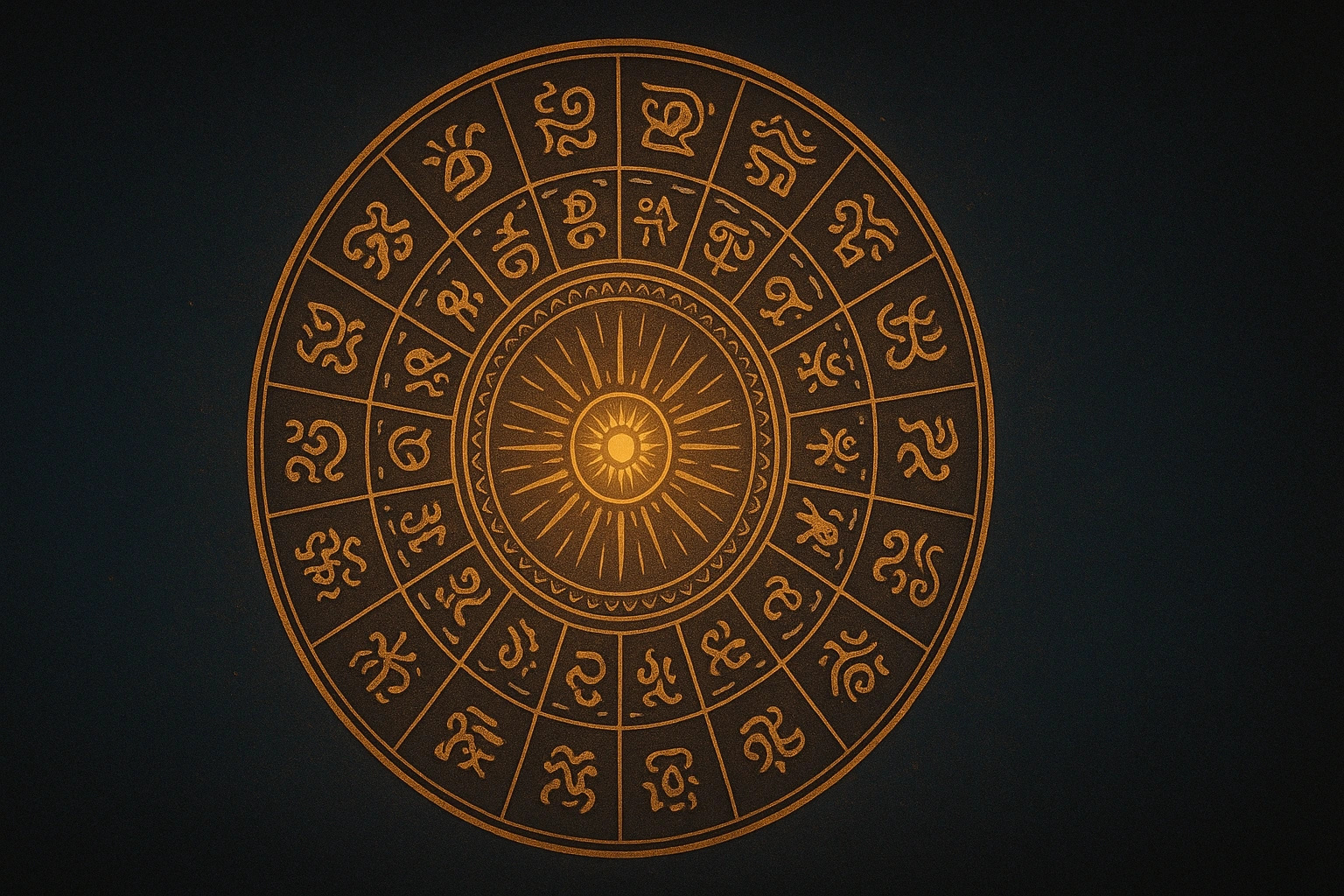
Before we meet the 30 wuku, it’s essential to understand where they come from. Wuku are the 30 individual seven-day weeks that make up the 210-day Pawukon calendar. Think of it as a cosmic almanac. While the Gregorian calendar tracks the sun and the Islamic calendar tracks the moon, the Pawukon tracks a unique confluence of energies.
According to Javanese lore, the system originated with a king named Prabu Watugunung. He had 27 sons from one mother, Queen Sinta, and later unknowingly married his own mother. To atone for this, the gods decreed that the entire family, including the king, queen, and their sons (plus three of the king’s commanders), would be immortalized as names for the 30 weeks, forming the Javanese Wuku.
Each Javanese Wuku is under the protection of a specific deity and carries the symbolic weight of its namesake’s story. The Javanese Wuku system ensures that each week has unique energies and characteristics that influence life events.
By understanding the Javanese Wuku, one can appreciate how these ancestral figures and their stories continue to shape daily life, guiding choices and marking important moments. The rhythm of each Javanese Wuku also offers insights into personality and destiny, connecting the cosmos with human experience.
This system is profoundly practical. It’s not just for understanding personality; the Javanese Wuku serves as a guide for living in harmony with the universe. By observing the patterns of Javanese Wuku, people can align their actions with favorable energies.
As noted by cultural studies at Gadjah Mada University, one of Indonesia’s oldest educational institutions, the Pawukon and its Javanese Wuku are used to determine auspicious and inauspicious days (dina becik and dina ala) for virtually every significant life event.
Understanding Javanese Wuku helps not only in daily decisions but also in planning major milestones, as the rhythm of each Javanese Wuku carries distinct energies that influence outcomes.
In essence, the wisdom of Javanese Wuku offers both a spiritual and practical roadmap, guiding individuals toward choices that honor the natural flow of time and cosmic balance.
How Wuku Connects to Your Weton
If you’re exploring Javanese wisdom, you’ve likely encountered the term weton. Your weton is the cornerstone of your Javanese astrological identity, marking the intersection of the seven-day week (Saptawara) and the five-day Javanese market week (Pancawara). You can find yours easily with a Javanese Weton Calculator.
So, where does wuku fit in?
Think of it this way: If your weton is the specific “address” of your birth, your Javanese Wuku is the “neighborhood”. It provides the overarching theme, the atmosphere, and the fundamental energy of the seven-day period in which you were born.
The Javanese Wuku adds a crucial layer of context that shapes how your weton’s traits are expressed. It helps explain why people with the same weton can still show very different personalities and tendencies.
Two people might share the same weton, say Jumat Kliwon, but if they are born in different Javanese Wuku, their characters, strengths, and challenges can be remarkably different.
This is why the Javanese Wuku is seen not only as a cultural marker but also as a deeper guide to understanding the unique path and energy that surrounds a person’s life.
The Complete List of 30 Wuku and Their Meanings
Here is the full cycle of the 30 wuku. Find your birth date within a Javanese calendar or use the recommended calculator to pinpoint which one is yours, then explore its profound meaning.
| No. | Wuku Name | God/Patron | Bird | Tree | Characteristics & General Meaning |
|---|---|---|---|---|---|
| 1 | Sinta | Batara Yamadipati | Gagak (Crow) | Kendayakan | Proud, ambitious, and protective. They possess a hidden charm and love luxury but must guard against jealousy and arrogance. |
| 2 | Landep | Batara Mahadewa | Atat Kembang | Kendayakan | Sharp-minded, diligent, and generous. They excel at giving advice and are natural problem-solvers, though they can be overly critical. |
| 3 | Wukir | Batara Mahayekti | Manyar | Nagasari | Wise, charismatic, and a natural leader. People are drawn to their calm demeanor. They are thrifty and good with finances. |
| 4 | Kurantil | Batara Langsur | Srigunting | Ingas | Often underestimated, they are brave and resilient. They face many challenges but have the strength to overcome them. Prone to being misunderstood. |
| 5 | Tolu | Batara Bayu | Branjangan | Wuni | Strong, powerful, and enjoy traveling or being on the move. They are honest and straightforward but can sometimes be too forceful. |
| 6 | Gumbreg | Batara Candra | Ayam Hutan | Beringin | Compassionate, merciful, and nurturing. They are humble and don’t seek the spotlight, but their kindness earns them great respect. |
| 7 | Warigalit | Batara Asmara | Kepodang | Sulingan | Eloquent, attractive, and popular. They have a talent for persuasion and enjoy social settings, but can be susceptible to flattery. |
| 8 | Warigagung | Batara Maharesi | Betet | Cemara | Intelligent, noble, and have high aspirations. They are respected for their knowledge but can appear aloof or detached. |
| 9 | Julungwangi | Batara Sambu | Kutilang | Jati | Charming, artistic, and a bit of a daydreamer. They love beauty and pleasure, which can sometimes lead to extravagance. |
| 10 | Sungsang | Batara Gana | Nuri | Sungsang | Rebellious and independent-minded. They question authority and forge their own path. Often misunderstood but are fiercely loyal to their cause. |
| 11 | Galungan | Batara Kamajaya | Bido | Tlasih | Brave, competitive, and confident. They are born winners who aren’t afraid to take risks. Their presence is commanding and influential. |
| 12 | Kuningan | Batara Indra | Perkutut | Wijayakusuma | Wise, authoritative, and hold strong principles. They are generous to those they care for but can be stern with opponents. |
| 13 | Langkir | Batara Kala | Prenjak | Ingas | Strong, assertive, and sometimes intimidating. They have a powerful will and are not easily swayed, making them effective but sometimes difficult leaders. |
| 14 | Mandasiya | Batara Brahma | Platuk Bawang | Asam | Firm, disciplined, and hold themselves to high standards. They are trustworthy and reliable, but can be rigid in their views. |
| 15 | Julungpujut | Batara Guritna | Emprit | Rembuyung | Sensitive, intuitive, and empathetic. They often feel things deeply and are prone to worry, but have a gift for understanding others. |
| 16 | Pahang | Batara Tantra | Cocak | Ganggeng | Clever, resourceful, and quick-witted. They are skilled communicators and can adapt to any situation. They enjoy intellectual challenges. |
| 17 | Kuruwelut | Batara Wisnu | Sriti | Pengaron | Cautious, meticulous, and patient. They think before they act and are excellent planners. They value stability and security above all. |
| 18 | Marakeh | Batara Surangggana | Sepah | Trengguli | Generous, sociable, and love to help others. They have a wide circle of friends and are known for their hospitality, but can be financially careless. |
| 19 | Tambir | Batara Siwa | Prenjak | Upas | Dedicated, focused, and have a strong sense of purpose. They can be reserved or introverted, preferring deep work to socializing. |
| 20 | Medangkungan | Batara Basuki | Pelatuk | Puring | Righteous, honorable, and a protector of the weak. They have a strong moral compass and are not afraid to stand up for what is right. |
| 21 | Maktal | Batara Sakri | Puter | Nagasari | Hardworking, persistent, and resilient. They are able to endure great hardship to achieve their goals. Their success comes through effort, not luck. |
| 22 | Wuye | Batara Kuwera | Betet | Pandan | Materially fortunate but often anxious. They are skilled at acquiring wealth but live with a persistent fear of losing it. |
| 23 | Manahil | Batara Citragotra | Gelatik | Cemara | Artistic, refined, and value harmony. They have excellent taste and appreciate the finer things in life, but dislike conflict and confrontation. |
| 24 | Prangbakat | Batara Bisma | Jalak | Andong | Knightly, courageous, and protective. They are natural guardians who defend their loved ones fiercely. They have a strong sense of honor. |
| 25 | Bala | Batara Durga | Ulung | Maja | Bold, adventurous, and unafraid of danger. They thrive on challenges and excitement, but their recklessness can lead them into trouble. |
| 26 | Wugu | Batara Singajalma | Ayam Alas | Wuni | Diligent, responsible, and a bit of a perfectionist. They are highly capable but can be overly critical of themselves and others. |
| 27 | Wayang | Batara Sri | Kepodang | Cempaka | Graceful, charming, and compassionate. They have a love for arts and culture and a nurturing spirit that makes others feel at ease. |
| 28 | Kulawu | Batara Sadana | Nuri | Tal | Diligent and good at managing resources. They understand the value of hard work and are often successful in business or trade. |
| 29 | Dukut | Batara Sakri | Penthet | Purwo | Calm on the surface but with a hidden inner strength. They are patient observers who gather knowledge before making a move. |
| 30 | Watugunung | Batara Anantaboga | Gagak | Wijayakusuma | The final wuku, representing endings and introspection. People from this wuku are often old souls, prone to melancholy but also deep wisdom. It’s a period of reflection. |
How to Find Your Wuku
While you could consult a traditional Javanese almanac, the process is complex and requires cross-referencing multiple calendar systems. The most straightforward and accurate method is to use a digital tool.
- Know Your Birth Date: Have your complete Gregorian birth date (day, month, year) ready.
- Use an Online Calculator: The easiest way to find your complete Javanese birth profile is with a Javanese Weton Calculator. It will instantly tell you your dina, pasaran, and your wuku.
- Explore Your Profile: Once you have your wuku, return to the list above to understand its core energies and how they might manifest in your life.
Beyond Personality: The Practical Power of Wuku
Understanding your wuku is more than a fun personality quiz. In Javanese culture, it has profound practical applications. The characteristics of each wuku determine which days are favorable for specific activities.
- Auspicious Times (Dina Becik): A wuku like Landep (meaning ‘sharp’) is considered an excellent time for sharpening tools, honing skills, or making strategic decisions. A wuku like Gumbreg (associated with livestock) might be seen as a good time to start a farm or invest in animals. You can leverage this knowledge in your own life by understanding your Weton for business success.
- Inauspicious Times (Dina Ala): The wuku of Sungsang (meaning ‘upside down’ or ‘rebellious’) is often avoided for starting new ventures or holding important ceremonies, as its energy is considered unstable. The final wuku, Watugunung, is a period of taliwangke, or misfortune, and is generally a time for quiet contemplation, not for weddings or travel. This knowledge is crucial when considering weton compatibility for relationships.
According to research published by the Indonesian Ministry of Education and Culture, this system of time-reckoning “reflects a Javanese worldview of seeking cosmic balance in daily life,” making it a living tradition, not just a historical artifact.
Javanese Wuku vs. Western Zodiac: A Different Cosmic View
It’s tempting to draw direct parallels between the wuku and the Western zodiac, but they operate on fundamentally different principles.
| Feature | Javanese Wuku System | Western Zodiac System |
|---|---|---|
| Cycle Length | 210 days (30 weeks of 7 days) | ~365 days (12 months) |
| Cosmic Basis | A complex, self-contained system of cyclical energies. | Based on the sun’s apparent path through constellations. |
| Components | An integrated system: Wuku + 7-day week + 5-day week. | Primarily focused on one’s Sun sign, with other planets adding layers. |
| Primary Use | Determining character and auspicious timing for actions. | Primarily focused on personality archetypes. |
The Javanese system is less about “what you are” and more about “the energy you were born into.” It’s a dynamic guide to navigating the ebbs and flows of cosmic energy. To learn more, you can explore the differences between Javanese Weton and the Zodiac.