
For a gardener in Amsterdam, Berlin, or Provence, the idea of using a Javanese agricultural calendar from the 19th century might sound absurd. Java’s world is one of monsoons and volcanoes, a perpetual dance between the wet and dry seasons. Europe’s is a world of four distinct seasons, of frost and thaw. How could one possibly inform the other?
This article explores how you, a gardener in Europe, can adapt the ancient principles of Pranata Mangsa. We won’t be planting rice in winter, but we will learn how to build a hyper-local, intuitive gardening calendar that fosters a deeper connection to the land, reduces failures, and makes you a more observant, successful gardener.
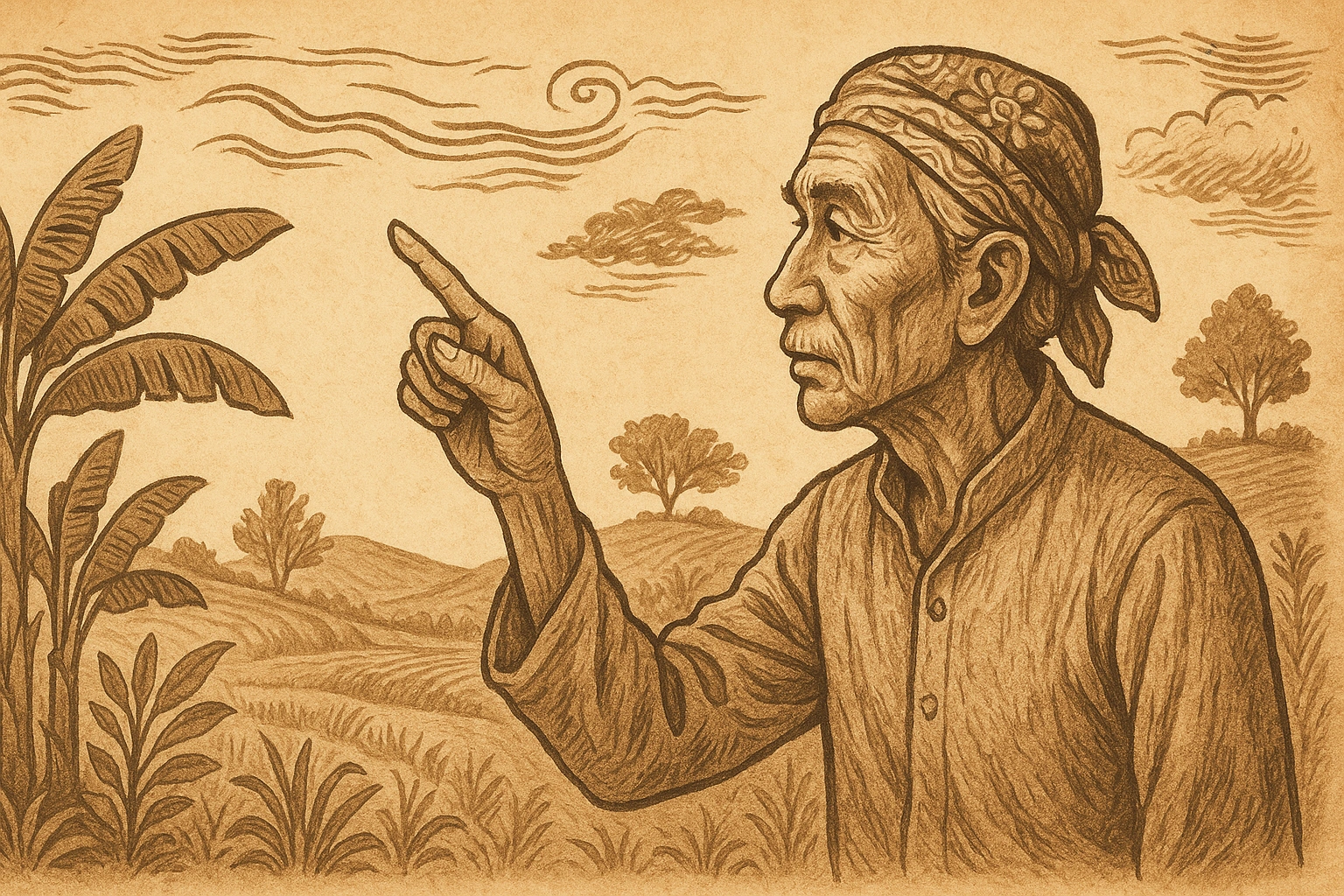
What is Pranata Mangsa? The ‘Rule of Seasons’
Formalized in the 19th century by the royal court of Surakarta, Pranata Mangsa is a solar-based calendar that divides the year into 12 distinct seasons, or *mangsa*. Unlike the Gregorian calendar’s sterile, equal months, these *mangsa* vary in length (from 23 to 41 days) and are defined by observable natural phenomena: the position of the sun, the direction of the wind, the intensity of rainfall, and the behavior of plants and animals.
For example, *Mangsa Kaso* (the first season) is marked by falling leaves and dry soil, a time for preparing land. *Mangsa Rendheng* (the sixth season) is the height of the rainy season, when “water is abundant from the sky,” a time for planting rice. You can learn more about this system in our guide to Pranata Mangsa’s seasons.
The core genius of Pranata Mangsa is that it is a calendar of *effects*, not just dates. It is based on what is actually happening in the environment, making it a responsive, living system.
This system provided Javanese farmers with a reliable guide for centuries, ensuring successful harvests by synchronizing human activity with the rhythm of the cosmos. The question is, can we extract its principles from the tropical context and apply them to a temperate one?
The Bridge: From Tropical Java to Temperate Europe
A direct, literal translation is impossible. You cannot map Java’s “Season of Strong Winds” to a specific date in the Netherlands and expect it to work. The key is to look past the specifics and embrace the underlying philosophy. Pranata Mangsa gardening is built on three universal pillars.
1. The Principle of Hyper-Local Observation (Ilmu Titen)
The Javanese call this *ilmu titen*, or the “science of signs.” It is the practice of paying meticulous attention to your immediate surroundings. Javanese farmers knew it was time to plant based on the flowering of a specific tree or the arrival of a certain insect. This is the heart of the system. For a European gardener, this means forgetting the dates on the seed packet for a moment and instead asking: Is the soil warm enough? Are the daffodils in bloom? Have the swallows returned? Your garden gives you better clues than any generic calendar.
2. The Principle of Natural Indicators (Phenology)
Phenology is the scientific term for what Pranata Mangsa has practiced for centuries: studying the timing of recurring biological events. While Javanese indicators are tropical, Europe has its own rich set of reliable signals. The blooming of the forsythia bush is a classic indicator that the soil is warm enough to plant peas. The flowering of dandelions often coincides with the right time to plant potatoes. By learning the natural indicators in your local area, you are creating your own Pranata Mangsa.
3. The Principle of Rhythmic Action
Pranata Mangsa dictates that there is a right time for everything. A time for preparing soil (*Mangsa Kaso*), a time for planting (*Mangsa Rendheng*), and a time for harvesting and resting (*Mangsa Bedhidhing*). This rhythm exists in European gardens too. There is a phase of quiet planning (winter), a phase of explosive growth (spring/summer), and a phase of harvest and decline (autumn). By aligning your gardening tasks with this energy flow—preparing beds when the earth is resting, planting when it is bursting with life—you work *with* nature, not against it.
How to Create Your European Pranata Mangsa: A 3-Step Guide
Ready to apply this? Here’s a practical guide to creating a personalized gardening calendar based on these Javanese principles.
- Step 1: Define Your Local ‘Mangsa’ (Micro-Seasons)
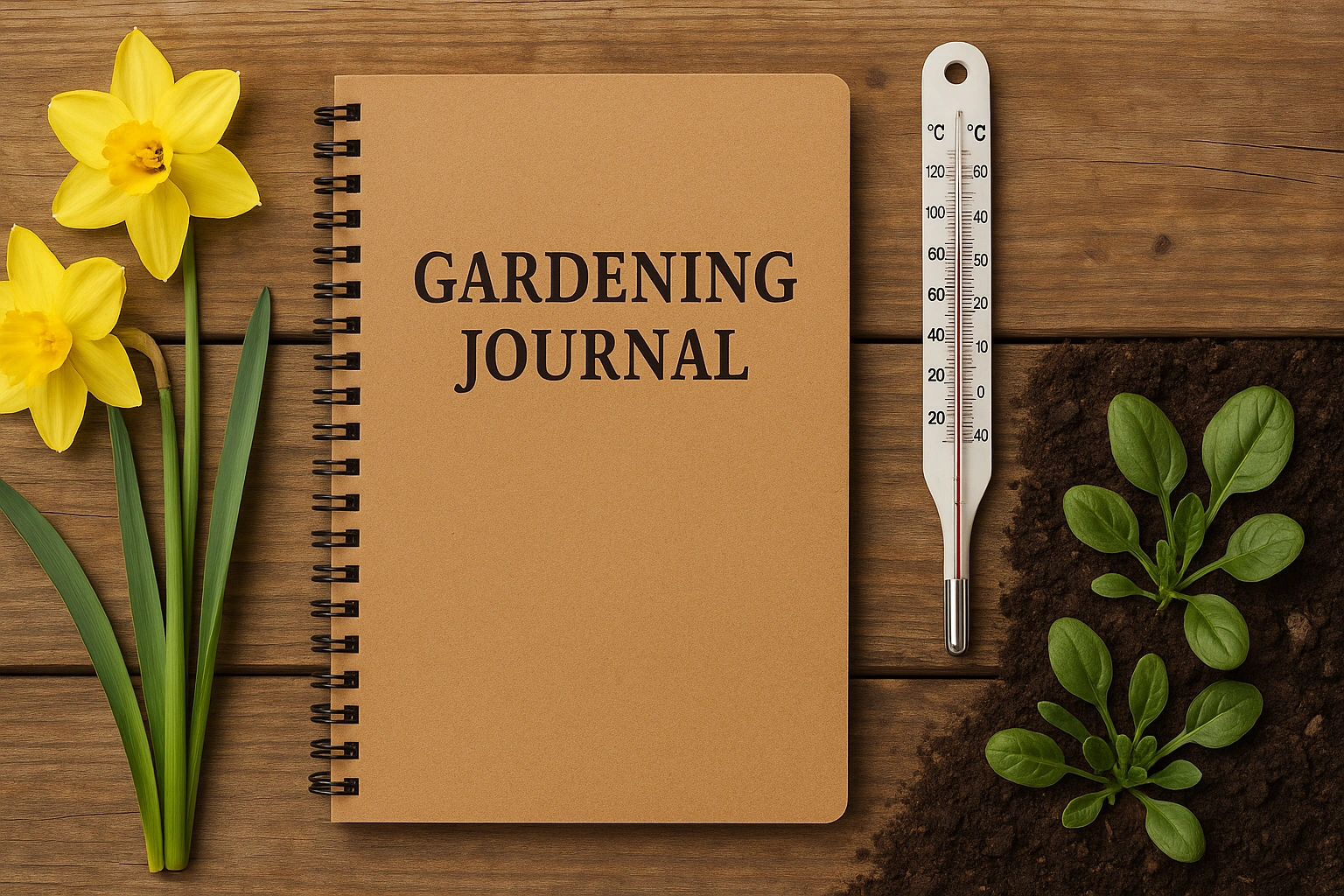
Forget the four rigid seasons. Your garden experiences many more subtle shifts. Start a journal and define your own micro-seasons. Give them descriptive names. For example:- The Mangsa of Awakening: Late winter/early spring when the first bulbs emerge.
- The Mangsa of False Spring: That tricky period with warm days but frosty nights.
- The Mangsa of Pollinators: When bees and butterflies become active.
- The Mangsa of Long Light: The peak of summer around the solstice.
- The Mangsa of Golden Leaves: Early autumn, before the first frost.
- The Mangsa of First Frost: The critical transition for tender plants.
- The Mangsa of Deep Sleep: The coldest part of winter when the ground is frozen.
- Step 2: Identify Your Key Indicators
For each micro-season you define, list the specific natural signs (*pertanda*) in your garden and local area. This is your personal phenology chart. Some European examples include:- Soil Temperature: Use a soil thermometer. Many seeds won’t germinate below 10°C (50°F).
- Indicator Plants: When do the snowdrops, crocuses, dandelions, and lilacs bloom in your area? These are your natural timers.
- Bird and Insect Activity: Note when you see the first bees, when migratory birds like swallows or house martins arrive, and when you hear the first dawn chorus.
- Tree Buds: Observe when horse chestnut or lilac buds begin to swell and break.
- Step 3: Match Tasks to Your Mangsa
Now, link your gardening activities to your observed micro-seasons, not the calendar month. This creates a responsive, flexible plan.
A Sample Pranata Mangsa for a Northern European Garden
This table is a simplified example. The key is to create your own based on your specific location and observations.
| European ‘Mangsa’ | Natural Indicators | Gardening Tasks (Rhythmic Actions) |
|---|---|---|
| The Awakening (Feb-Mar) | Snowdrops & crocuses bloom. Soil is workable but cold. First birdsongs. | Start seeds (tomatoes, peppers) indoors. Prune fruit trees. Prepare beds if soil isn’t frozen. |
| The Quickening (Apr-May) | Forsythia & daffodils bloom. Swallows return. Soil warms to 10°C. | Plant early potatoes & peas. Sow hardy greens (lettuce, spinach) directly. Harden off seedlings. |
| The Flowering (May-Jun) | Lilacs & apple trees blossom. Danger of last frost passes. Bees are very active. | Plant out tender vegetables (tomatoes, courgettes). Sow beans & corn. Begin weeding regularly. |
| The Peak (Jun-Jul) | Longest day of the year. Roses & lavender are in full bloom. First berries ripen. | Water consistently. Harvest early crops. Succession sow fast-growing salads. |
| The Ripening (Aug-Sep) | Days grow shorter. Spiders webs appear in the morning dew. First leaves turn yellow. | Main harvest time for tomatoes, potatoes, beans. Sow winter greens. Preserve the bounty. |
| The Retreat (Oct-Nov) | First frost arrives. Deciduous trees are bare. Migratory birds depart. | Plant garlic & onions. Cover empty beds with mulch or green manure. Bring tender plants indoors. |
| The Deep Sleep (Dec-Jan) | Ground is frozen. Shortest day of the year. Garden is dormant. | Plan next year’s garden. Order seeds. Clean and sharpen tools. Rest. |
Conclusion: A Philosophy of Place
Pranata Mangsa is more than just an agricultural almanac; it is a way of seeing the world. It teaches that the deepest wisdom is not found in books or on websites, but in the soil under your feet and the sky above your head. By adapting its principles, you are not simply copying an exotic tradition. You are joining a global, timeless practice of people who listen to the earth.
So, this year, try putting away the rigid calendar. Start a journal, watch for the signs, and let your own garden tell you when it’s time to plant. You will cultivate not only a more successful garden but also a more profound and harmonious relationship with the place you call home.
Frequently Asked Questions (FAQ)
1. Do I need to know the original Javanese Mangsa?
No, it’s not necessary. While fascinating, the goal is to apply the *philosophy* of observation, not the specific tropical seasons. Understanding the principles of *ilmu titen* (the science of signs) is more important than memorizing the 12 Javanese *mangsa*.
2. How does this compare to the Western biodynamic calendar?
There are strong parallels. Both Pranata Mangsa and biodynamic gardening emphasize working in harmony with natural and cosmic rhythms. However, biodynamics is often focused on lunar and planetary positions, while the core of Pranata Mangsa is based on observable, earth-bound phenomena like weather and animal behavior. They are two different paths to a similar goal of holistic agriculture.
3. What if climate change makes my local indicators unreliable?
This is where the Pranata Mangsa approach is actually *more* resilient than a fixed calendar. As weather patterns become more erratic, relying on fixed dates (e.g., “always plant potatoes in April”) becomes riskier. The observational approach of Pranata Mangsa forces you to respond to the conditions of the current year, making your gardening more adaptive and resilient to change.
4. How long does it take to develop a reliable local calendar?
It’s an ongoing process of learning. You will notice key patterns within the first year. After three to five years of journaling and observation, you will have a very reliable and deeply personal understanding of your garden’s unique rhythms.