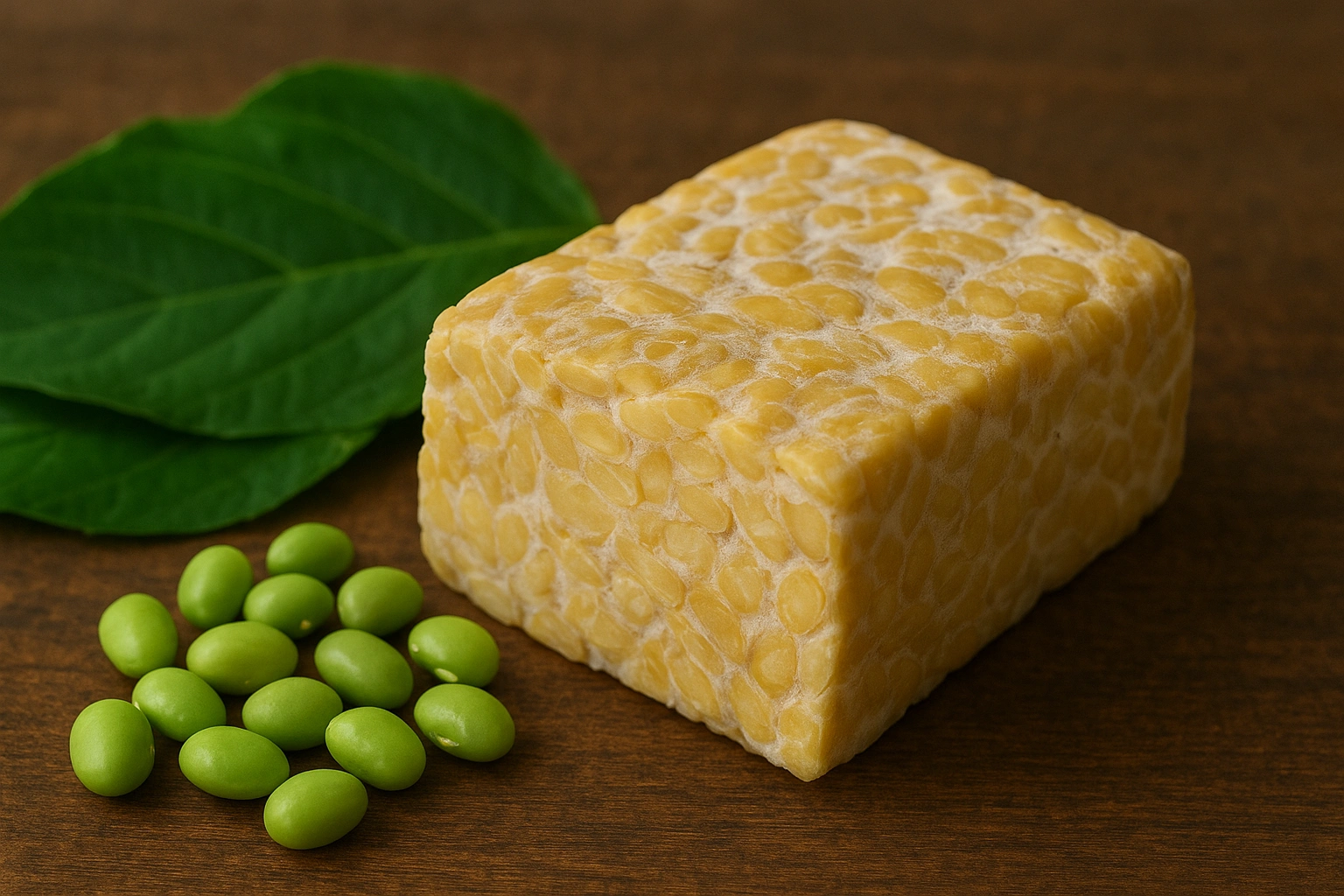
Today, it’s a global plant-based superstar. But the true tempeh origin is a fascinating story of accidental discovery, culinary innovation, and the rich culture of Java, Indonesia. This is its definitive history.
You see it everywhere: sizzling in an air fryer, crumbled into vegan tacos, or forming a hearty plant-based burger. Tempeh has become a global icon of healthy eating, but understanding the tempeh origin adds depth to every bite. Its firm, nutty texture and protein-rich profile are rooted in the tempeh origin, a centuries-old tradition from Central Java. Celebrating tempeh today also means honoring the tempeh origin, a story of ingenuity, fermentation, and Javanese culinary culture that predates modern health food trends.
The story of tempeh is a journey into the tempeh origin. Understanding the tempeh origin reveals centuries of Javanese fermentation wisdom. Every block tells the tale of the tempeh origin, its culture, and science. Exploring the tempeh origin helps you appreciate how this humble soy cake became a global culinary favorite.
The Mystery of Tempeh’s Beginnings: An Accidental Masterpiece?
Unlike tofu, whose Chinese origins are well-documented for over 2,000 years, the precise birth of tempeh is shrouded in a bit more mystery. There are no ancient stone carvings depicting tempeh-making, and its name doesn’t appear in the very oldest Javanese manuscripts. Most food historians believe that the history of tempeh is closely linked to the introduction of tofu production to Java by Chinese immigrants, likely sometime around the 17th century. The most widely accepted theory is that tempeh was an accidental, brilliant discovery.
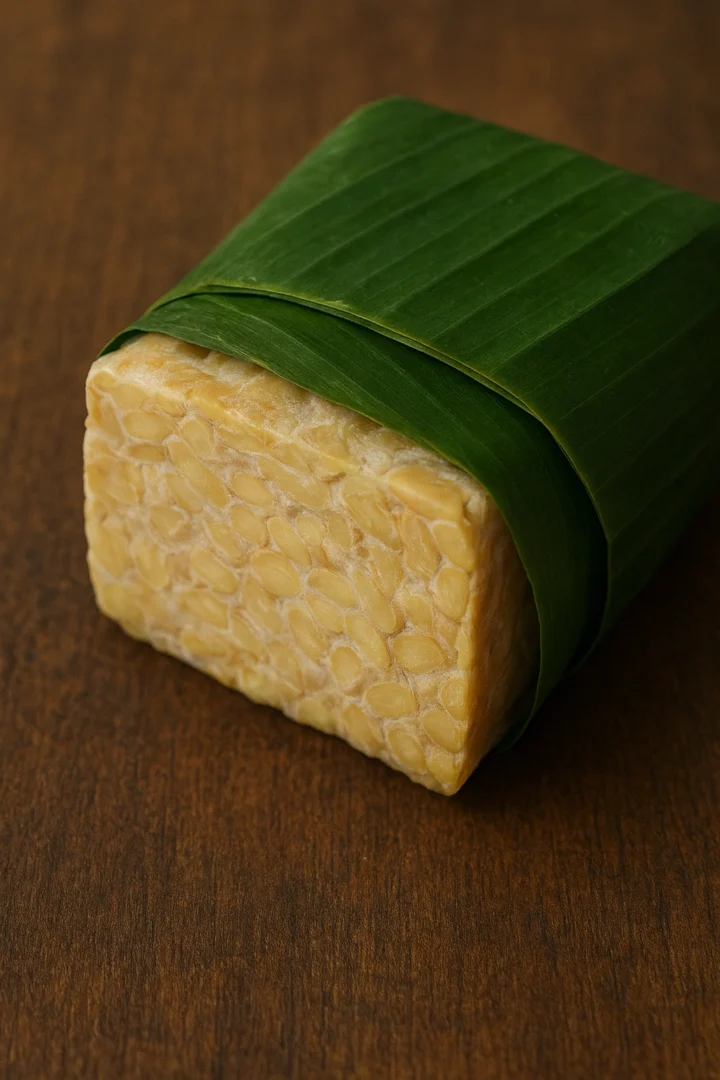
The tempeh origin story begins with leftover soybean curds, once discarded by tofu-makers. In Java, these scraps were wrapped in leaves and left in the warm, humid climate, creating the beginnings of the tempeh origin. A wild mold, Rhizopus oligosporus, transformed the soybeans into a firm, nutritious cake, marking a key moment in tempeh origin. What was once waste became a staple food, showing how the tempeh origin is rooted in frugality and ingenuity.
The First Written Record: Tempeh in the Serat Centhini
While the “accidental discovery” theory is compelling, the first concrete historical evidence of tempeh appears much later. The earliest known written mention of the word “têmpé” is found in the *Serat Centhini*, a monumental Javanese literary work compiled and written in the early 19th century (c. 1814-1823) at the court of Surakarta. The *Serat Centhini* is an encyclopedic text, a vast travelogue of Javanese life, culture, and knowledge. In Volume III, it describes a feast in the honor of a wedding, and among the dishes served is *sambel lethok*, a spicy sauce featuring, you guessed it, tempeh.
This mention is incredibly significant. It tells us that by the early 1800s, tempeh was not some obscure, newly discovered food. It was common enough to be included in a well-known dish served at a celebration, signifying its firm place in the Javanese diet. This text, studied by academics for centuries, is a key piece of evidence that solidifies the tempeh origin within the heart of Javanese culture. You can find extensive scholarship on the *Serat Centhini* at academic archives like JSTOR.
The Science of the Miracle Mold: *Rhizopus oligosporus*
The magic of tempeh is entirely due to its unique fermentation culture. Unlike the bacterial cultures used for yogurt or sauerkraut, tempeh is created by a mold, *Rhizopus oligosporus*. This specific strain of *Rhizopus* is what makes tempeh, tempeh. It’s a fast-growing, beneficial mold that performs several key functions:
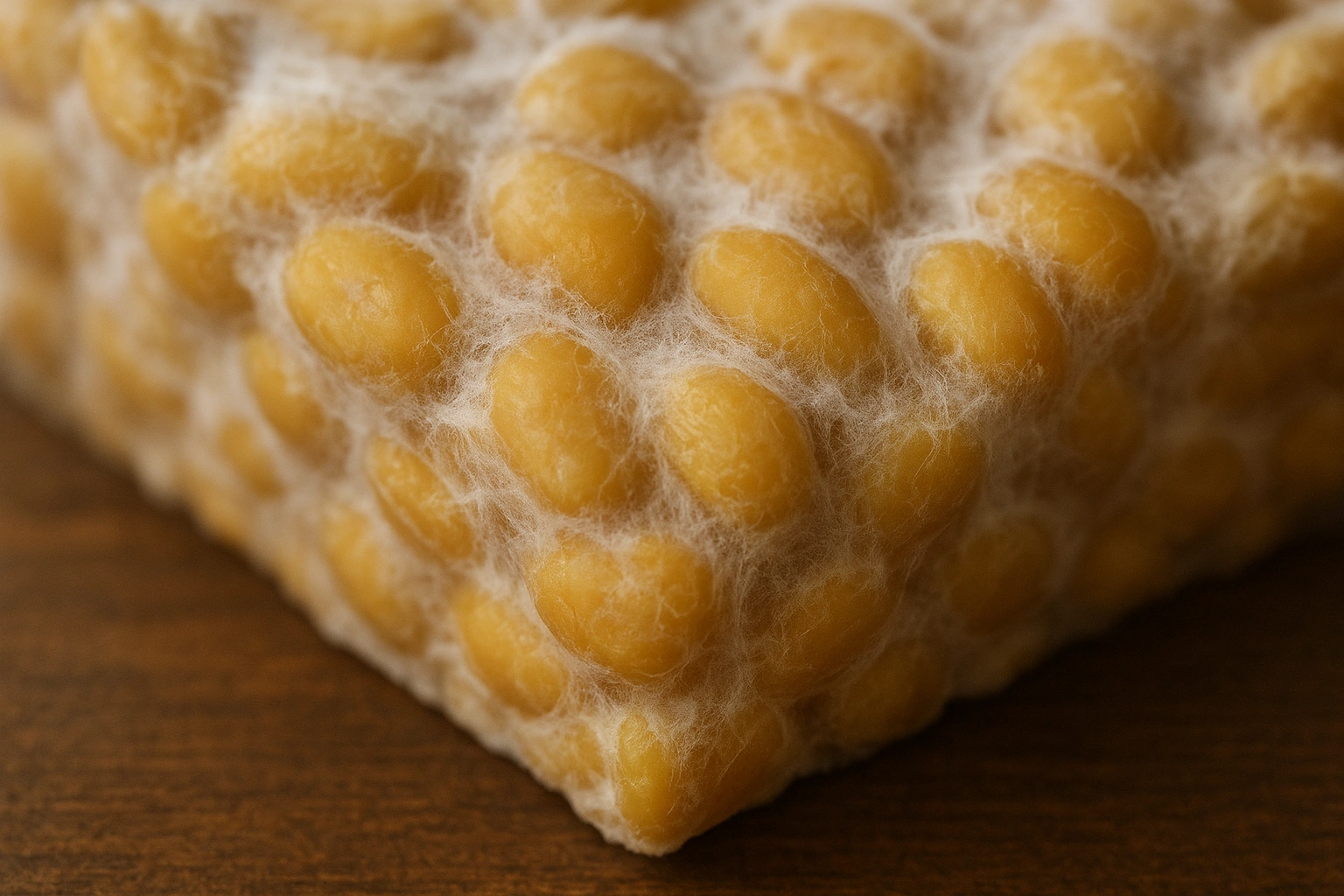
- It Binds the Beans: The mold’s network of filaments, called mycelium, grows around and through the cooked soybeans, binding them into a solid, sliceable cake.
- It Makes Soybeans More Digestible: The enzymes produced by the mold pre-digest some of the complex carbohydrates and proteins in the soybeans, particularly oligosaccharides, which can cause gas and indigestion for some people. This makes tempeh a much more gut-friendly option than unfermented soy products.
- It Increases Nutritional Value: The fermentation process is known to increase the levels of certain B vitamins.
Crucially, this mold thrives in the warm, humid conditions of Central Java and is found living naturally on the surface of certain leaves, like hibiscus and teak. This geographical specificity is a strong argument for why tempeh is a uniquely Indonesian innovation.
From Java to the World: Tempeh’s Global Journey
For centuries, tempeh remained a local delicacy, largely unknown outside of Indonesia. Its journey to the West is a story of scientific curiosity and the rise of the health food movement.
The Dutch Connection
The first Westerners to scientifically study tempeh were Dutch scientists working in the Dutch East Indies in the late 19th and early 20th centuries. They were fascinated by this local food that seemed to prevent the nutritional deficiencies common in some Javanese diets. These early studies, though not widely known, were the first to document tempeh’s high protein content and digestibility, laying the groundwork for its later “discovery” by the West.
The American Pioneers and the Counter-Culture
Tempeh’s big break in the West came in the 1960s and 70s, thanks in large part to the tireless work of William Shurtleff and Akiko Aoyagi. Through their organization, The Soyinfo Center, they published “The Book of Tempeh,” a comprehensive guide to its history, nutrition, and recipes. This book became a foundational text for the American counter-culture, vegetarian, and health food movements. Suddenly, this ancient Javanese food found a new and enthusiastic audience in a generation looking for sustainable, healthy, and ethical alternatives to meat. The first commercial tempeh shops began opening in the US in the late 1970s, and the rest is history. This popularization is a classic example of cultural exchange.
Conclusion: More Than Just a Meat Substitute
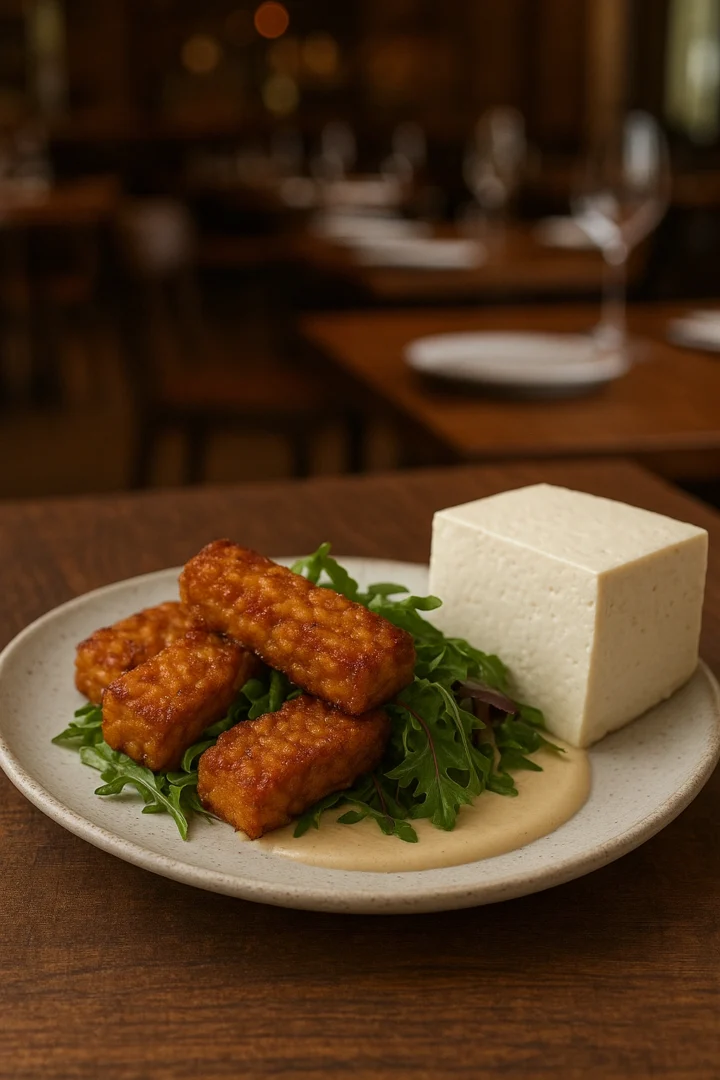
The tempeh origin traces back centuries in Java, showing how a humble soybean transformed into a staple of global cuisine. Understanding the tempeh origin gives insight into the ingenuity and resourcefulness of Javanese cooks. Every bite of this nutty, firm protein reflects the tempeh origin, a story of fermentation, culture, and flavor perfected over generations. By exploring the tempeh origin, you appreciate that this isn’t just a meat alternative—it’s a unique food with deep roots and a rich history.
Now that you know its story, you can explore other aspects of Javanese culture, from the beautiful art of handwriting to the complex world of Wayang theater.