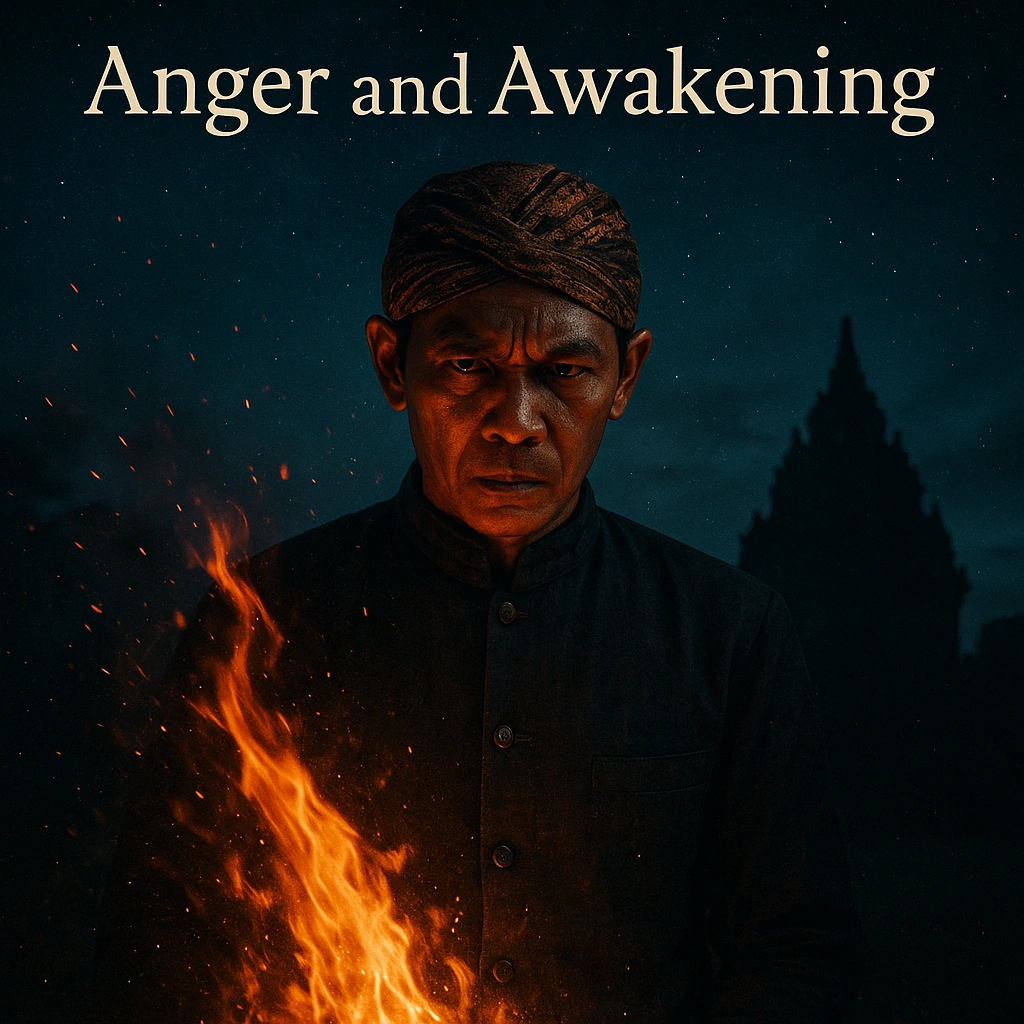
Wuku Mandhasiya
Igniting the Spirit Without Burning the Self
Angger, my child…
In this life, we are often faced with a choice: to be an ember that warms and illuminates, or to be a blaze that scorches and destroys. If you feel within you a burning passion, an unafraid courage, yet also sometimes struggle to control an overflow of emotion, then it is very possible your soul is being influenced by the energy of Wuku Mandhasiya.
This fourteenth wuku in the Javanese pawukon cycle is sheltered by Bethara Brama, the God of Fire. It is the personification of power, courage, and a blazing spirit. However, like fire itself, this energy requires control and wisdom so as not to become destructive. This is the profound wisdom on the meaning of Wuku Mandhasiya and how it colors one’s character according to the primbon.
A Closer Look at Bethara Brama – Between Power and Blazing Emotion
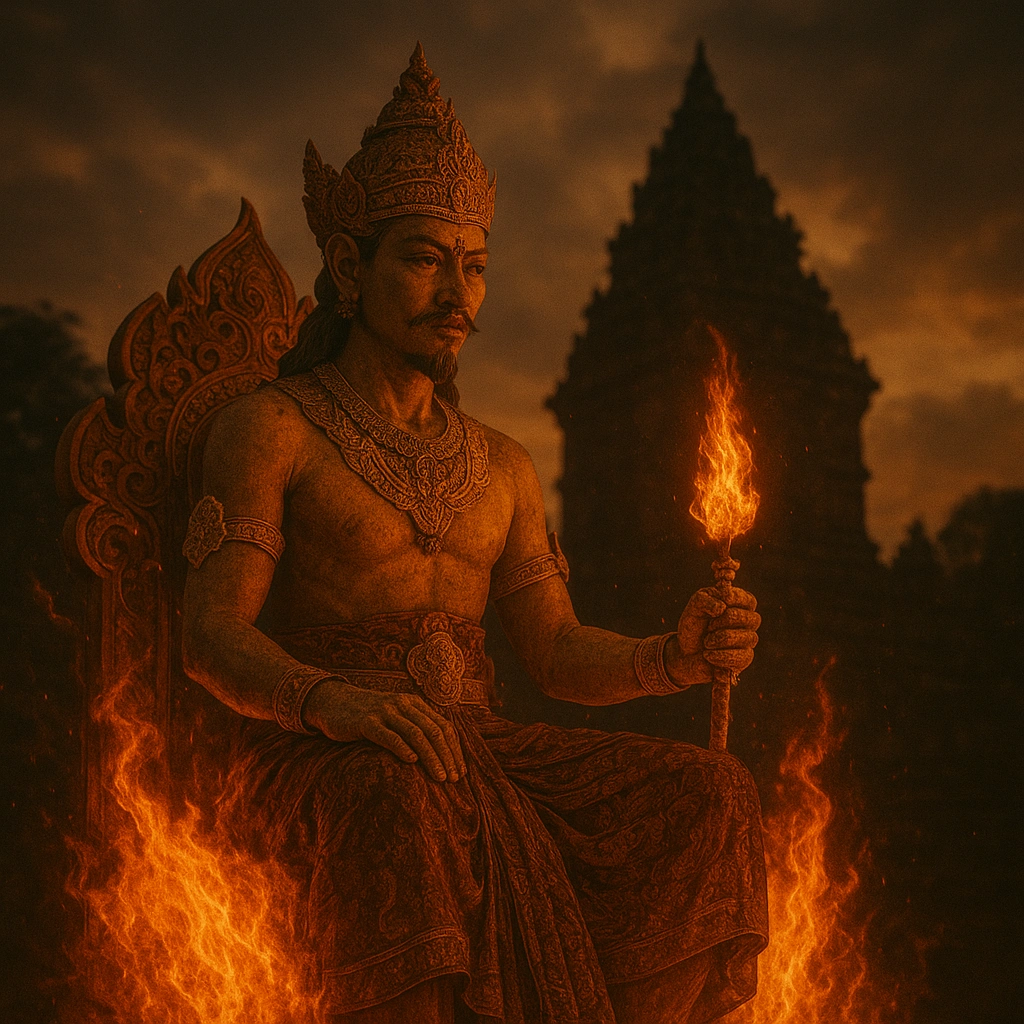
To fully understand the character of Wuku Mandhasiya, we must delve deeper into the figure of Bethara Brama. In the Javanese wayang tradition, Brama is one of the primary gods known for his formidable power. He is the creator god in the Trimurti, whose energy is symbolized by fire. Brama’s fire is not merely hot and burning; it also has the function of purification, transformation, and testing. It can smelt away all that is impure.
However, Brama’s character is depicted as complex. Behind his unmatched power, he is also known to have a high temper and is easily offended. Even a small mistake can trigger his wrath. The energy of Mandhasiya individuals is colored by this: the potential for extraordinary power and a burning spirit to achieve goals, but also a vulnerability to emotional outbursts if not managed well.
Reading the Symbols of the Mandhasiya Character
The unique characteristics of the Mandhasiya individual are etched in the symbols that shelter them:
Pohon Asam (The Tamarind Tree): Hidden Strength Behind Firmness
The Tamarind Tree, with its sturdy trunk, symbolizes the foundation of strength within the Mandhasiya individual. Though they may appear firm, even harsh on the outside, like the rough bark of the tamarind, within lies a steadfastness and the ability to be a refuge for others.
Burung Platuk Bawang (The Woodpecker): A Tireless Work Ethic
The woodpecker, with its habit of repeatedly pecking wood to find food, is a perfect representation of the Mandhasiya work ethic. They have extraordinary stamina and perseverance in pursuing what they want. However, this “pecking” nature can also translate into a tendency to be stubborn.
Gedhong di Depan Tertutup Pintunya (Closed Granary in Front)
This symbol has a dual meaning. It shows that Mandhasiya individuals are capable of managing wealth well. They are not wasteful. However, the closed door also symbolizes their tendency to keep their feelings and thoughts to themselves. They do not open up easily to others.
Finding the Career Dharma and Flow of Fortune for the ‘Fire’
With the energy of Bethara Brama flowing within them, Mandhasiya individuals will find success and abundance in fields that require leadership, courage in risk-taking, and a high fighting spirit. The Dharma of the Commander is their soul’s calling. Professions highly suited for them include: the military and police, professional athletes, surgeons, litigation lawyers, corporate leaders, and entrepreneurs who dare to take risks.
Managing the ‘Fang’s Bite’: Aral and Spiritual Practice
The main obstacle (Aral) for Mandhasiya individuals is “kena gigitan taring” (being bitten by a fang). This is a warning of danger that comes from suppressed anger, sudden explosive conflicts, or hurt caused by those closest to them. Their sometimes impulsive nature and sharp words when angry can wound others, which can ultimately backfire and hurt themselves.
To balance the fire energy of Bethara Brama, the recommended charity is two portions of nasi ambeng (a communal rice dish) with a main course of red chicken, symbolizing courage. Through this charity, it is hoped that the Mandhasiya individual can temper the negative side of the “fire” within them. The prayer to be recited is “Slamet,” asking for protection and safety.
Romance of the ‘Fire’: Seeking a Balanced Partner
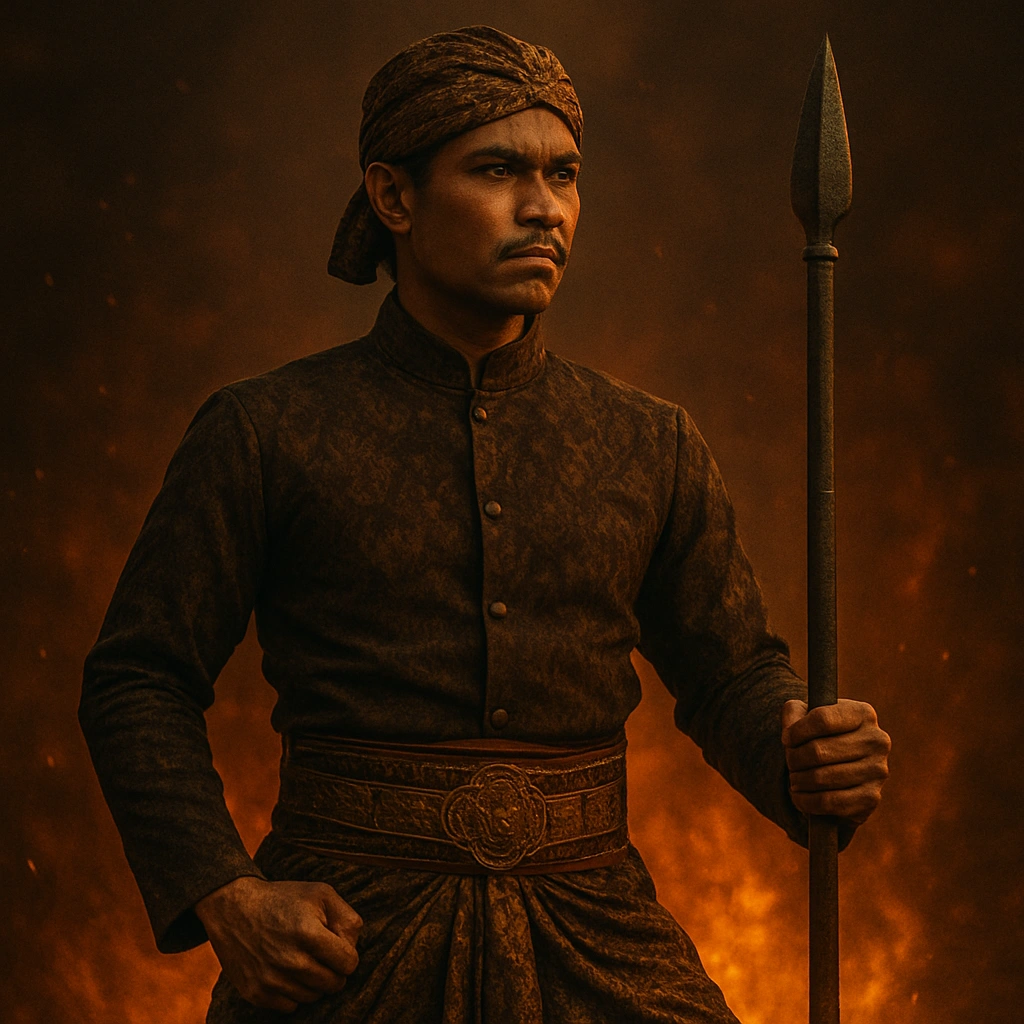
In matters of romance, Mandhasiya individuals need a partner who can understand their complex nature. Their love is shown through tangible actions, like unwavering protection and loyalty. Their ideal partner is someone who has equal strength of character, is independent, and is not easily burned by their emotional “fire.” Honest and open communication is the key to building a lasting relationship with them.
The 7 Faces of Mandhasiya – The Blend with Weton
The combination of Wuku Mandhasiya with the seven different weton will produce more specific characteristics:
Minggu Pon: The strength of Mandhasiya meets the wisdom of Pon, producing a brave leader who also considers all risks.
Senin Wage: The spirit of Mandhasiya blends with the meticulousness of Wage, creating a perfectionistic and unyielding hard worker.
Selasa Kliwon: The energy of Mandhasiya meets the strong intuition of Kliwon, resulting in someone who bravely makes decisions based on sharp instincts.
Rabu Legi: The firmness of Mandhasiya is combined with the gentleness of Legi, creating a strong yet loving protector.
Kamis Pahing: This is a “double fire” combination, producing a very ambitious and passionate individual who must be careful not to be consumed by their own anger.
Jumat Pon: The strength of Mandhasiya meets the charm of Jumat Pon, creating a charismatic leader who can influence others.
Sabtu Wage: The spirit of Mandhasiya meets the independence of Sabtu Wage, resulting in an individual who is very firm in their principles.
Controlling the Fire for Good
Angger, my child… Wuku Mandhasiya is a reminder that power without control is like a boundless fire that will scorch everything. However, if you can tame the “fire” within you and direct it wisely, it will become an invaluable source of energy. Be like Bethara Brama who can use fire to forge, purify, and create. Do not let your anger burn you from within. Control the “fire” of Mandhasiya within you to achieve noble goals and benefit others.