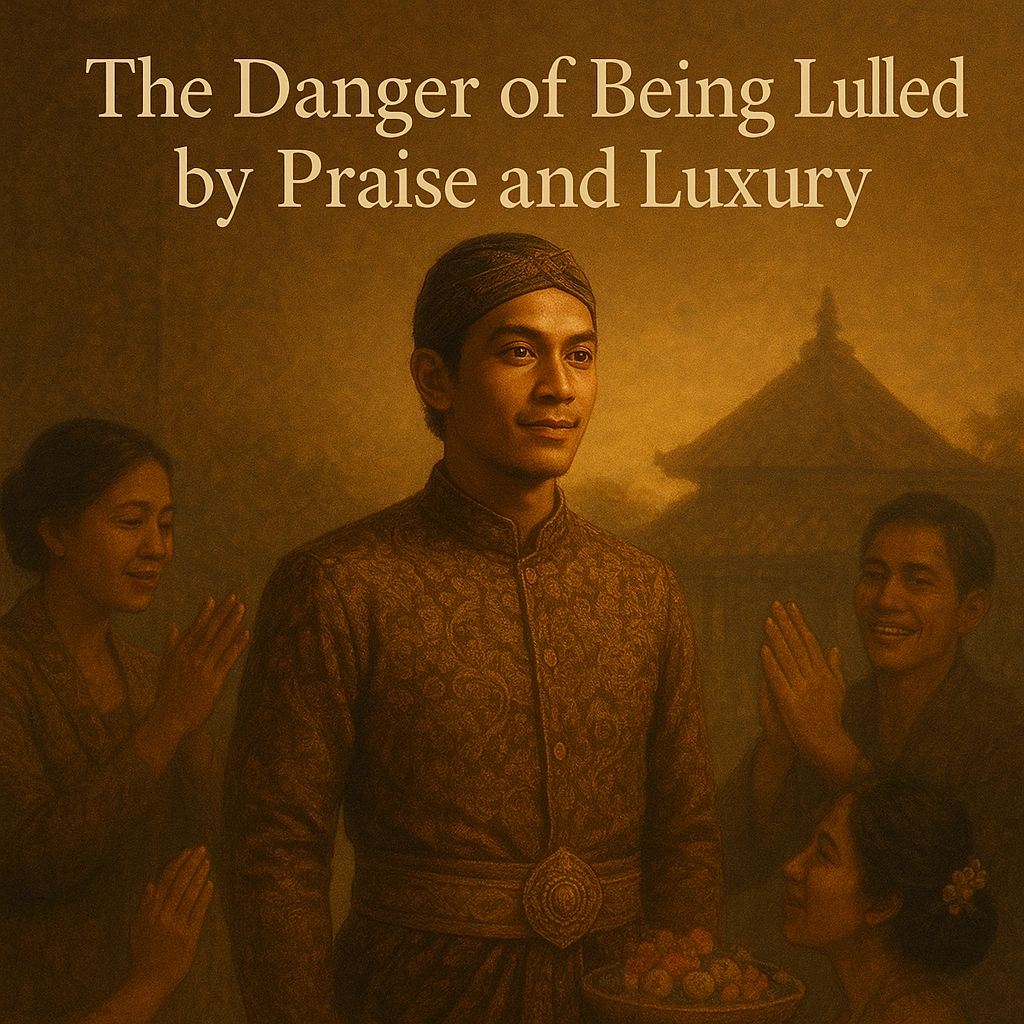
Wuku Marakeh: Earthly Allure, A Sacred Trust
Angger, anakku (My child)…
In our journey tracing the 30 “climates of the soul” within the great pawukon (the traditional Javanese calendar system, a 210-day cycle), we arrive at the eighteenth gateway. This is a realm shimmering with brilliance, charm, and the profound allure of the earthly plane: Wuku Marakeh (a specific seven-day period within the 210-day pawukon cycle, comprising 30 wuku in total). This wuku (seven-day period) is under the benevolent gaze of Bethara Surenggana (a deity in Javanese mythology, often associated with beauty, charm, but also fragility), the most handsome and intelligent of gods, yet also the most tender-hearted.
The energy of this wuku is one of captivating magnetism, an inclination towards worldly splendor, and innate social grace. However, beneath its radiant surface lies a profound test: the vulnerability of the heart and the aral (hindrance or obstacle) of being “dianiaya” (persecuted or mistreated) due to envy. This is a comprehensive wejangan (Javanese advice or spiritual teaching) on the essence of Wuku Marakeh and its influence on one’s birth nature according to primbon jawa (Javanese divination manual or book of ancient wisdom, often used for interpreting omens and determining auspicious times).
Embracing Bethara Surenggana, The Deity of Tender Heart
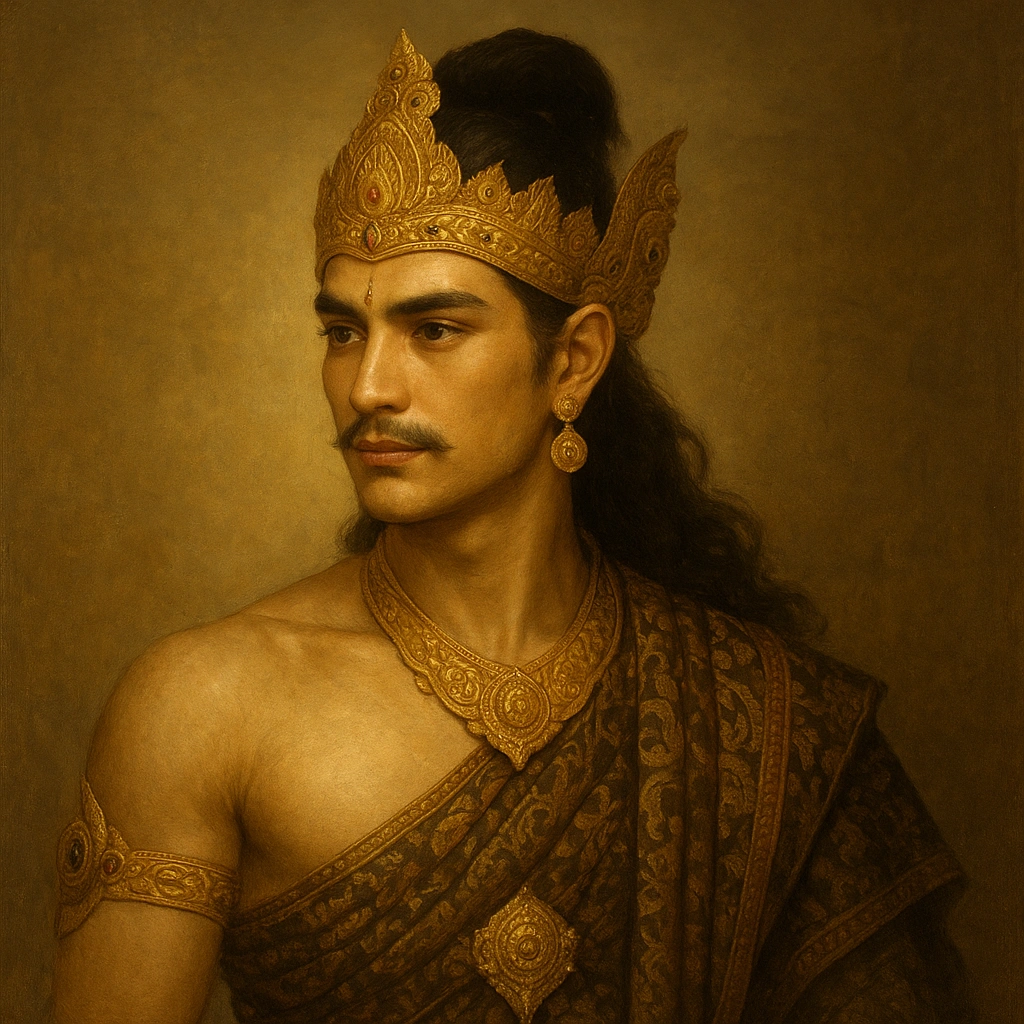
To truly grasp the spirit of Wuku Marakeh, we must first understand its guiding deity. Bethara Surenggana is revered as a god of profound intellect, captivating beauty, and an enchanting aura. He is often depicted as the bearer of worldly charms and delights, akin to the celestial Gandharvas or heavenly nymphs. Yet, conversely, he is also susceptible to persuasion and possesses a delicate heart. He embodies the inclination to yield to desires if not anchored by unwavering resolve. This very energy flows into those born under Marakeh: they are gifted with allure and intelligence to attain worldly success, yet they also carry the susceptibility to falter due to flattery and the enticements of luxury.
Unveiling the Character of Those Born in Wuku Marakeh
The ancient wuku and wewaran (Javanese calendrical calculations) systems paint a vivid portrait of the Marakeh individual through unique symbols, rich with duality:
Pohon Trengguli: Enchantment with Modest Resolve
The Pohon Trengguli (Golden Shower Tree) possesses an appealing and delightful appearance, yet its wood is not exceptionally strong. This symbolizes the Marakeh personality: they are profoundly captivating on the surface, but often prove less dependable for arduous tasks or lengthy journeys. Their fighting spirit may be tempered, often choosing the comfort of familiarity over confronting adversity.
Umbul-umbul Terbalik: Good Intentions Misunderstood
This symbol speaks to a misalignment between intention and action. Individuals of Marakeh often harbor noble intentions, yet their manner of expression or their actions are perceived differently (reversed) by others, frequently mistaken for ostentation or insincerity. Their nature can also be somewhat unstable, prone to acting contrary to prevailing norms.
Gedhong Disunggi: Pride in Attainment
Disunggi means to be carried upon the head, displayed. This illustrates a character inclined to take pride in their accomplishments. They enjoy showcasing their possessions, not merely from arrogance, but more from a deep yearning for acknowledgment and appreciation from their surroundings.
Marakeh Damar Agung Marapit & Brana Sempal: Light Amidst Fragility
Herein lies the profound blessing. Damar Agung Marapit (a Javanese metaphorical expression, referring to a bright, sharp memory or inner light) signifies a keen and powerful memory, a brightly burning lamp within. Meanwhile, Brana Sempal (a Javanese metaphorical expression, meaning “cracked jewelry,” symbolizing inherent worth despite challenges) portrays a spirit that remains valuable and luminous, even when navigating life’s numerous trials, difficulties, or “cracks.”
The Dharma of Career & The Flow of Abundance for the Alluring Soul
With their captivating nature and social acuity, Marakeh individuals will find the “gates of fortune” wide open when embracing the Dharma Sang Pencipta (literally “Duty of the Creator,” referring to roles related to creativity, arts, and lifestyle) and the Dharma Sang Panglima (literally “Duty of the Commander,” referring to roles requiring leadership and social charm).
They will shine brightest as: artists, celebrities, social media influencers, hosts (MC), brand ambassadors, models, or politicians who leverage their natural charisma. They are also well-suited for the luxury goods sales sector or the hospitality industry. Their prosperity flows abundantly when they become the center of attention and are valued for their engaging presence.
The Love Life of the Stage Star
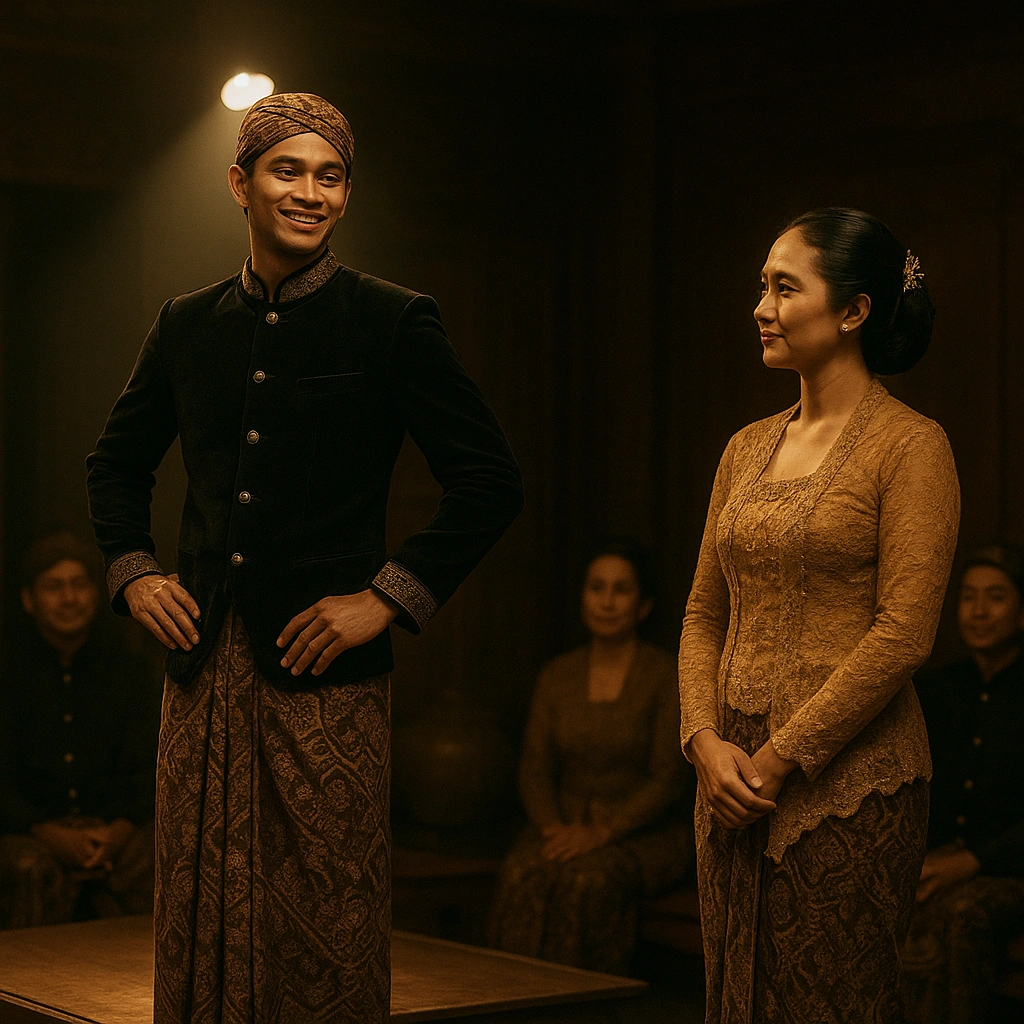
In the Javanese calculations for marriage, the Marakeh disposition—fond of being in the spotlight and possessing a sensitive heart—requires a very specific partner. They yearn for a companion who can be their “number one fan,” someone who never tires of offering praise and validation. However, they also need a partner who is deeply mature and not prone to jealousy, one who can truly understand that the inherent charm of the Marakeh individual will always draw the attention of others. Their relationships are susceptible to conflicts stemming from misunderstandings and envy.
Aral & Laku Spiritual – The Test of Envy
Aral (Hindrance): “Dianiaya” (Persecuted or mistreated)
Their greatest challenge is the experience of physical or emotional persecution. Why? Because their charm and worldly success, often showcased (`Gedhong Disunggi`), can too easily ignite envy and jealousy in others, which may then escalate into slander or harmful actions.
Laku Spiritual (Javanese spiritual practice or discipline) & Sedekah (charitable giving or offering):
To fortify themselves against this energy of envy, the recommended sedekah is Nasi Gurih (fragrant coconut rice) with fish as a side dish on a leaf, accompanied by five types of vegetables. The complete Nasi Gurih meal and its full array of accompaniments symbolize prosperity that is shared, not merely enjoyed in solitude. The prayer offered is the Doa Tulak Bilahi (a prayer in Javanese tradition, specifically for warding off harm or misfortune), seeking protection from all dangers.
Auspicious Days and Prohibitions under the Deity of Charm
Within Wuku Marakeh, the prevailing energy strongly supports endeavors of growth and construction. These are propitious days for planting rice, repairing homes, and tending to gardens.
However, these are not ideal days for casual work, embarking on serious romantic relationships (as they are vulnerable to temptation), or moving to new places, given the inherent energy of settling and enjoying comfort.
The 7 Faces of Marakeh – A Blend with Weton
Of course, understanding one’s wuku of birth and its impact becomes complete when harmonized with their weton (Javanese birth calculation system based on the combination of seven days of the week with five Javanese market days). Utilize a weton checker to discover your specific combination. Here are 7 distinct “faces” of Wuku Marakeh:
- Weton Minggu Legi
- Weton Senin Pahing
- Weton Selasa Pon
- Weton Rabu Wage
- Weton Kamis Kliwon
- Weton Jumat Legi
- Weton Sabtu Pahing
Charm as a Sacred Trust, Not Arrogance
Angger, anakku…
Wuku Marakeh is a wejangan about the radiance of the world. It teaches that intelligence, charm, and the ability to capture attention are magnificent blessings. Yet, every blessing is a sacred trust. To truly embody the Marakeh spirit means learning to wield one’s charm not for vanity, but to spread joy. To use one’s intellect not to deceive, but to illuminate. And to use one’s wealth not for ostentation, but for sharing.
Understand Your Character and Inner Map More Deeply
Discover precisely which Wuku presides over you and how it intertwines with your Weton to form a complete Inner Map.
FAQ about Wuku Marakeh
1. What is Wuku Marakeh in the Javanese calendar?
Wuku Marakeh is the 18th cycle in the 210-day Javanese pawukon system. It represents charm, beauty, intelligence, and worldly allure, but also carries the test of envy and emotional vulnerability.
2. Who is the deity of Wuku Marakeh?
The guiding deity is Bethara Surenggana, a handsome and intelligent god known for his charm and tender heart, symbolizing both brilliance and fragility.
3. What are the traits of people born in Wuku Marakeh?
Individuals are usually attractive, intelligent, and socially magnetic. They thrive in artistic, leadership, and public-facing roles but may face challenges from jealousy or misunderstandings.
4. What careers suit Wuku Marakeh individuals?
They excel in careers that highlight charisma and creativity, such as artists, influencers, entertainers, politicians, and hospitality or luxury-related fields.
5. What is the spiritual lesson of Wuku Marakeh?
The main lesson is to treat charm and intelligence as a sacred trust—to share joy, inspire others, and avoid arrogance or vanity.
About the Author
This wejangan is presented by Ky Tutur—a symbolic figure embodying noble Javanese values such as wisdom, simplicity, and compassion. These writings are compiled by the KaweruhJawa.com team, comprising cultural researchers, academics, and spiritual practitioners dedicated to preserving and translating profound Javanese kaweruh (Javanese traditional knowledge or wisdom) into a language relevant for contemporary generations.
We believe that ancestral heritage is not merely a relic of the past, but also a living compass for life. Every article is crafted through meticulous research, intergenerational discussions, and deep contemplation, ensuring the accuracy and nobility of the values contained within.