
Wuku Sinta
The Gate of Justice and Inner Serenity
Bethara Yamadipati: The Supreme Judge of Inner Balance
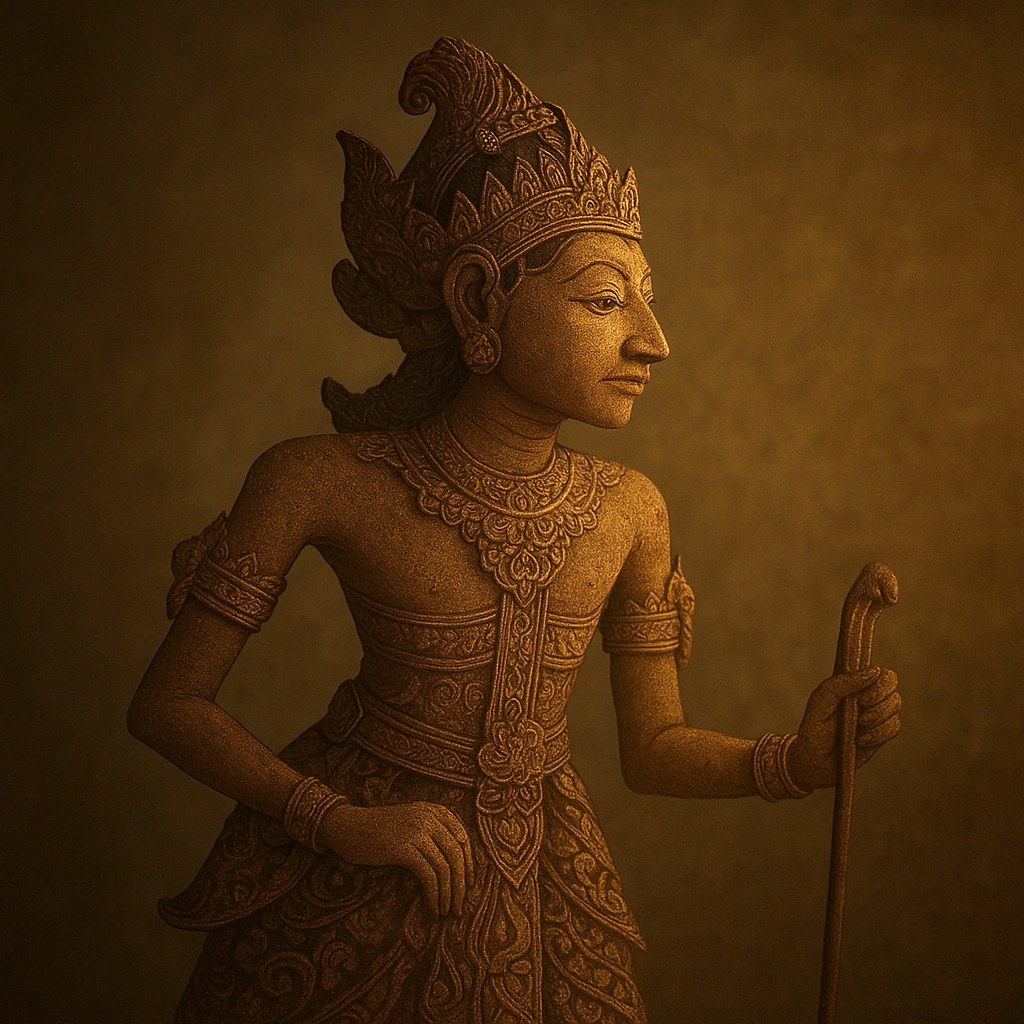
To understand the soul of Wuku Sinta, we must first know the Betara who shelters it: Bethara Yamadipati. In the Javanese pantheon, he is not a fearsome figure but the personification of absolute cosmic justice. He is the Supreme Judge, the guardian of the gate between life and death whose duty is to weigh every human deed with scales that are never wrong.
His nature is just, wise, and firm, yet calm and unaffected by emotional turmoil. This “judicial” energy flows strongly within those born under the protection of Wuku Sinta. They are blessed with extraordinary inner calm and the ability to see things from multiple perspectives before making a decision. Like a wise judge, they rarely show anger, yet in their silence lies a conviction as solid as a mountain.
Dissecting the Characteristics of a Sinta Birth
Each wuku has a set of symbols that paint a detailed portrait of its innate character. For Wuku Sinta, these symbols reinforce its image as the guardian of balance.
Pohon Gendhayakan: Shade Amidst Hardship
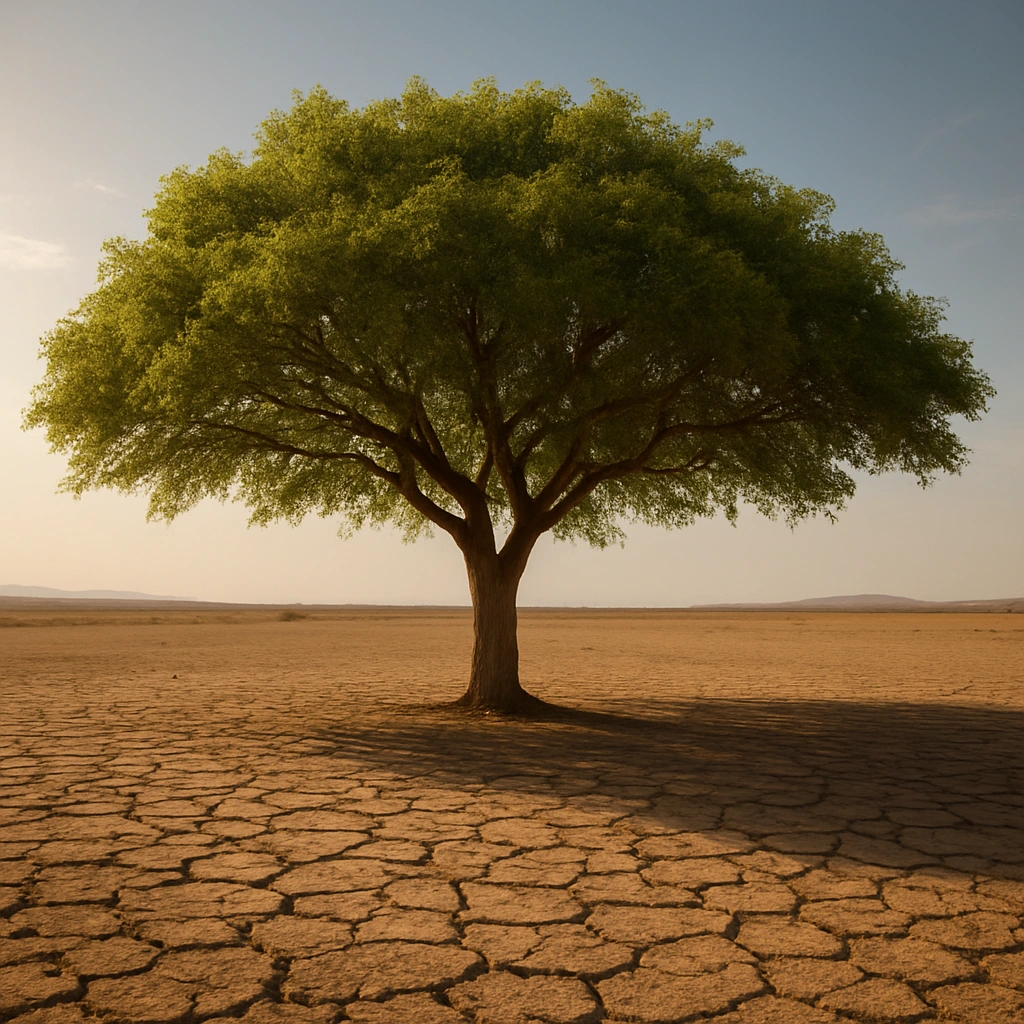
This tree is known for its ability to survive in arid lands yet still provide cool shade. This metaphor powerfully describes the Sinta personality. They are individuals of incredible fortitude who become a source of strength and tranquility for those around them, an “oasis” in the desert.
Burung Gagak (The Crow): Symbol of Intuition
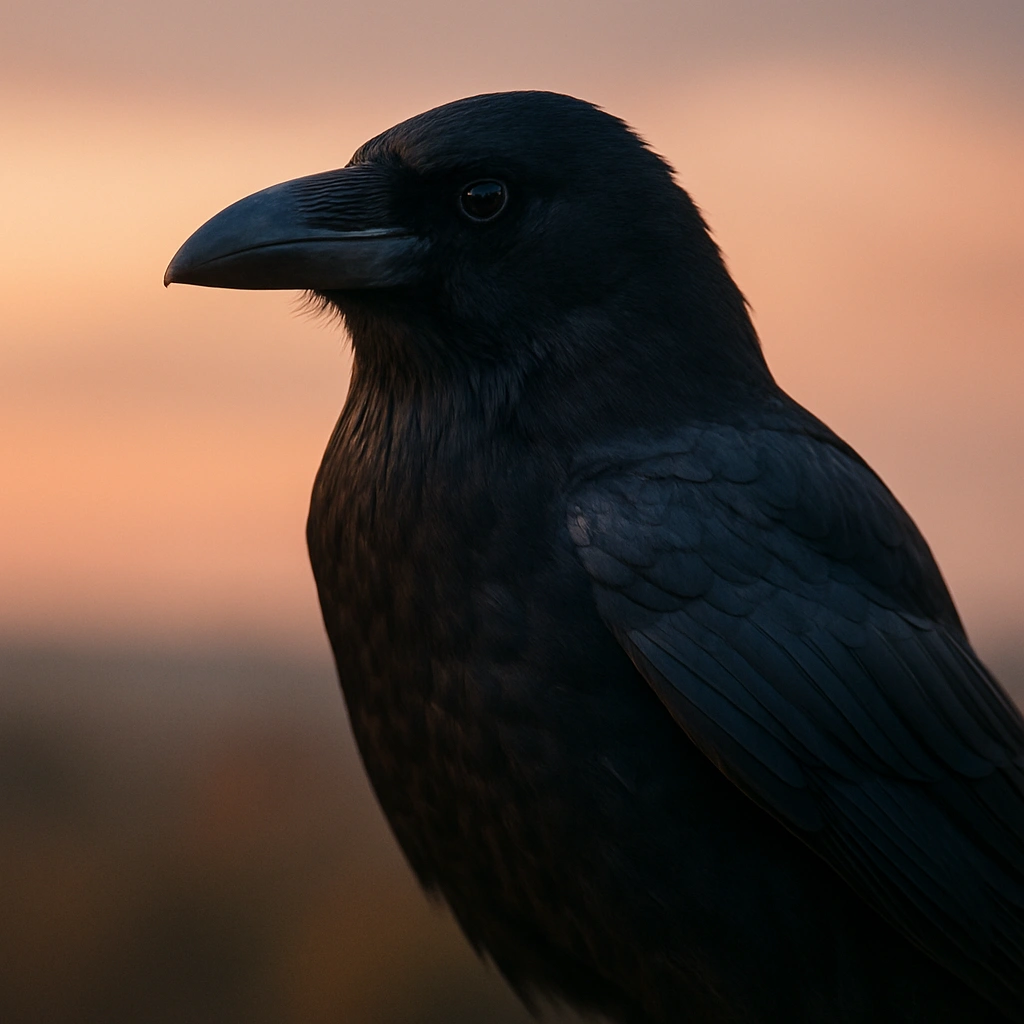
In Javanese philosophy, the crow symbolizes vigilance and spiritual awareness. It signifies that Sinta individuals are blessed with sharp intuition. They can “hear” the unspoken and “see” the hidden, making them difficult to deceive.
Gedhong di Depan (Granary in Front)
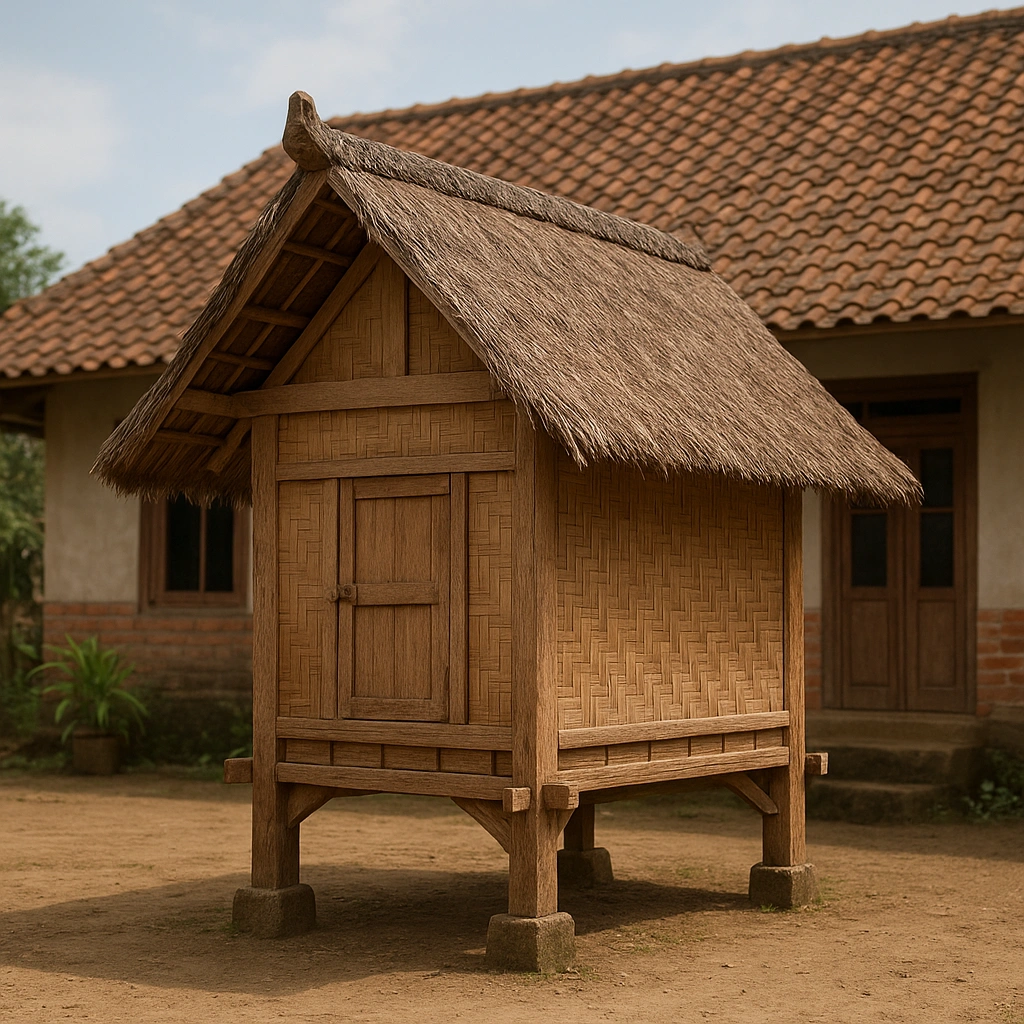
This symbolizes openness and transparency. A Sinta person is not adept at pretense. What is in their heart and mind is what they show. This “what you see is what you get” nature makes them highly trustworthy, though it can also be a vulnerability.
Amandhi Umbul-umbul (Bearing Banners)
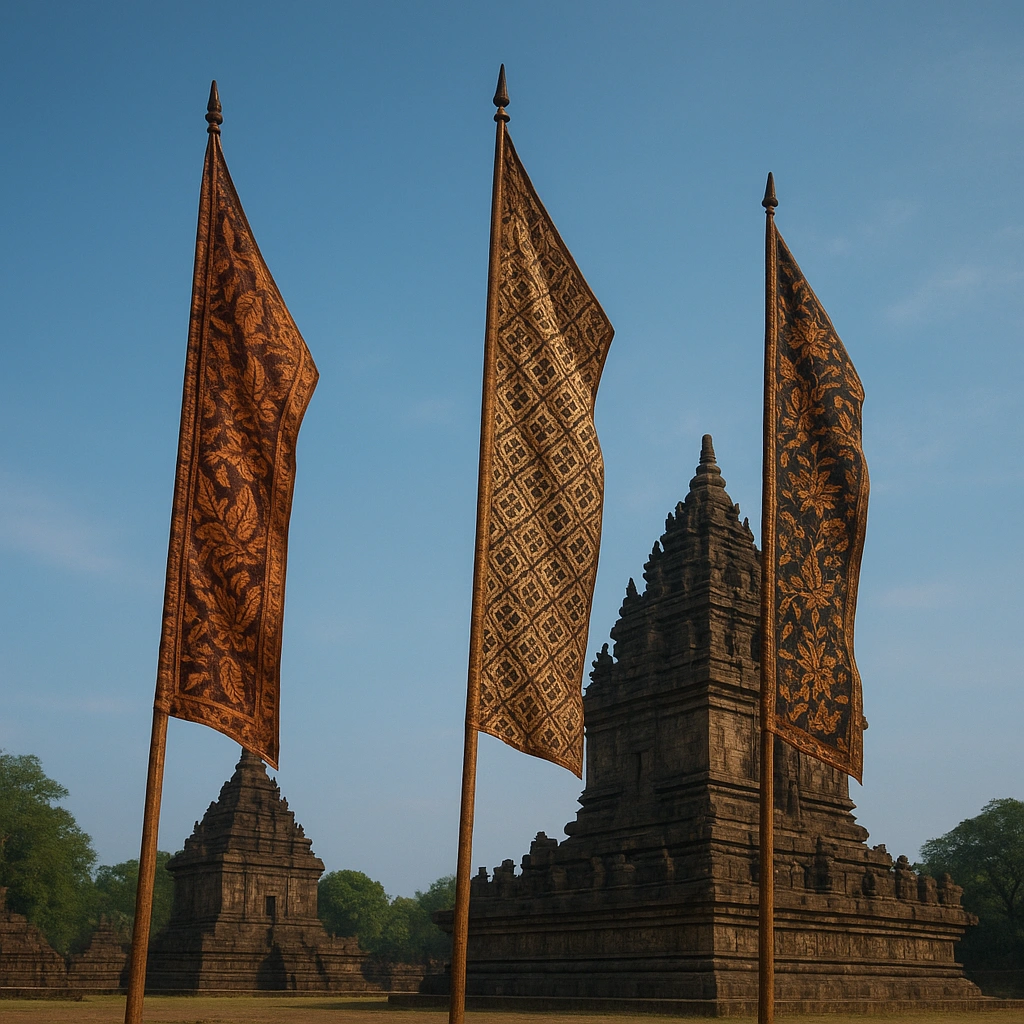
This symbol depicts the duality of their life path. They naturally exude an aura of leadership. However, the high-flying banners are also a stern warning against arrogance. Their greatest challenge is to lead with a spirit of service, not for praise.
“Therefore, train your sensitivity, Ngger. For the universe’s signs often come not as a roar of thunder, but as the whisper of a crow at dusk.”
Aral and Laku: Harmonizing the Sinta Energy
Each wuku has its own aral (potential life obstacle). For Wuku Sinta, the obstacle comes not from without, but from within.
The Main Obstacle: A Lack of Generosity
The greatest hurdle for a Sinta person is a tendency towards stinginess. In Javanese philosophy, fortune (rezeki) is an energy that must flow. When one hoards it, the natural cycle is disrupted. The path to prosperity for a Sinta person opens wide when they open their hands to give.
The Balancing Ritual: Charity and Prayer
To repel this obstacle, ancestors passed down a balancing ritual (laku). The prescribed charity involves specific food items symbolizing prosperity and sincere sacrifice. This ritual, accompanied by a specific prayer, serves as a spiritual affirmation to ward off misfortune.
Guidance During the 7-Day Cycle of Wuku Sinta
Auspicious Activities (✅)
This period is excellent for healing activities, both physical and emotional. Acting as a peacemaker or helping others with relationship matters aligns perfectly with the balancing energy of Bethara Yamadipati.
Inauspicious Activities (❌)
It is not a favorable time for planting or starting new ventures that involve expansion. The energy of Wuku Sinta is more introspective, focused on nurturing what already exists.
Weton and Wuku Sinta: The 7 Unique Blends
Understanding both weton and wuku is key to a complete picture. Here are the 7 weton combinations during the Sinta cycle:
Minggu Pahing
Senin Pon
Selasa Wage
Rabu Kliwon
Kamis Legi
Jumat Pahing
Sabtu Pon
While all are under the calm influence of Sinta, the market day adds a unique “color.” For example, a Minggu Pahing birth combines Sinta’s tranquility with the fiery spirit of Pahing, creating a calm person with a burning fighting spirit within.
FAQ About Wuku Sinta
Q: What is Wuku Sinta in Javanese astrology?
A: Wuku Sinta is the first cycle in the Javanese pawukon calendar. It symbolizes justice, balance, and inner serenity, guided by Bethara Yamadipati as the Supreme Judge.
Q: What are the main symbols of Wuku Sinta?
A: The key symbols are Pohon Gendhayakan (resilience and shelter), Burung Gagak (intuition), Gedhong di Depan (openness), and Amandhi Umbul-umbul (leadership with humility).
Q: What is the obstacle for people born in Wuku Sinta?
A: The main obstacle is a tendency toward stinginess. Balance is restored through generosity, charity, and sincere prayer.
Q: Which activities are auspicious during Wuku Sinta?
A: Healing, peacemaking, and nurturing existing relationships or projects are favored. It is not ideal for starting large new ventures.
Q: How does weton influence Wuku Sinta?
A: Each weton combination within Wuku Sinta creates a unique character blend. For example, Minggu Pahing adds fiery energy to Sinta’s calm nature.
Curious About Your Unique Combination?
The analysis above is for Wuku Sinta in general. But what happens when Sinta’s calm energy meets the ‘fire’ nature of the Pahing market day? Use our calculator to see your personal analysis.