Wuku Sungsang
The Gate of Wisdom and Obstacles
Angger, my child…
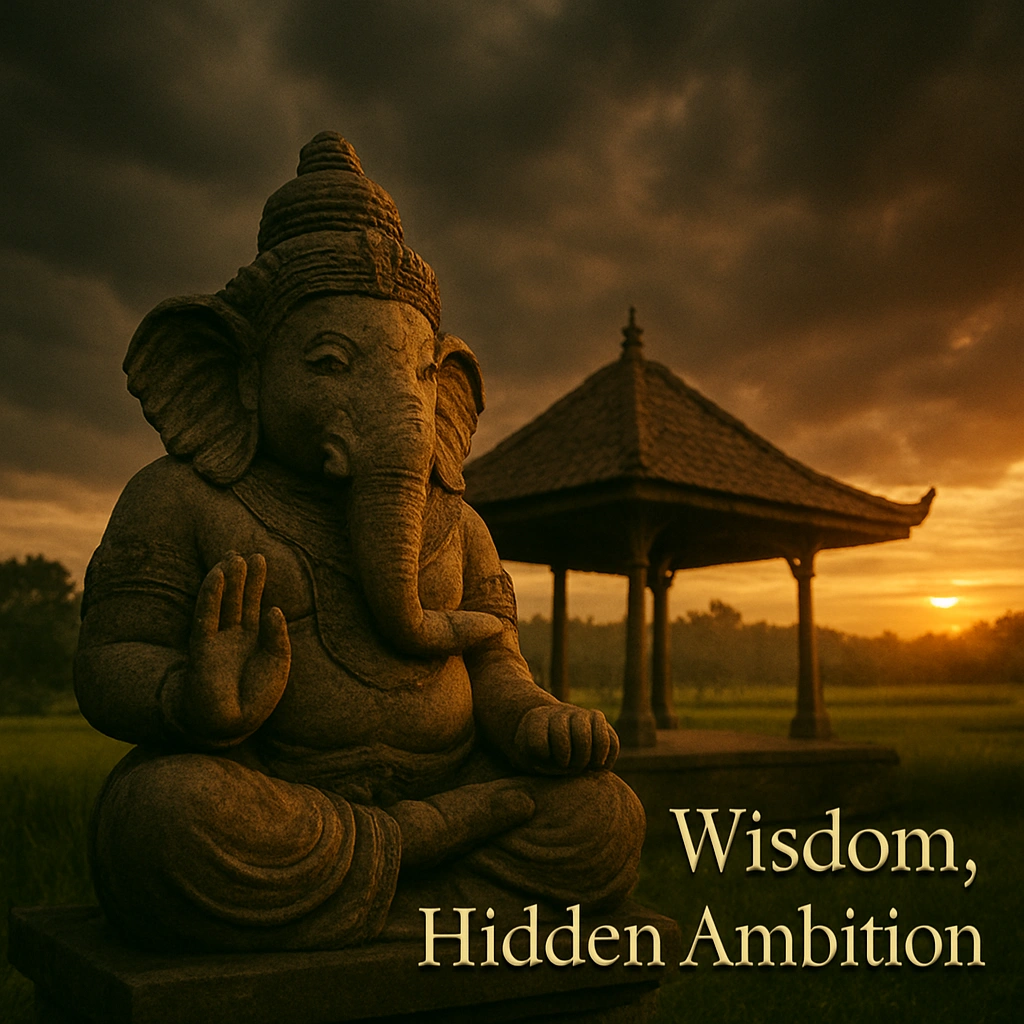
In our journey through the 30 “soul climates” of the Javanese pawukon cycle, we arrive at the tenth gate, guarded by a highly respected figure: Wuku Sungsang. This wuku is sheltered by the Protector of Knowledge, the Remover of All Obstacles, Bethara Gana (Ganesha).
The energy of Wuku Sungsang is one of wisdom, patience, and intellectual strength. However, behind its noble image lies a fascinating duality: a character that loves to help yet also harbors ambition, and an “aral” or obstacle of “being struck by iron.” What is the true meaning of Wuku Sungsang? And how does this birth character, according to the primbon, shape a person’s life path? Let us dissect it together.
Understanding Bethara Gana, the Commander of the Gate of Knowledge
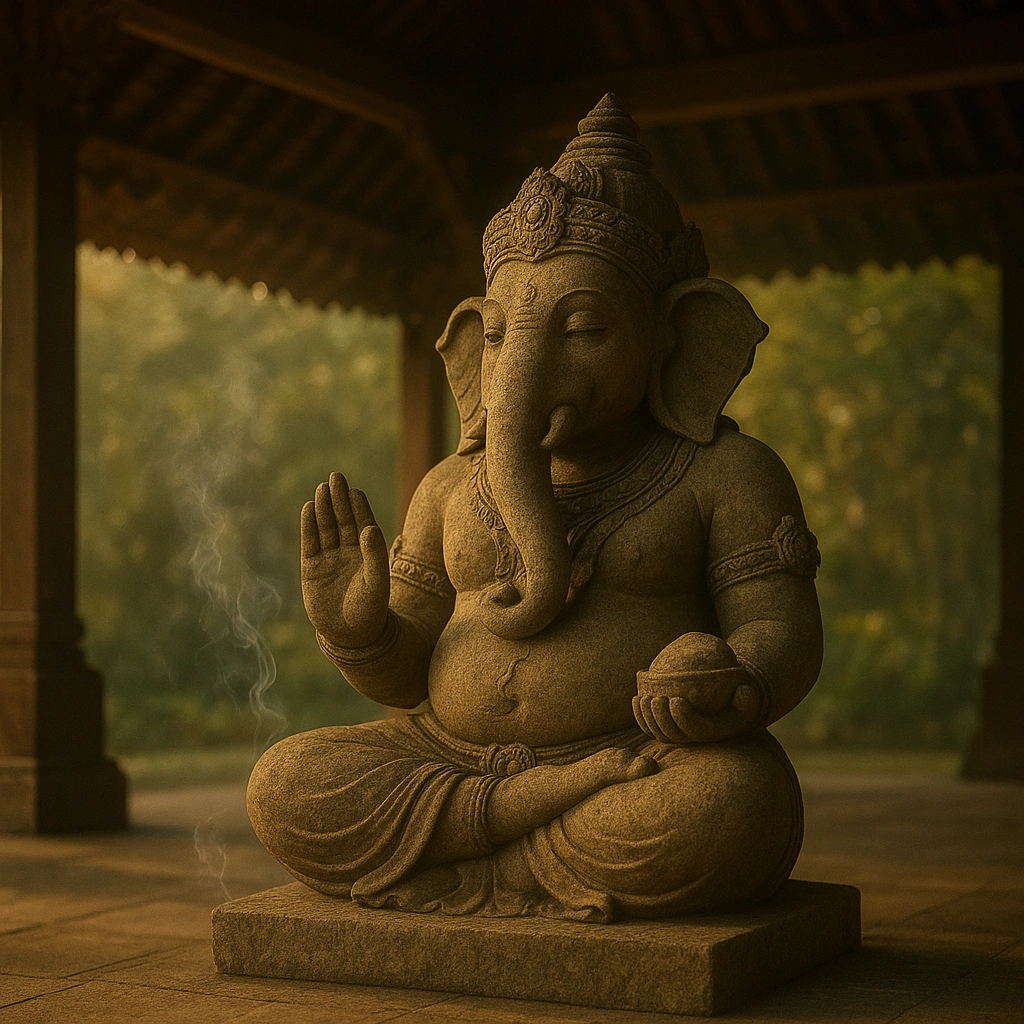
To understand the soul of Wuku Sungsang, we must know its guardian deity. Bethara Gana, son of Bethara Guru and Dewi Uma, is known for his elephant-headed form. This is not merely a physical appearance but a symbol of exceptionalism and extraordinary mental power. Though he may seem large and slow, He possesses a brilliant mind, a strong memory, and sharp inner acuity.
In Javanese cosmology, Bethara Gana is the commander who guards the gate of knowledge. He is the emblem that to achieve true wisdom, one must have loyalty, patience, and a willingness to help others. However, like a calm elephant that can erupt in a terrifying rage if disturbed, so too are Sungsang individuals. Behind their tranquility lies a great potential for anger if their principles or those they protect are harmed.
A Thorough Analysis of the Sungsang Birth Character
The Javanese wuku calculation system paints a portrait of the Sungsang individual through three primary symbols that depict their inner duality:
Pohon Tangan (The Hand Tree): The Magical Protective Instinct
The Hand Tree symbolizes a character with a very strong instinct to protect and help. They are the “tree” under which others take shelter. Sungsang individuals are spiritually resilient and often possess a “magical” or charismatic aura that is difficult to explain logically, making others feel safe in their presence.
Burung Nori (The Nori Bird): Beautiful Charm, Hidden Ambition
Herein lies the duality. The Nori bird reflects a person who, on the outside, appears very kind, sociable, and generous. However, in their heart, they harbor hidden ambition and sometimes greed. This does not mean they are malicious, Angger. It is a sign that they have a strong desire for success and recognition, but sometimes the way they show it is not in harmony with their generous exterior.
Sungsang Mega Mendhung (Overcast Clouds): The Storm Within
This symbol represents someone who is easily swayed by their own inner atmosphere and thoughts. Outwardly, they may appear calm like Bethara Gana sitting silently, but inside, their mind is often turbulent like “overcast clouds” ready to become a storm. They need to consciously learn to calm themselves, unravel their thoughts, and not be easily carried away by the winds of doubt or emotion.
The “Struck by Iron” Aral and its Spiritual Practice
Aral (Obstacle): Beware of Sharp Things
The main obstacle for Sungsang individuals is “being struck by iron.” This is a warning to be more vigilant about sharp things, both physically and emotionally. Physically, it could mean being careful when using sharp tools. Philosophically, “sharp iron” is a metaphor for hurtful words, slander, and betrayal. Because of their helpful and calm nature, they sometimes become easy targets for sharp-tongued people.
Spiritual Practice & Charity
To repel the misfortune of “sharp iron,” a very complete charity is recommended: steamed rice with both chicken and duck cooked freely, and a salad of nine kinds of leaves. The completeness of the side dishes is a symbol of a request for comprehensive protection. The prayer to be recited is the Slamet Kabul, asking that all good intentions be realized and protected from all dangers.
Auspicious Days and Prohibitions Under Bethara Gana’s Protection
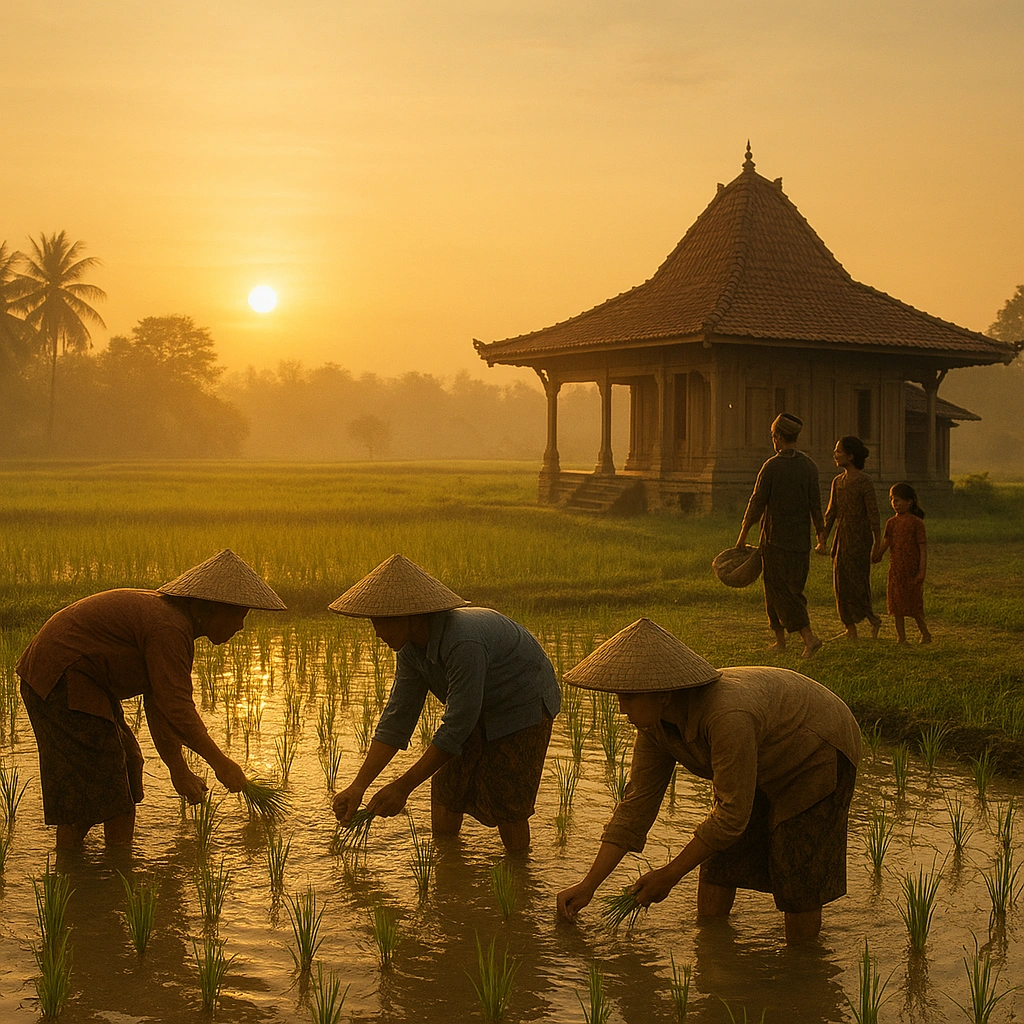
Understanding the meaning of a Javanese wuku also means knowing when the universe’s energy is in harmony with us. During the 7-day cycle of Wuku Sungsang, the natural energy is very supportive for:
- Seeking livelihood and starting a business.
- Moving to a new place or residence.
- Planting or farming.
The “obstacle-removing” energy of Bethara Gana makes this an opportune time to start something new and build a foundation. However, it is not a good time for climbing or cutting down trees (symbols of unnecessary destructive acts) or for aimless amusement.
The 7 Faces of Sungsang – The Blend with Weton
Of course, understanding the wuku‘s impact becomes complete when combined with the weton. Here are the 7 different “faces” of Wuku Sungsang:
Minggu Kliwon
Senin Legi
Selasa Pahing
Rabu Pon
Kamis Wage
Jumat Kliwon
Sabtu Legi
Each combination is unique. A Minggu Kliwon birth under the protection of Sungsang, for example, will have the wisdom of Gana combined with the spiritual aura and natural leadership of Minggu Kliwon, creating a very powerful spiritual advisor.
FAQ about Wuku Sungsang
What is Wuku Sungsang?
Wuku Sungsang is the 10th wuku in the Javanese pawukon cycle, symbolizing wisdom, patience, and intellectual strength.
Who is the guardian deity of Wuku Sungsang?
The guardian is Bethara Gana (Ganesha), the remover of obstacles and protector of knowledge.
What are the traits of people born in Wuku Sungsang?
They are protective, wise, generous, and resilient, but may also hide ambition and struggle with inner emotional storms.
What challenges do Sungsang individuals face?
Their main obstacle is being “struck by iron,” symbolizing both physical risks with sharp objects and emotional wounds from slander or betrayal.
Is Wuku Sungsang auspicious for starting something new?
Yes, it is favorable for livelihood, business, moving houses, and farming, but inauspicious for climbing trees, cutting down trees, or idle amusements.
Understand your character and self map more deeply
Angger, Wuku Sungsang is a lesson about protective wisdom. It teaches that the greatest strength is not physical, but the power of the mind, patience, and the ability to remove obstacles, both outside and within ourselves. To be a true Sungsang individual means learning to become “Ganesha” for one’s own life: using intelligence to open paths, using patience to face problems, and using strength to protect the weak.